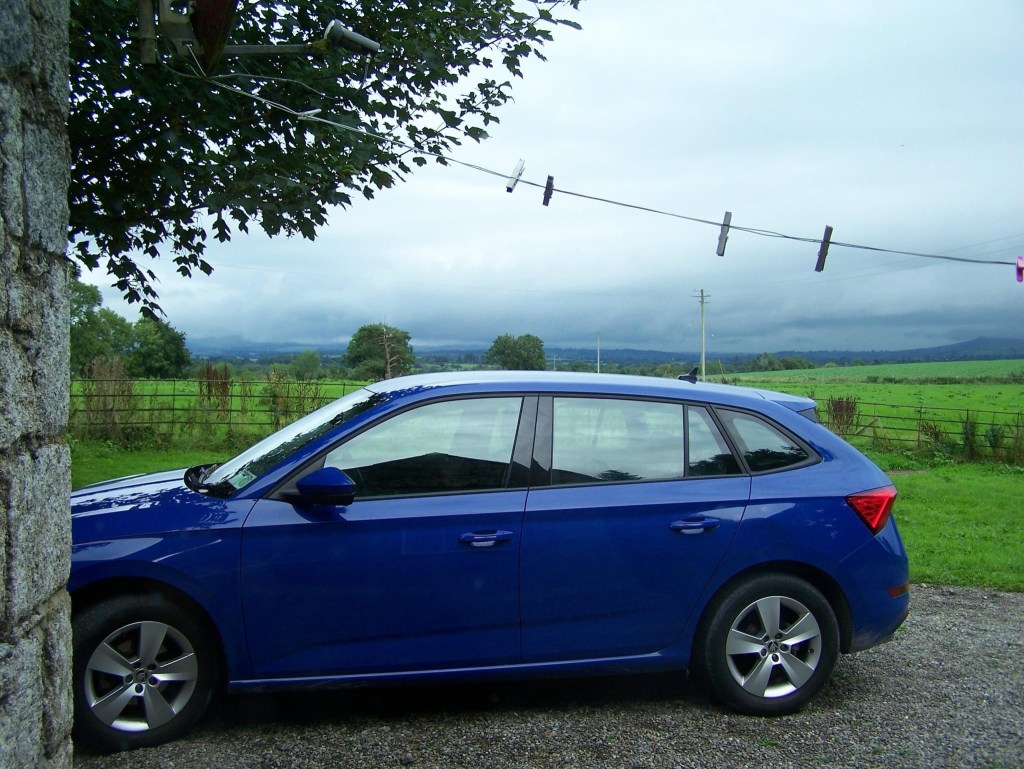
“Hands on the wheel. Eyes on the road. Don’t overdrive your abilities.” I’ve had plenty of driving under my belt, and yet I still remember my parents advice from when I was learning to drive. (This is because Dad still gives advice from the passenger seat when I drive him anywhere, even though I have been driving successfully for decades. He’s even convinced my husband to join in the fun.) Despite years of a lengthy daily commute, I still like to drive. In fact, I love a good road trip. The call of the open road and the thrill of what lies around the corner is exciting to me. I can spend hours in a car just watching the world go by. Sometimes when I get behind the wheel, I get the sudden urge to just keep driving to see where the road will take me.
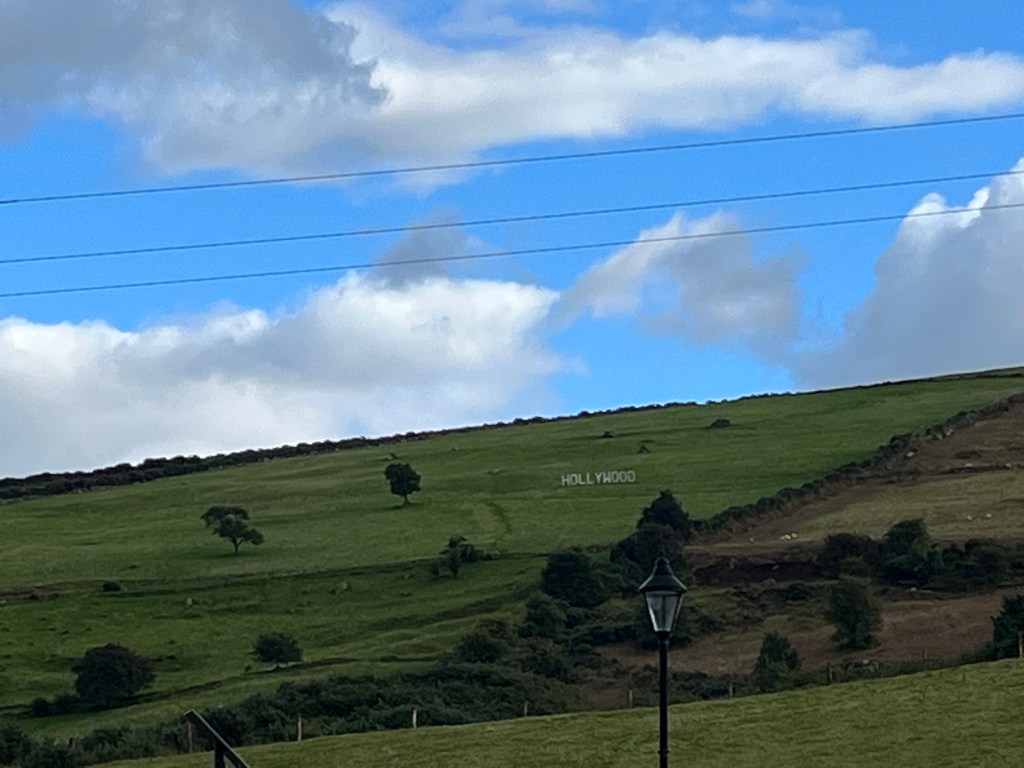
Last month, we rented a car in Ireland. Driving in Ireland is not for the faint of heart. For the uninitiated, it can be overwhelming. Let me explain. The Irish drive on the opposite side of the road to the one we drive on in the USA. This can be slightly disorienting to those of us that spent our whole lives driving on the right, making right-hand turns on red, and looking right before crossing the road. They drive mostly manual transmissions. (I grew up driving a stick-shift so this is generally not a problem; except that they shift with their left hand.) The driver’s seat is on the right and the passenger sits on the left. Many days we circled the vehicle like a clown circus before the driver and passengers could decide on the appropriate doors to enter the vehicle.

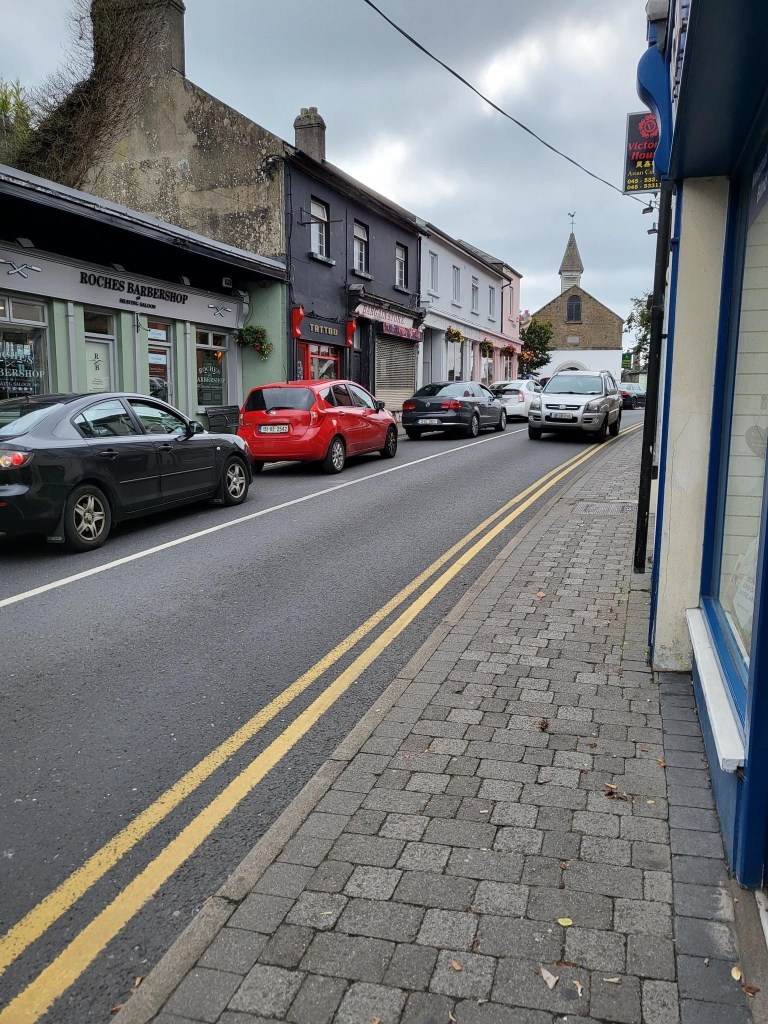
The Irish roadways themselves present numerous challenges. The roads are very narrow, with many roads simply built in the ancient trackways of roads long forgotten. The centuries old cities were not designed with automobiles in mind. In many places, the road is only wide enough for one car despite it being open to two-way traffic. There are generally no shoulders. This is compounded by hedgerows that grow up to the very edge of the road. They lean into the road, and must be trimmed back continuously to keep branches from protruding into traffic. The walls are alive and ever-changing.

The roads are constantly curving. Straight stretches are rare. Intersections are generally roundabouts, leaving the driver to make endless circles as you make your way through towns and villages. Highway intersections are never straight four way stops. Either you connect by round about or you make a right hand turn onto the crossroad, only to make a quick left hand turn onto the road you just left (crossroads generally do not connect straight across, you must be alert and find where the road resumes).

Road signs are helpful when they are present. But often, there are no signs. No matter what road you take, the sign tells you that the largest city in the county is accessible by the road you are on. This is endlessly confusing and also mostly true. Numerous small county and local roads connect in weird and wonderful ways. So, if you are in county Carlow you can be going East and see a sign saying the road west is to Carlow. You can turn West and see a sign saying the road headed east goes to Carlow. You could turn South or North on different roads and see the same signs promising the route to Carlow. However, when you come to a three way stop in the middle of trees and sheep there will likely be no sign telling which of the roads really will help you get to Carlow. And I’m convinced that every road in Ireland has a sign somewhere promising to take you to Dublin. There is also a slight language barrier. We once found out the hard way that a sign promising a ramp, really meant that you are about to hit a rather large speed bump. Go Mall means slow. (It is not a signal that shopping is in your future.)
Speed limits are determined by the type of road you are on. Motorways (M roads) are generally 120 kilometers per hour. National roads (N) are generally 100. Regional roads (R) are about 80. Local roads (L) are between 30 and 50 depending on whether you are in a town. Posted speed limits ( when you can find them) often do not take into consideration actual road conditions. It was common to see a sign with 100 kilometers per hour signaled just before a tight curve or a stop sign. It is assumed that the driver will be smart and alert enough to know not to drive at a higher rate of speed than conditions warrant. It is also assumed that you will know the limits by the road designation, so signs are fewer and farther between than Americans are used to.

The Irish have a loving relationship with rock walls. Roads are often built right up to the edge of the walls. This is problematic at intersections. You must pull your car far enough out into the road to see around the wall, however if you are far enough out in the road to see, you are likely far enough out to be hit. Irish driver’s know how far they can go to put their car right up to the edge of the road and often approach the intersections at high rates of speed only to stop at the last minute. They also pop out into the road and then back up immediately when they see an approaching car. This can be surprising to drivers traveling at high rates of speed on the main road.

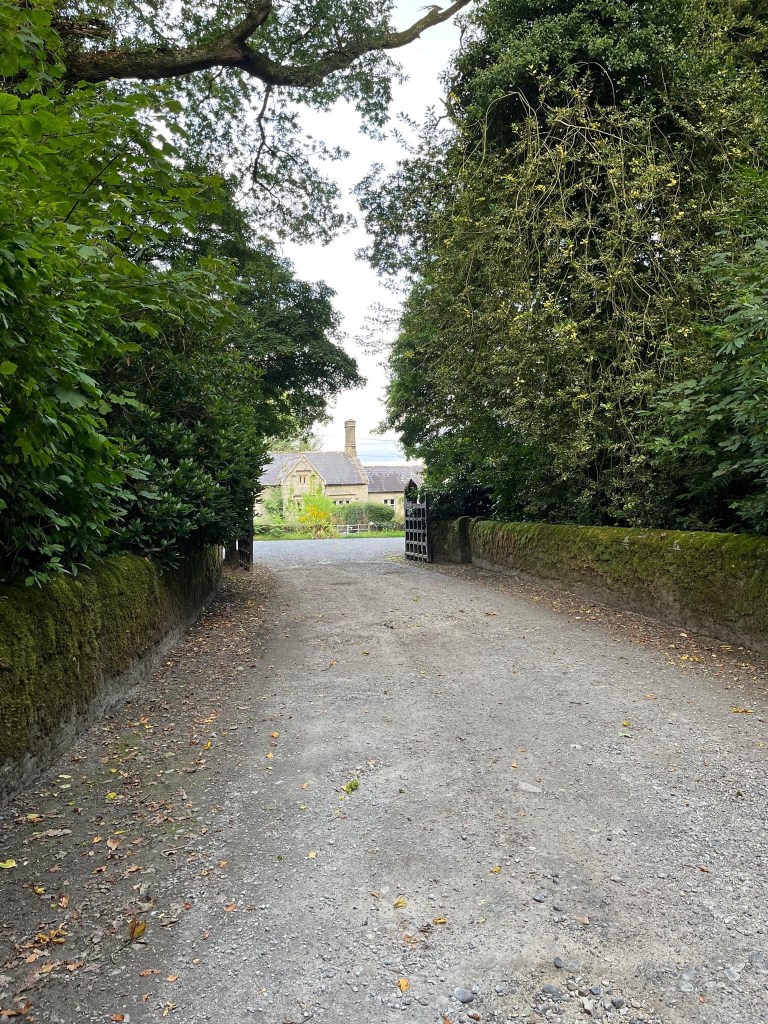
Houses are built with walls surrounding the front of the house and very narrow gates. To park your car at the house, you must make a 90 degree turn through the gate that is only slightly wider than your car. Our cottage had a rock wall, a narrow gate and a hedgerow. It also sat on a sharp turn. Just getting onto the roadway was an adventure. Public parking spaces are also narrow and often require you to find the nearest pay booth, to buy a ticket, and to display said ticket in your car. Parking anywhere requires some thought and effort.

In the unlikely event that there is extra space between the edge of the road and dirt, rock, or botanical walls, the Irish build obstacles for your car to navigate. Large rocks are placed at the edge of the road to keep you from using the gravel shoulders in front of buildings. Metal poles are driven into the ground at the edge of the roadway to keep you from using the extra three feet of pavement that inexplicably exists beyond the width of a car. Curbs are poured six inches high so that you can be reminded that even thought there isn’t a rock wall, you are still on a narrow and curvy road. In the unexpected occasions where there were no barriers at the edge of the road, I found myself taking deep breaths of relief and freedom (the closest experience I can describe is when you emerge from a long stretch of construction that requires you to drive in tight lanes between concrete barriers). However, the relief didn’t last long, because the next curve would always bring a new obstacle.

Once a driver has mastered avoiding the stationery obstacles, they are ready to advance to moving obstacles. The most common obstacle is people. I know there are plenty of parks, gardens, hiking trails, and endless fields in Ireland. So, I’m unsure why people feel they must walk their dogs, their babies in carriages, their elderly grandparents, and their grocery buggies down the middle of the roads. Since there are no shoulders and there are endless hedgerows and rock walls; encountering humans in the road may require a full stop. In the event of on-coming traffic, that stop may be abrupt. Since people are often jogging or walking on roads with just barely room for two cars to pass and speed limits of up to 100 kilometres per hour, you must be hyper alert for pedestrians. Bicyclists are also common amongst the hedgerows. And I can’t forgot to mention that people standing in the road trimming their hedgerows is also a common sight. You may also encounter a very large vehicle with massive hedge trimming blades.
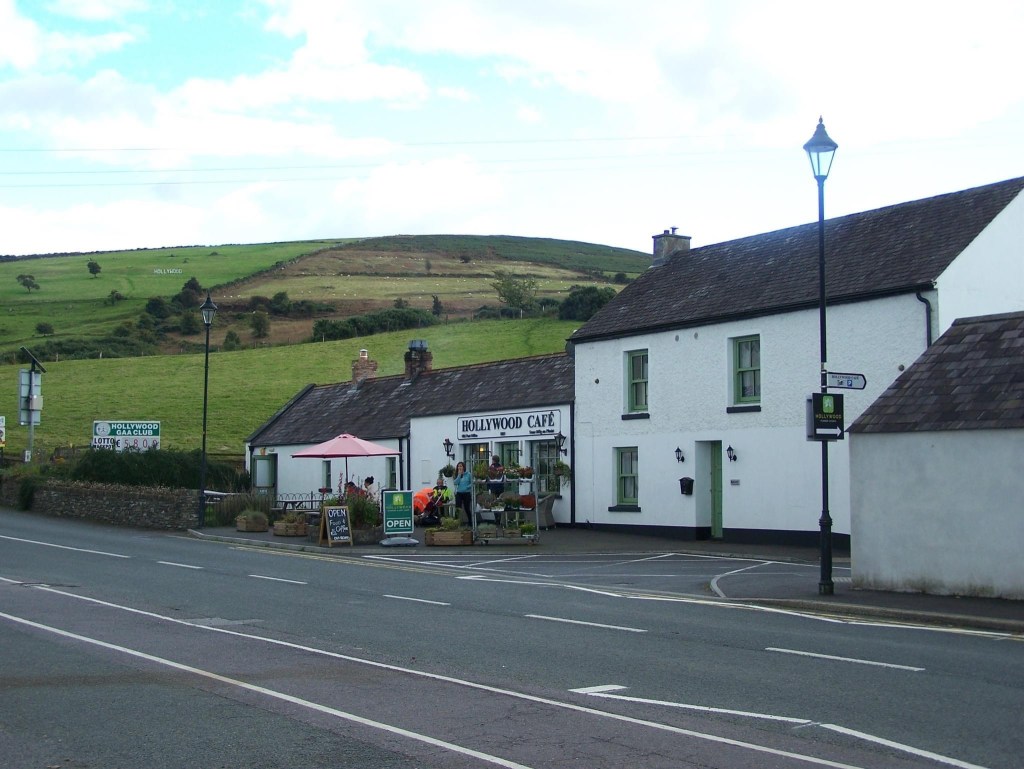
Once drivers are comfortable with people, they are ready to move on to the animal obstacles. Sheep roam freely on the mountain roads and often can be seen crossing roads as a herd. Sometimes they have a shepherd or dog in sight, sometimes they are seemingly on their own. They usually are not in a hurry. Cows can also be in the road as they cross from pasture to dairy barn. Driving down the motorway (think interstate multi-lane highway), I looked up to see a lone cow crossing the overpass. Less common are goats, donkeys, and foxes. You may also be dodging ravens, hawks, owls, and endless varieties of water birds. Drivers must be alert for dogs and horses.
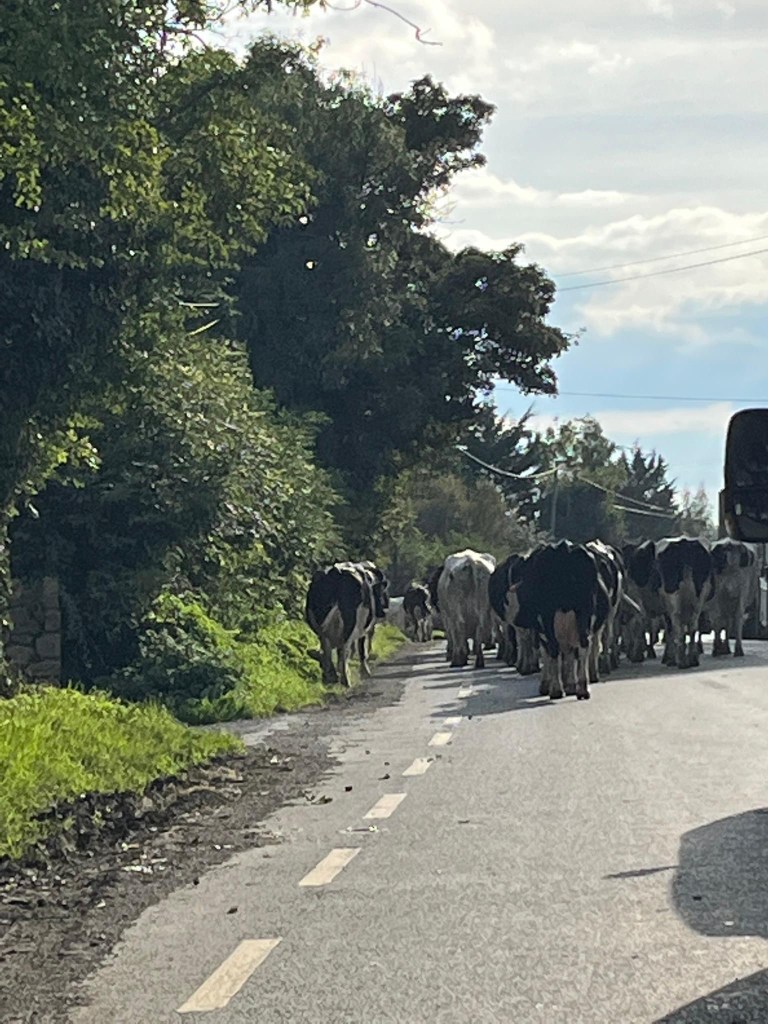
Last but not least, drivers must also watch for other moving vehicles. These can range from the standard compact cars to large trailers with beds full of logs. Giant tractors are on the roads moving at highway speed or crawling along the roads as they make their way between fields. They often are pulling large trailers. But the real nemesis of the casual driver is the endless parade of white service vans. Where they are going are coming from is anyone’s guess, but they pop up out of nowhere. They must be in a hurry, because they pass in places that a sane person would deem unpassable. You must make sure that you are in your lane at all times and that you are watching ahead to make sure that it is possible for two cars to be in their lane and still manage to pass. If the road is too narrow, you must stop in the place that is wide enough for two cars and wait until they pass. Or if they stop first, you must proceed to pass them. It is almost like learning to dance.
Why, you might ask yourself, would anyone want to drive in Ireland? Because it is a beautiful country that can only be properly explored on the backroads and in the small towns. Because the Irish people are kind and generous and funny. In the countryside, Irish drivers are generally patient and courteous. I heard no honking of horns or signs of road rage. If the road was narrow, drivers looked out for one another, pulling over when necessary. There is a magical quality when you top an Irish mountain, and you see the green fields dotted with sheep. It is glorious.

So if you are going to Ireland, may the road rise up to meet you. May the hedgerows be trimmed. May the cows stay in the pasture, and may your eyes be not dimmed. May you never drive in Dublin. May you sail through round abouts. May your car be automatic and may you give no one cause to shout.

Happy Traveling!


4 responses to “May the Road Rise Up to Meet You: Travel Goals Ireland”
You have nailed one of the most intimidating precautions for a UK visit.
Just replace most references to “Ireland” with “Scotland” and you will have my experiences in county Fife, Scotland along with York and Oxford to the south.
Looking forward to an upcoming visit with the grandsons and another series of joyrides on the wrong side of the road 🙂
LikeLiked by 1 person
Hope you had safe travels in Scotland
LikeLike
Yes, we did. This was a little different ‘vacation’ time for us. We didn’t rent a car this time, no driving on the wrong side of those tiny roads this time. Peggy worked every weekday, but two, remotely. We had those two days and weekends to get out and around. My son and family had moved into their house a few months ago…plenty of time for him to come up with a list of projects to do around the house. That’s where I came in 🙂
I worked from his list and got a bunch of little things done that needed doing. They were most impressed with my silicone sealant replacements. So, I left my sealant profiling tools for him to try on the next occasion they were needed.
The most rewarding moments of the last 3 weeks was the time spent doing nothing with Daryl and his growing family.
I saw the boys off on the school bus every morning. I took pictures more than once of them standing across the street.
Although their matches for the season were done, I was able to watch football (soccer) practice on the sidelines with the cheers and groans of other parents.
We went to the grocery store and sampled the fare at several restaurants.
We listened to the dairy cows across road call for their lunch.
We embraced the fog and damp cold of the season in their setting between the North Sea and the Firth of Fife.
In the evenings, we played board and card games.
I made the boys chocolate gravy.
We stole every hug we could handle or finagle out those boys.
p.s. I am reposting a bit of this on FB. Copy, paste, re-purpose 🙂
LikeLike
So glad to hear you had a great trip!
LikeLike