
Today we ride the metro for the first time. It is clean and bright. I wish for the millionth time that my city would embrace public transportation, but probably not in my lifetime. Midwesterner’s have a lifelong love affair with their automobiles that precludes discussion of public transportation options.
We exit the metro station into parts unknown and I have to turn on data to use the GPS in order to find the way to the Calouste Gulbenkian Museum, a private art collection. In typical Portuguese fashion, there are no signs designating an entrance. We in typical fashion, pick the wrong door. However, we are informed that if we want to see the special exhibit we can buy tickets at this entry. We buy tickets, mainly because we didn’t want to climb more stairs to find another entrance. Lisbon has carved itself into our hamstrings.
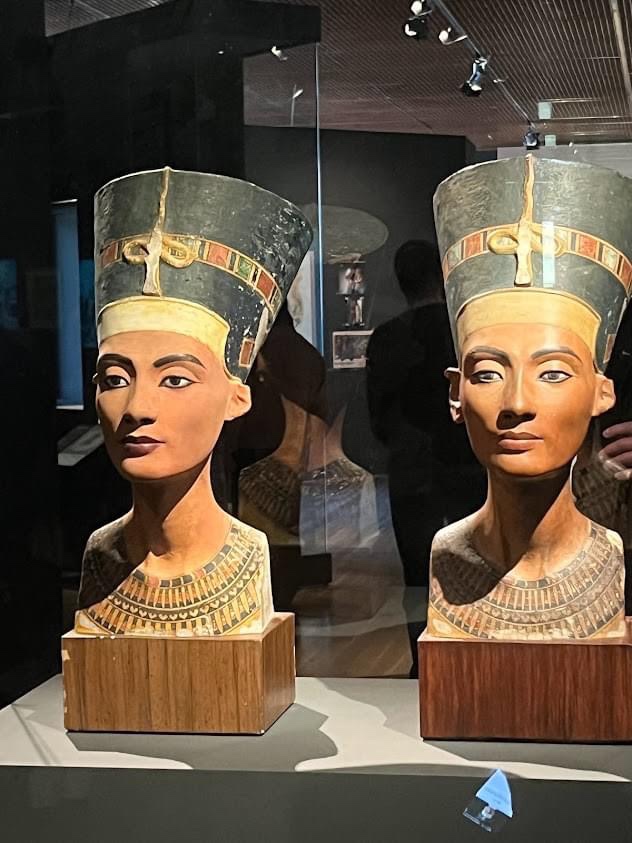
The special exhibit is about the effects of ancient Egypt on popular culture. It is art inspired by Egyptian art and kind of trippy. There are replicas of famous artifacts and art depicting scenes in Egypt. There are movies set in Egypt playing on the walls and statues in Egyptian themes. Scattered among the copies are actual ancient artifacts.
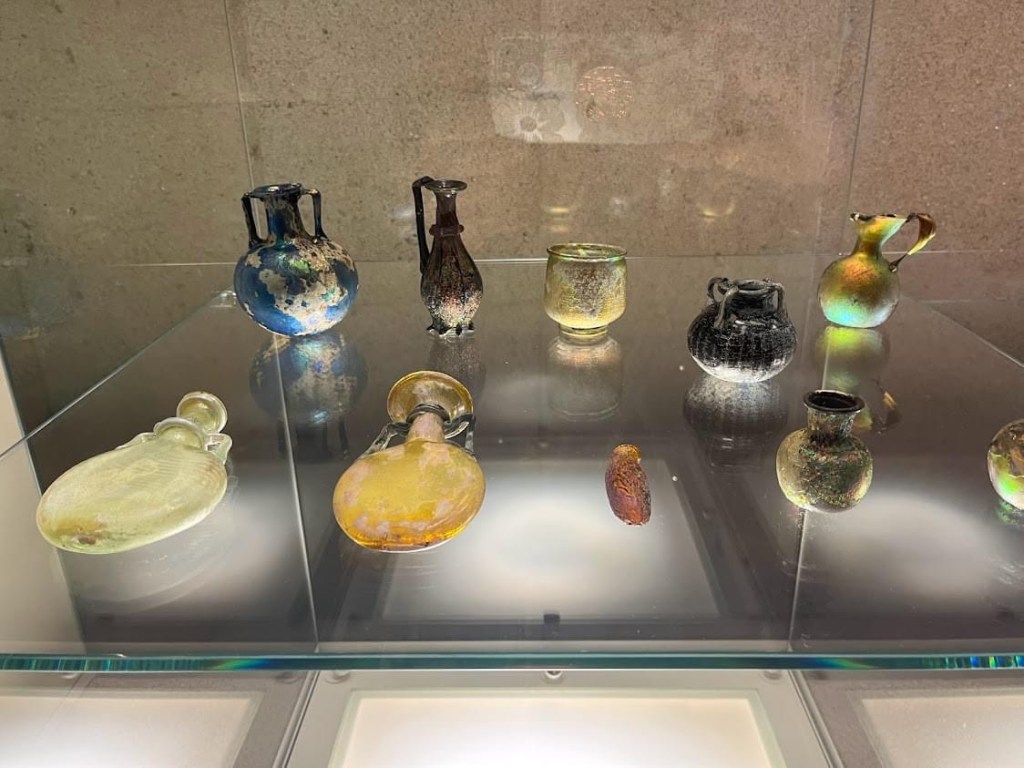
I am always a little dumbstruck when I encounter artifacts that are centuries old. I stare at Egyptian glassware that held makeup and ogle the jewelry of pharaoh’s. We like to pretend that modern life is so advanced. In all honesty, the more I encounter history, the more backwards my society seems. There is nothing we produce that doesn’t have an equally impressive historical counterpoint. Perhaps only communication and transportation are more advanced in the modern era.
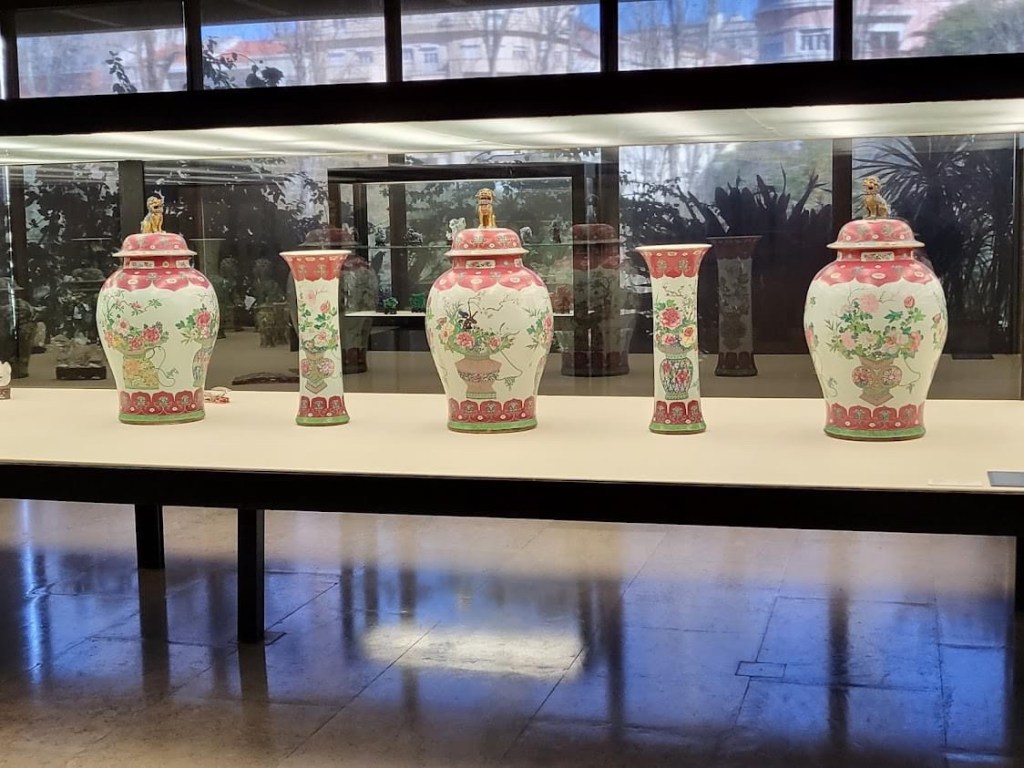
The main collections are full of Eastern artifacts. Persian carpets, Chinese porcelains, Arabic lamps . . . Here are items rare in the U.S. We try to appreciate them, but our lack of background makes it a bit harder to contextualize. I am a lifelong advocate of true “world” history as opposed to Western Civilization masquerading as world history and yet I find that I am struggling to contextualize what I am seeing. I am a product of an American collegiate experience where European history was the order of the day and everyone else an aside. There is so much I don’t know. I feel my ignorance in the Asian galleries.
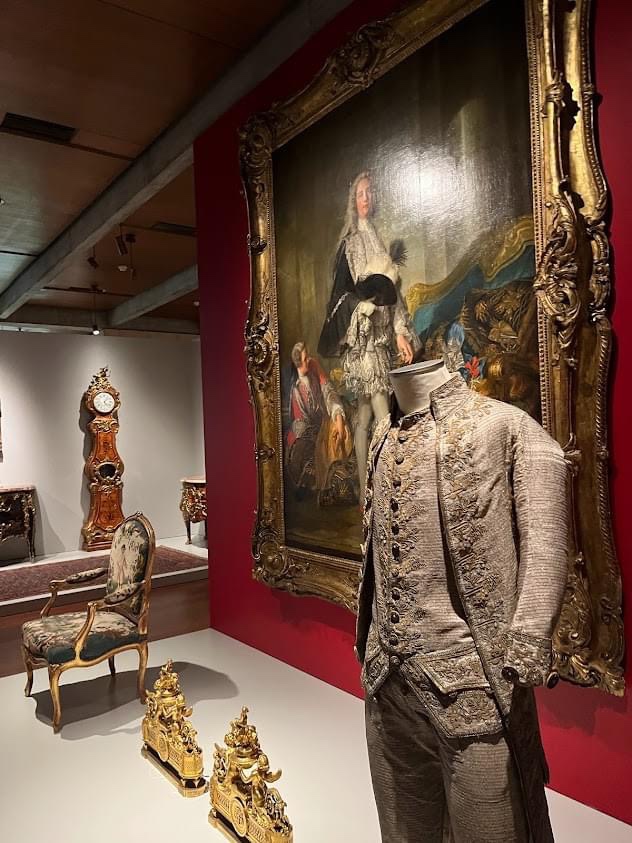
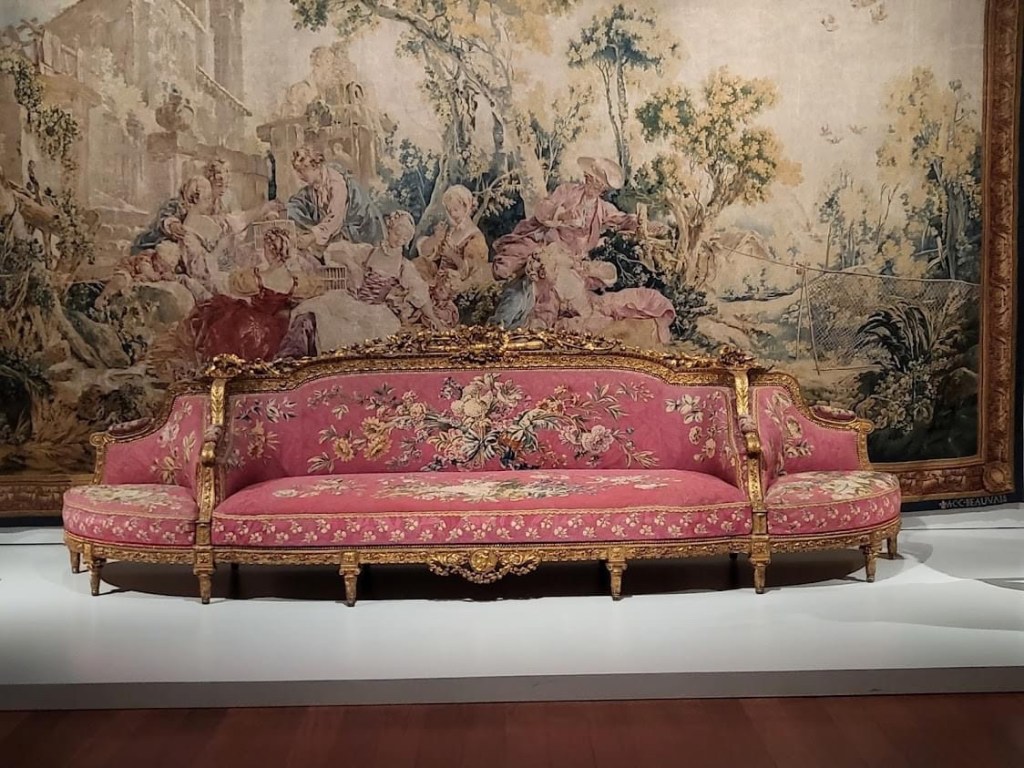
The next wing is 17th and 18th century French artifacts. My confidence level is high as I recognize the people, places, and furnishings more familiar. Clocks, chairs, tables, and chests occupy several rooms. The craftsmanship is exquisite. The items are priceless. We linger to admire time gone by.
We are hungry. As we walk toward another museum in the area, I notice “Ground Burger”. It promises American style burgers and fries. There is a 30 minute wait, but we climbed three flights of stairs to get here so we wait. The place is hectic with Portuguese families enjoying their Sunday afternoon. We enjoy watching others enjoy an Angus burger and American beer. We are clearly the only foreigners in the place. It is strange to be a tourist in an American burger joint where no one is speaking English. Isn’t traveling great?
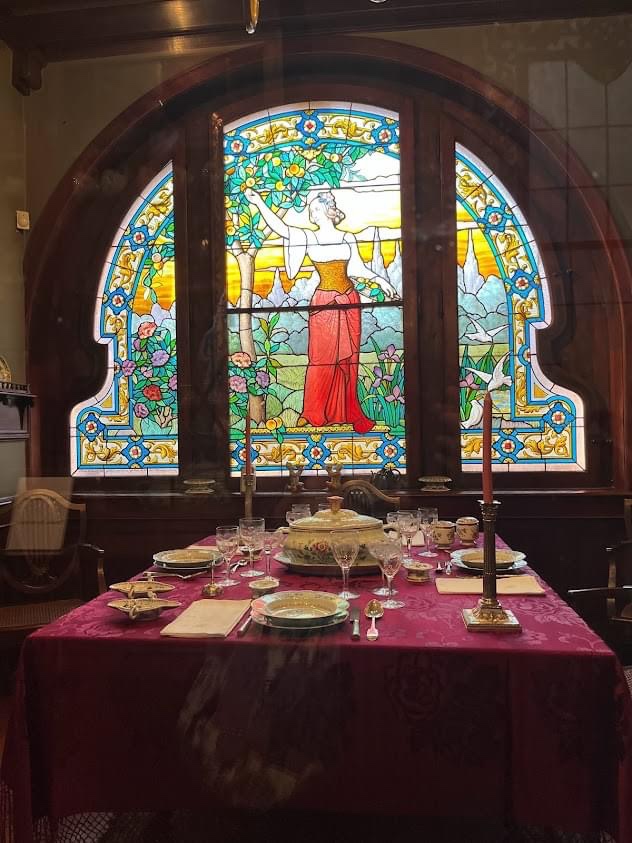
We have tickets to the Casa Anastacio Goncalves. This house is preserved in time even as the neighborhood has grown around it. As normal, the entrance selected by GPs is closed with no indication of where else to go. We wander around. A man beckons us inside and we present our tickets. Three people are gathered in the entryway. They do not respond to English but gesture us up the stairs. We proceed through the house. I read the signs in Portuguese and use google translate when I get stuck. An older woman follows us from room to room. It is starting to feel a little wierd. I smile and speak to her. She does not speak English. We are starting to feel like they don’t get many visitors.
On the next floor a man joins us. He is very talkative and wants to explain everything…every single painting and artifact. His English is broken, but he is expressive and animated. We find out that the owner was an ophthalmologist. He had collections and lots of art. We find out the history of each of the locations of each of the paintings. It takes a long time to hear about every aspect of every object. My back is starting to ache. It is hard to be annoyed. He is so sincere and kind. He is clearly happy to share something he loves. He returns our smiles and for our thanks he launches into an explanation of the pottery in the room. So many pots…
So many artifacts today. So many encounters and interpretations. Some were comfortable and familiar. Some were jarring or confusing. Even the familiar things (like burgers), I saw through a new lens. I am learning to take the time to look and listen, especially when I am uncomfortable and having trouble making connections. Sometimes painfully slow translations have the most promise. I think I accidentally learned that today from an incredibly kind docent who triggered a bout of museum overload. But we persevered, we connected. I now know that Lisboans love their beach communities, that the area around Sintra is no longer as rural as it once was, and that you should never use an ancient Chinese pot to house goldfish. I also learned that humans are so much richer for the many encounters with each other, and our collective past.
 Prisoner of Hopes