There is a game I play on a regular basis. Perhaps challenge is the better word. I look in the pantry and refrigerator to figure out how random and abandoned items can be turned into a meal. This purging of the remnants is cathartic.
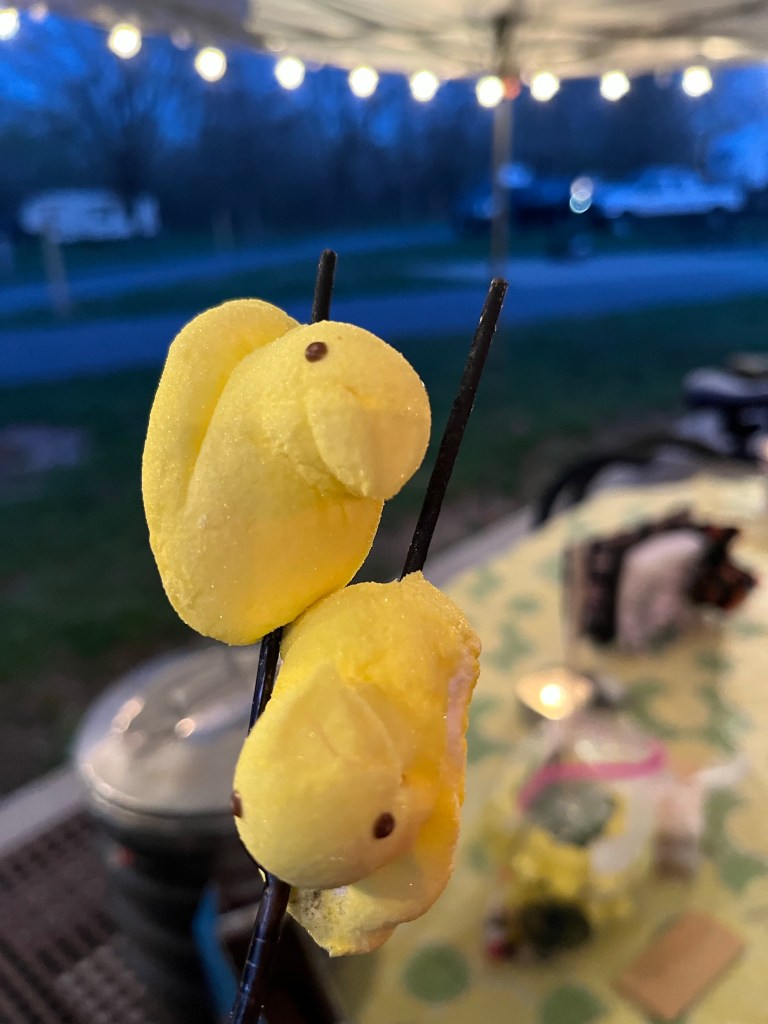
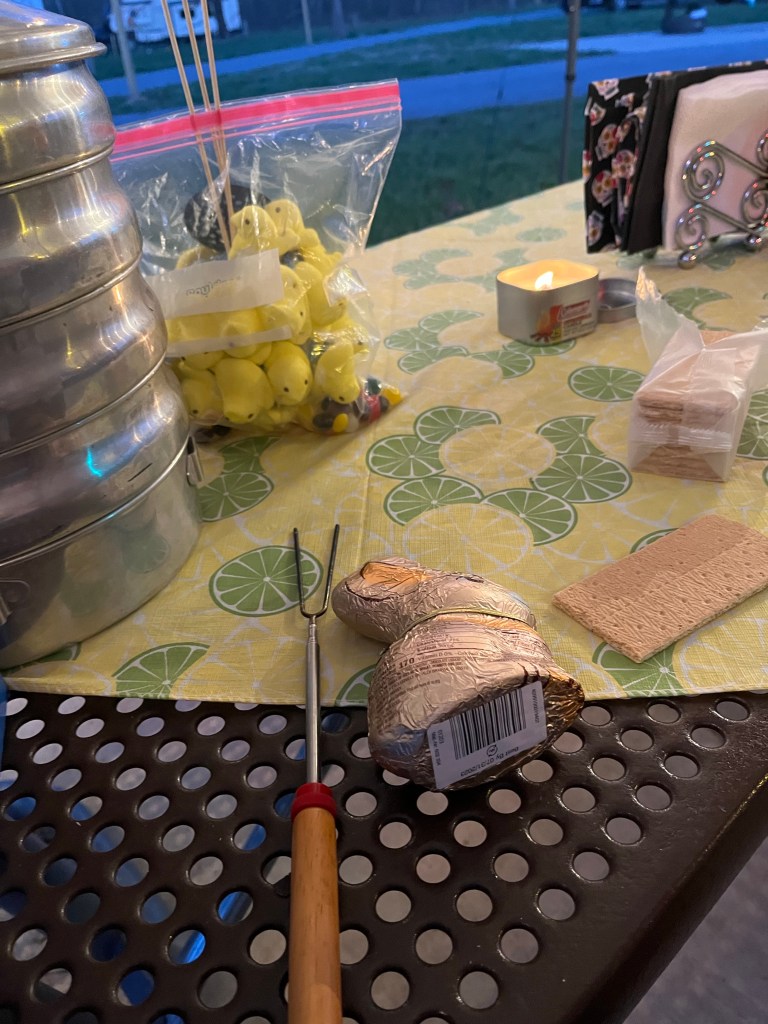
This Easter we took our first camping trip of the season. I had a plan. We would use up the Easter candy that was part of the table decoration at the family gathering. We would make s’mores out of peeps, a chocolate bunny, and graham crackers.
My husband just shook his head and smiled. His job is to make the s’mores. My job is to assemble the ingredients. Despite being unsure of the outcome, they were actually delicious. And we didn’t have to waste food. (Are peeps actually considered food?)
In all seriousness, I hate waste. I don’t like to throw away usable items. I get a little thrill when I can repurpose an item. I am genuinely enthralled with resale shops. Not only do I regularly donate items, it is my shopping venue of choice. Reduce, reuse, and recycle…words to live by.
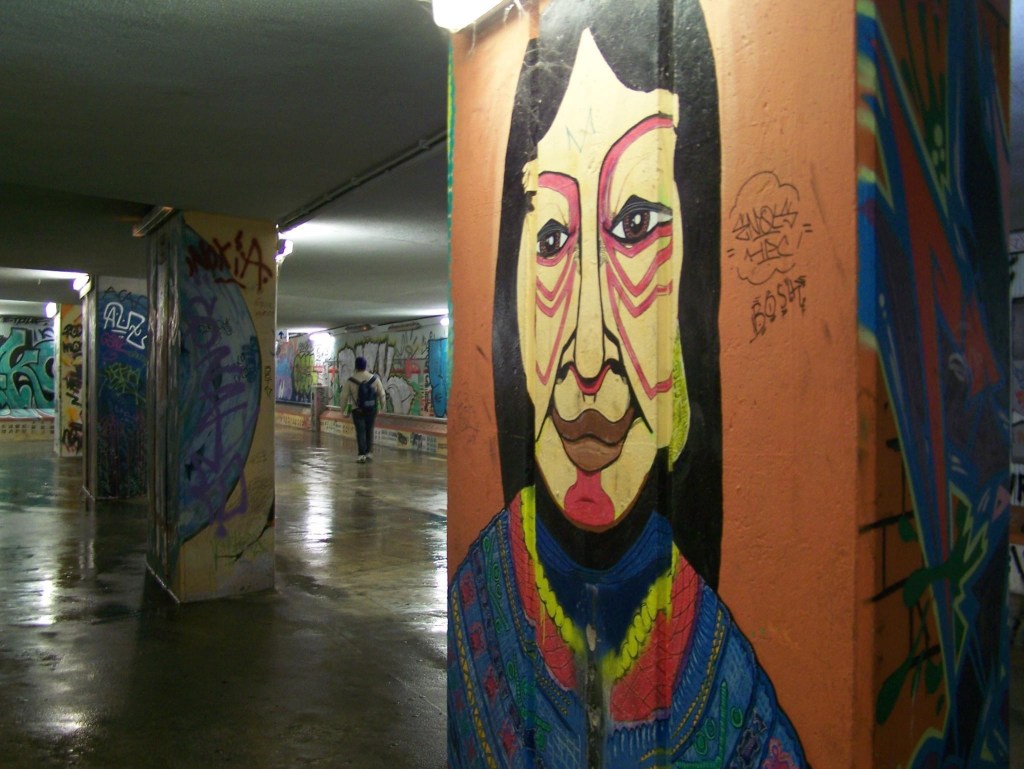
When I travel, I notice how much Americans waste in comparison to how others live. I want to do better. Recently we were walking through an underground passage in Lisbon. People had set up a camp in a corner of the walkway that was well lit. They had a mattress, some clothing, and a few bowls. I was reminded of how little we actually need as humans. I was painfully aware that they had to “make do” not as a fun pastime but as a matter of necessity.
I am blessed beyond measure. Even so, I can be tricked into thinking I need even more. It takes moments of clarity, to wake me up from my entitlement.
When confronted with poverty and abject need, people are often afraid (as if it might rub off). We look away, we turn from it and attempt to accumulate more and more. We are sure that the more we have, the less we need to worry. Self worth becomes tied to things.
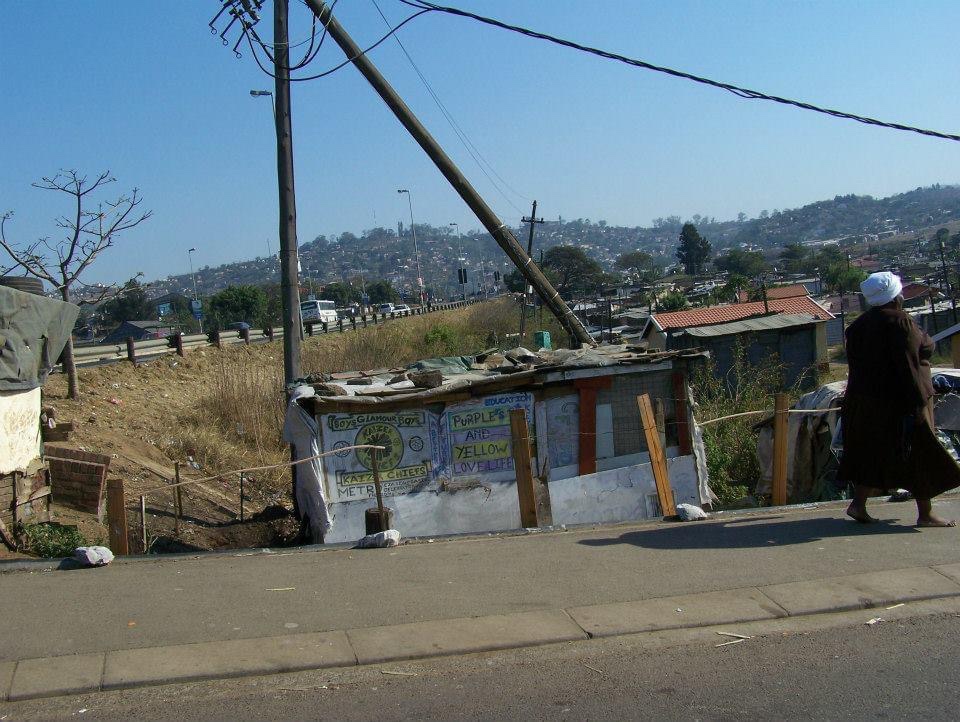
On a trip to South Africa, I visited an area that one might call a slum. An entire city made of things others had thrown away. The “store” was a roadside shack where you brought refuse you found that might be useful and traded it for refuse you might need. I watched a teenage boy bring in two used tires he found along the highway to trade for a bucket and a sheet of tin. An elderly man traded coke bottles for a roll of toilet paper.
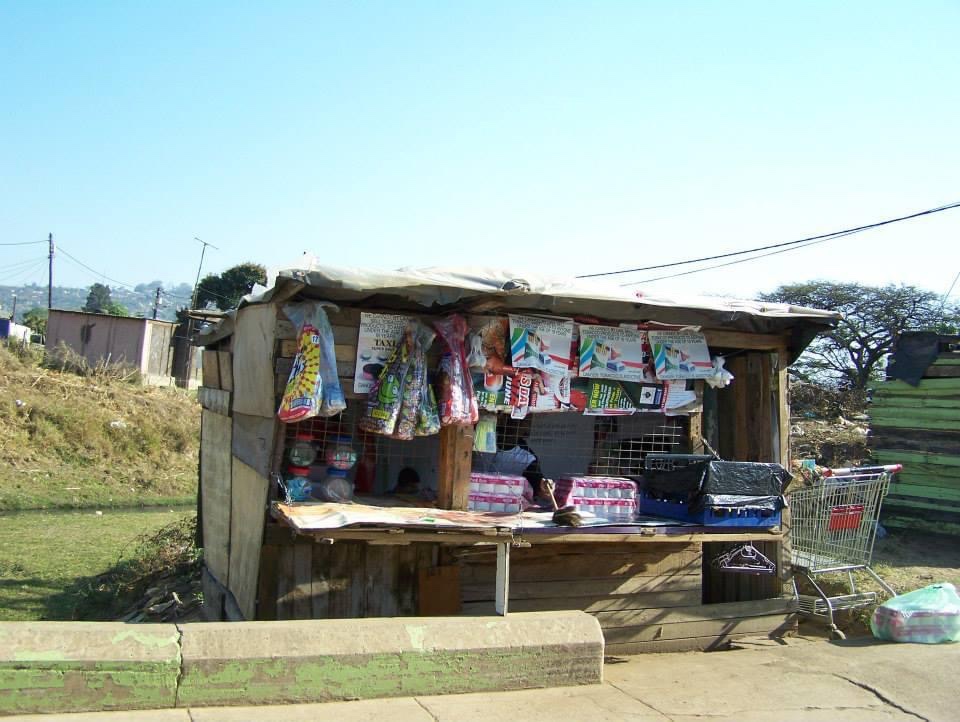
Making do in this African village was an art form. Houses were shaped of scraps of wood, tarps, plastic and card board. Shoes were made from rags pieces of tire. I actually bought a beautiful purse from a woman that had been shaped from a used tire.

Despite the lack of material wealth, on Sunday morning hundreds of people gathered in the brightest white clothing I had ever seen (a fact that impressed me because there were no washing machines readily available). In perfect harmony, they sang praise to God for his provision and his many blessings. I stood on the hillside. I looked across the sea of joyful people dressed in white giving thanks for the refuse they bartered to survive and I wept. The experience changed me.
I have to discipline my American self to use less and to share more. It is almost counter cultural, in the land where more is always best. The land of the Big Gulp, Big Mac and super size fries is not known for moderation. How do we remember that people are always more important than things and that the common good is always a higher calling than individual greed? I will resist the urge to sermonize, however, my faith demands that I practice stewardship.
“Making do” for me is good fun. I get a thrill when I can rescue the wilted produce in the bottom of the refrigerator before I have to throw it out. I feel triumphant when I successfully buy a dress or pair of shoes for a dollar at the local charity shop. But I know that for others, making do is not a game. Reduce, reuse, and recycle is ultimately good for all of us.
 Prisoner of Hopes