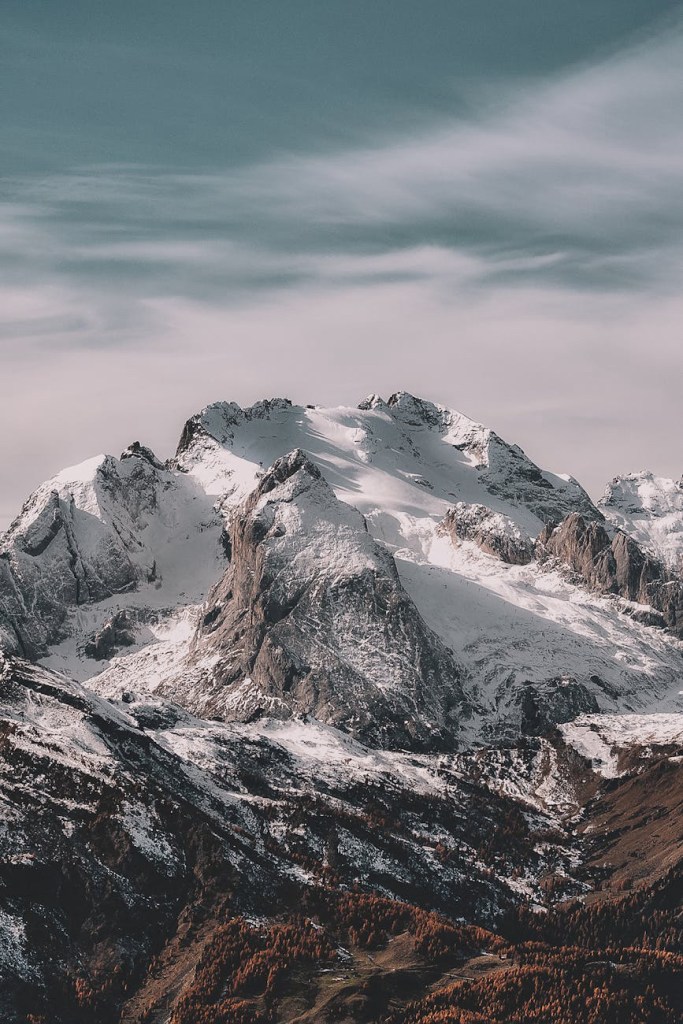
When I was a teenager, I went to the science center IMAX. There, on the giant screen, I experienced scenes from the Andes and heard about a plane crash that left people stranded for 72 days. Through footage of the wreckage, I imagined the horrors of trying to survive on the side of a mountain in temperatures of over 30 below zero.
As an adult, standing in Montevideo Uruguay, I ran across the Museo Andes 1972. It is an unassuming multistory building that is too hot and has way too many people inside. The exhibit is small, the text is mostly in Spanish, and it is hard to see over the crush of tourists surging off of the cruise ships. We pay admission, despite the obstacles, and visit this small space that was intended as a pop up memorial. The museum has endured and expanded as a remembrance , a place of mourning and celebration.
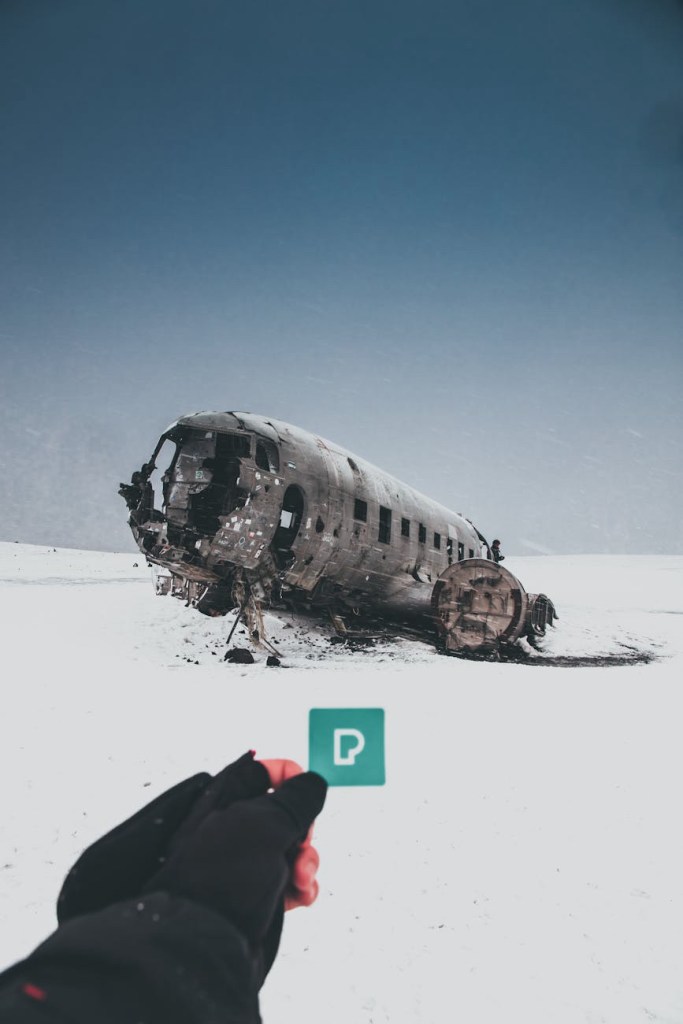
On Friday the 13th, 1972 a small plane with a Uruguayan rugby team, their coaches, a doctor, a young mother, and a few others left Uruguay for a short flight over the Andes into Chile. Standing in front of mangled pieces of plane, it is clear they didn’t make it. The cases of student identification, glasses, and other personal effects make this more than story. The coats and sleeping bags made out of airplane seat covers show ingenious desperation. The goodbye letters and final photographs tug at my heart. I am captivated and compare the reality of the items in front of me to the IMAX story of long ago.
Just as I marvel at how 36 of the 45 could have survived the initial crash, I realize that a few were horribly injured. Mangled seats and bloody garments tell a harrowing tale that needs no translation. I am taking that in. They had no food except some candy purchased for someone’s children as a travel gift, a little soda and some beer. One tiny radio that let them know the search had been called off. Desperation.… I can feel it ….. all these decades later.
And then on top of all the hurt, an avalanche sends the plane further down the mountain and buries them alive. Eight more die instantly. Others are starving. Tough decisions must be made. I watch a video of a man just a little older than my husband describe how he and other survivors made the difficult decision to eat the bodies of the dead. He shared the moral and ethical dilemma they faced and what the reasoning process looked like. It was heartbreaking to watch. There were a few photos taken inside the buried plane. It was hard to look and hard to look away.
There was a child sized pair of red tennis shoes in a glass case. How odd and seemingly out of place? They were purchased by the woman on the flight as a gift for child. Red shoes marking the way home. The men took turns walking as far as they could in every direction hoping to find help. The shoes were used as place markers since they were the only spot of color in the snow. Homemade snow glasses and improvised parkas sat in cases nearby. Such ordinary materials put to extraordinary use. Symbols of hope.
Just when I feel completely spent, I read goodbye letters from a man to his wife. I need to sit, whether from the heat or the emotional toll…. I am unsure. I stop and flip through a coffee table book of the Andes and imagine walking through the beautiful and terrifying terrain.
Finally, in the basement, photos of rescue. Two of the men encounter a cattle driver after walking for 10 days. They are saved. 17 survivors in a grainy video walking off a plane. They are walking skeletons with wide smiles. Parents and family members hug and cry. The video cuts away to scenes of survivors living life since the tragedy.
I stand for a long time in the dark basement room looking at the wooden beams and saying a prayer. I can’t form the right words but I want these 17 people to be alright. I want them to know they beat the mountain, that their friends forgive them, that 100s of people are standing here amazed at their perseverance.
An unexpected encounter on an unassuming street.
 Prisoner of Hopes