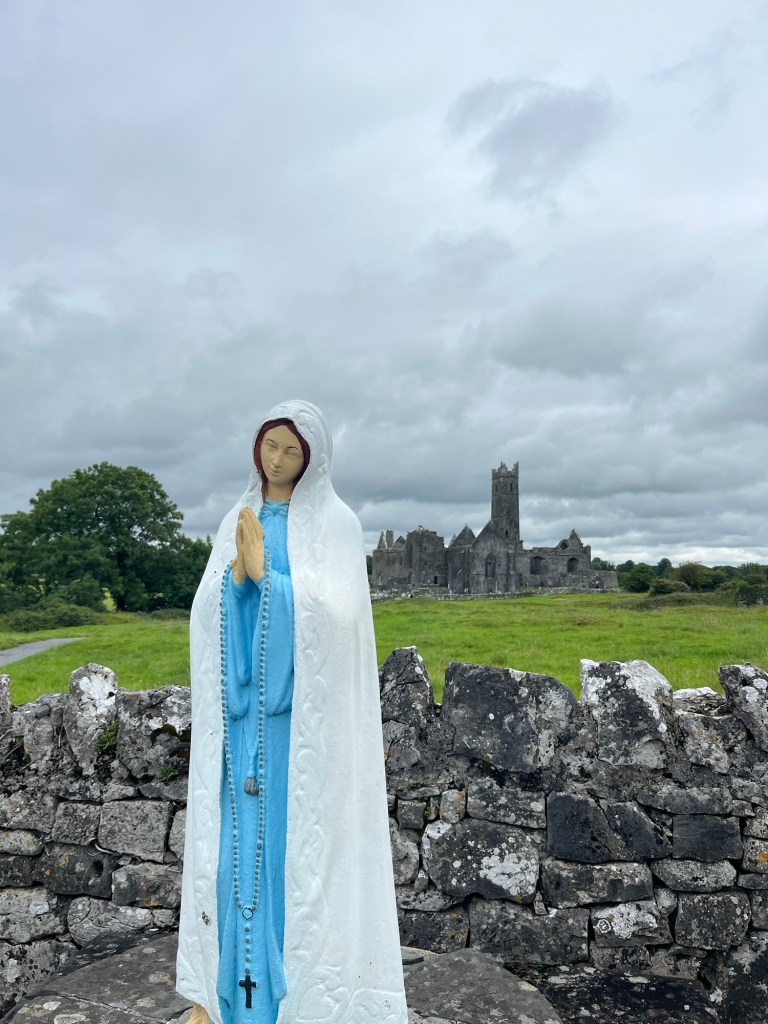
From a modern perspective, it is hard to envision a time when religion completely dominated the landscape. Yet in Ireland the past is everywhere. It is hard to cross a field without noticing some remnant of religious life. From Neolithic tombs to abandoned monasteries, religious architecture is hard to miss.

As a historian, I understand the power struggles and the economic issues that intertwined these religious spaces. A cynic would dismiss the ruins as dynastic power plays. One is built to show dominance and in the same way another is laid waste. An economist would tally the money changing hands in all this and proclaim the richest the winner. He who controls the territory and the resources is proclaimed right. But what of the faithful?
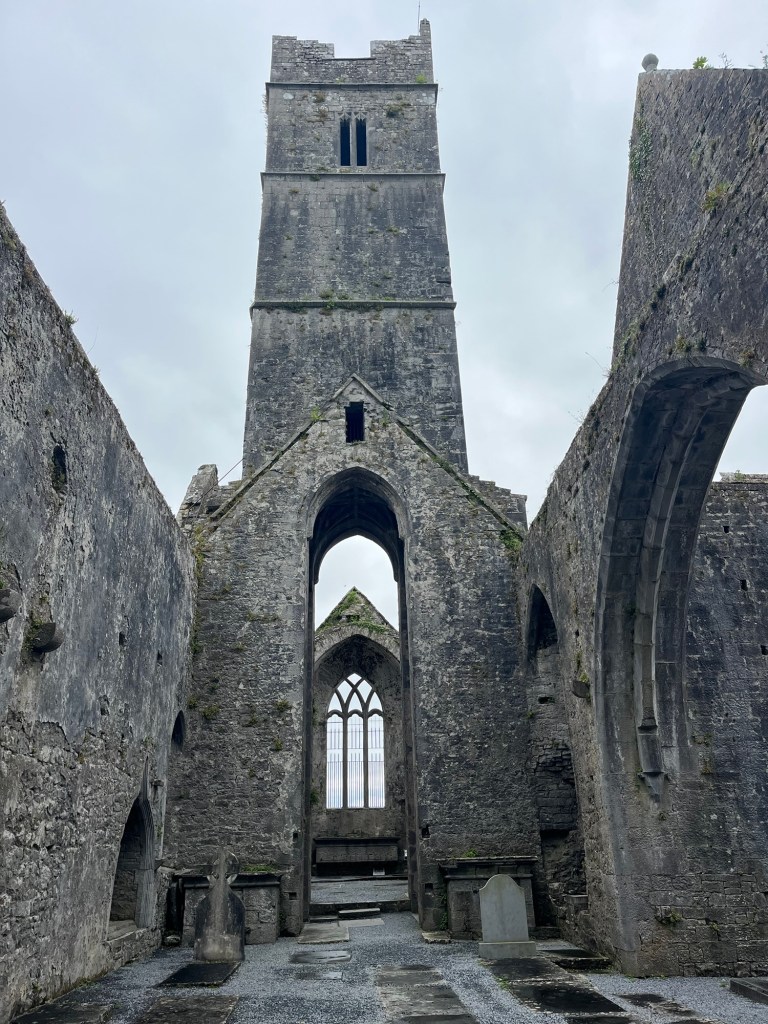
I walk these ruined interiors and I wonder what happens to those pure souls who dedicated their lives to service. What happened to those who fed the poor and tended the flock when the monasteries were closed because a new king wanted the money the land provided? What happened to the people who visited the churches and set up secret altars in the woods to continue their faith traditions despite the risks of being caught?
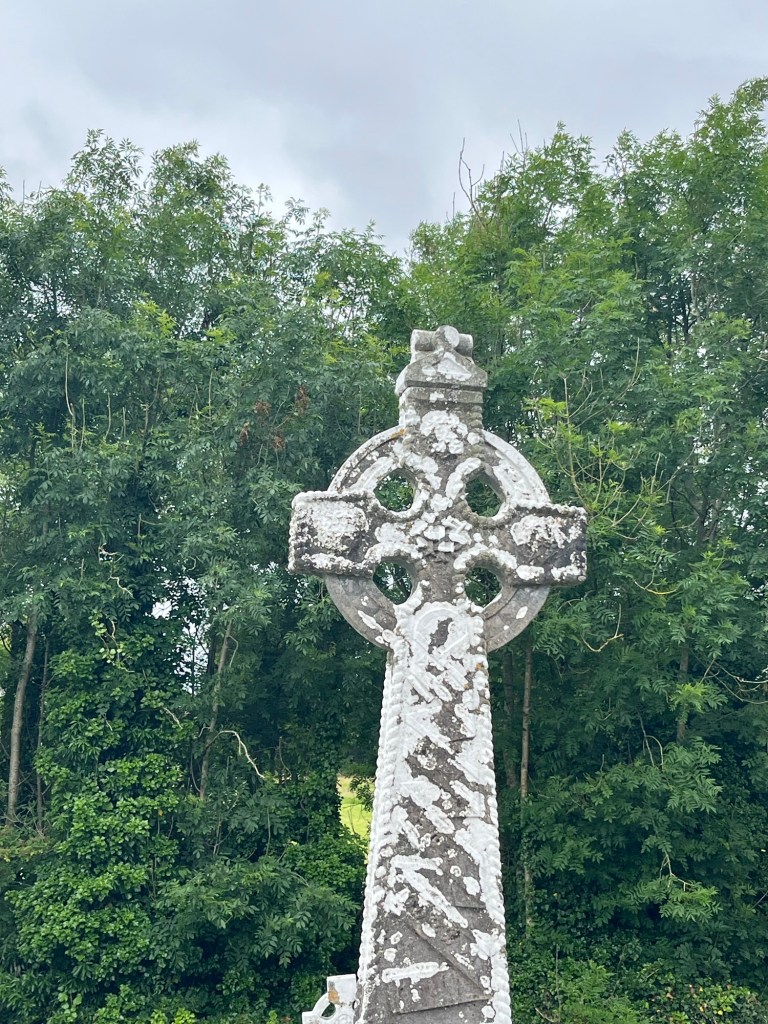
For those who see only power and money, religion is a means to an end. For those who seek God, it is an unbreakable relationship for better or worse. In modern Ireland, the patterns continue.
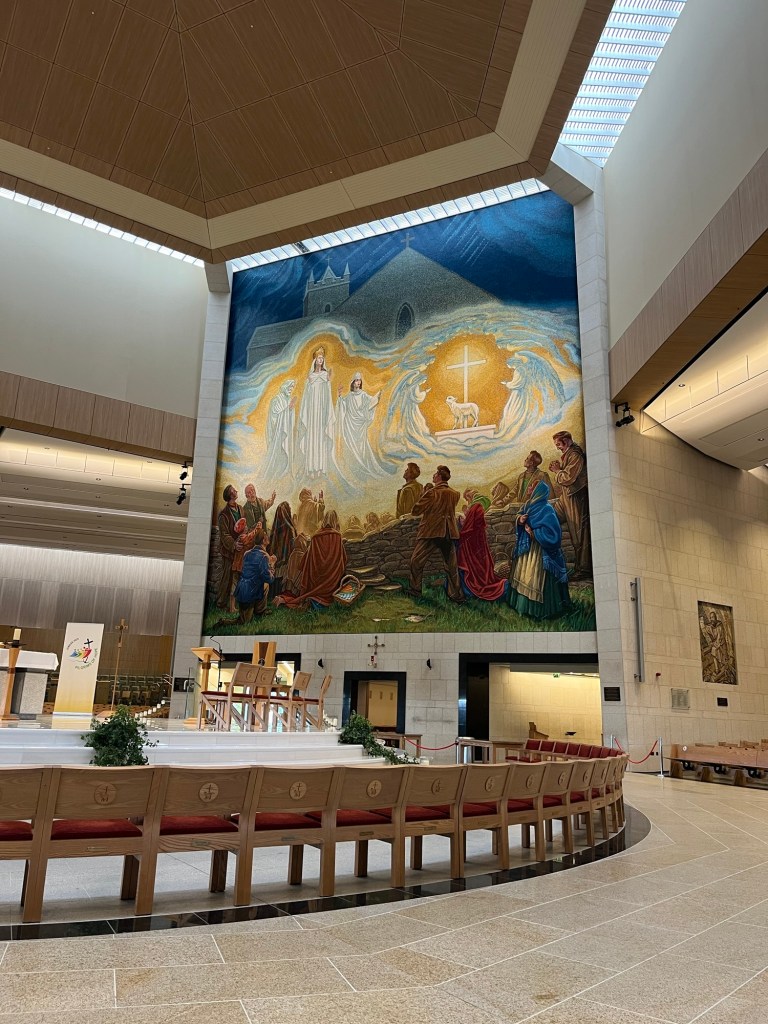
The ancient sites are full of tourists. The modern pilgrimage sites, such as Knock still bustle with the faithful. And in the woods and lanes you can find a holy well with cloth tied to trees for special blessings. In a random field, a stone with feather offerings carefully placed in the center. A rowan tree sits by the side of the road adorned with prayers and photographs. For the faithful, life is worship. There are after all, things that money can’t buy and that power can’t corrupt. In Ireland, I am reminded that faith is beautiful and always comes at a cost.
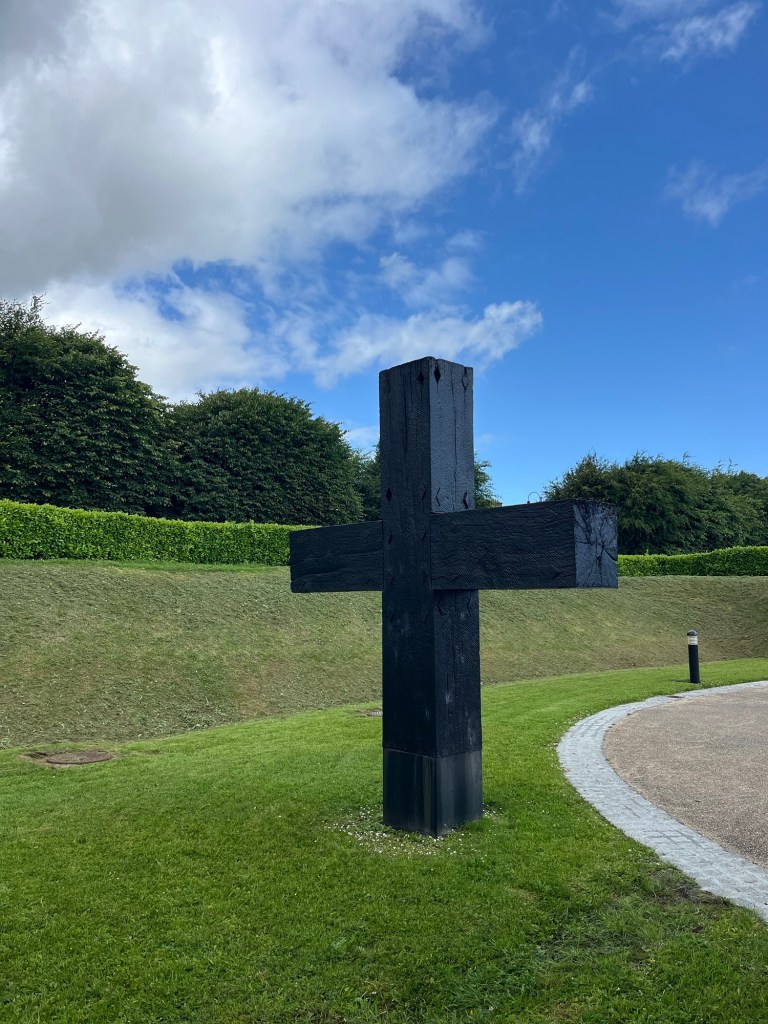
 Prisoner of Hopes