“It wouldn’t be prudent. Read my lips. No new taxes. A thousand points of light.”. If you are old enough to remember Saturday Night live in 1989, you can likely remember Dana Carvey’s impression of George Bush Senior. I can picture it. I haven’t heard anyone use the word prudent since then.

Prudent. It is a funny adjective that means acting with care, wisdom, and good judgment to avoid risk and plan for the future. It describes a sensible choice that prevents harm or loss. It assumes a position of moral care.
When I was a teacher, I worked in a rural community and had a few students over the years named Prudence. It conjures up images of pilgrims in white caps and long aprons. I don’t live the name Prudence. (sorry girls). But Prudence is the quality of being careful, using good judgment, and avoiding unnecessary risks. It means looking ahead, planning carefully, and thinking about the future results of your actions before you make a choice. The Prudences that I taught were well named. If you looked up good judgement in a dictionary, you might find their pictures. They were lovely humans.
Prudence is an important character trait. People who are prudent act with caution, wisdom, and self-control instead of rushing or acting on impulse. They save money, spend carefully, and manage resources responsibly.
Prudence is regarded as one of the major cardinal virtues in both Ancient Greek philosophy and in the Christian church. Some have called prudence the “charioteer of virtues” because it guides and balances justice, strength, and temperance. How then, did we get to a time and place when so few people know what the word even means? How did prudence go from being perhaps the most important character strength to the dust bin of rarely used words?

The word prudence comes from the latin word prudentia, derived from providentia and has the connotation of looking to the future. A prudent person is able to judge between virtuous and vicious actions, and to discern appropriate actions at a given time and place. For this reason, all other virtues are regulated by it. It is a fitting place to begin a discussion of character.
In modern English, the word “prudence” has become closely associated with cautiousness. In this sense, prudence is a virtue that involves taking calculated risks, but that is not expansive enough. Aristotle talked about prudence in the language of “practical wisdom” or “rational choice”. Prudence provides guidance on the appropriate course of action. The purpose of prudence is to consider the circumstances of time, place, and manner that are relevant in any given situation. While it relies on the intellect, prudence is always a moral virtue. Prudence determines the right thing to do.

You cannot consistently “Do the Right Thing” (yes, it is another 1980’s reference) without prudence. Without prudence a person blindly acts or meekly follows the directives of others without their own internal compass. Prudence tempers and forges our response. It somehow both softens our worst impulses and strengthens our backbone when we need to act.
Prudent. It seems like something we should strive to be. But even prudence can be problematic in the blur of modern American life. If I am committed to prudence I may be very slow to act and I may perseverate. I may need to reflect and consider. Slow to act, slow to speak. Wait ….I think I remember reading about that in Proverbs and also James. Maybe it isn’t a problem if prudence slows us down. Maybe we should all slow down. That is not a popular message in the age of tweets and A.I..
Prudence requires a host of intellectual skills. Memory. Foresight. Discursive reasoning. Open mindedness. Caution. To be prudent means to think. Prudence cannot be outsourced. It is a deeply personal endeavor.
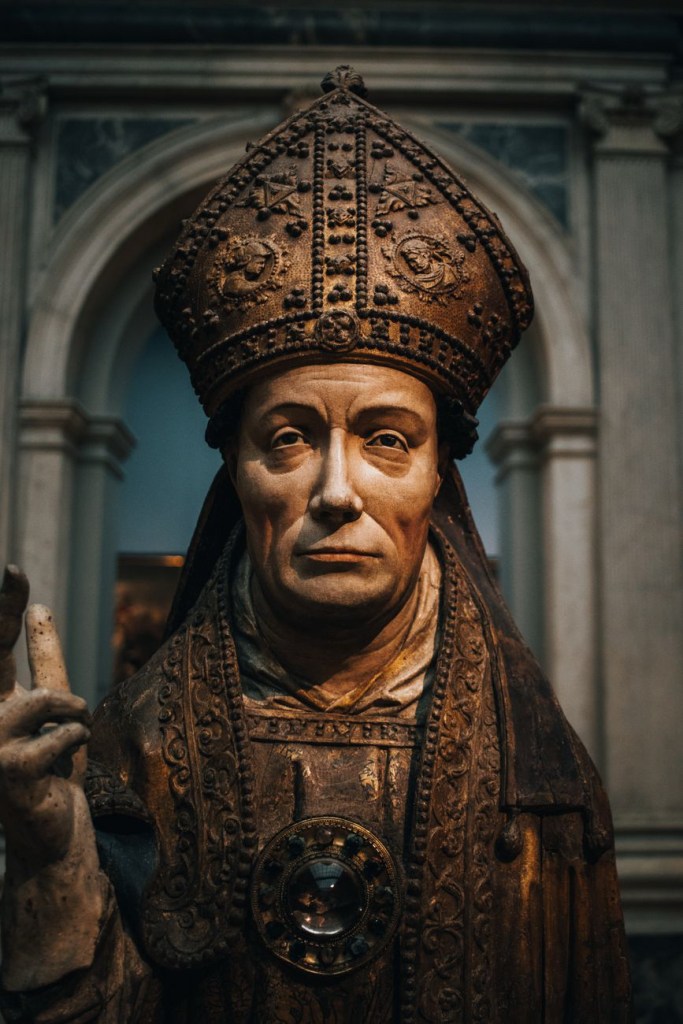
According to Thomas Aquinas, judgments that take a reasonable form, but are aimed at evil ends or that use evil means, are considered to be examples of “cunning” and “false prudence”. This may be the Achilles Heel of prudence in modern life. If a person knows the right thing to do and instead uses their discernment to take advantage of people or for personal gain,that is the opposite of prudence. Prudence is moral. Cunning is amoral. Prudence cannot be outsourced. Prudence is not simply financial accounting or the answers from an algorithm.
Prudence is deeply personal and may not always be understood by those who hold different moral imperatives. In 1793 George Washington kept the U.S. out of the war between England and France. It was a prudent decision as the young country was too weak to withstand another war. Nevertheless it was crushing to French allies who had given much to help the Americans. Was the decision good for America? That is without question. Did it seem like betrayal to the French that fought for American independence? Certainly.
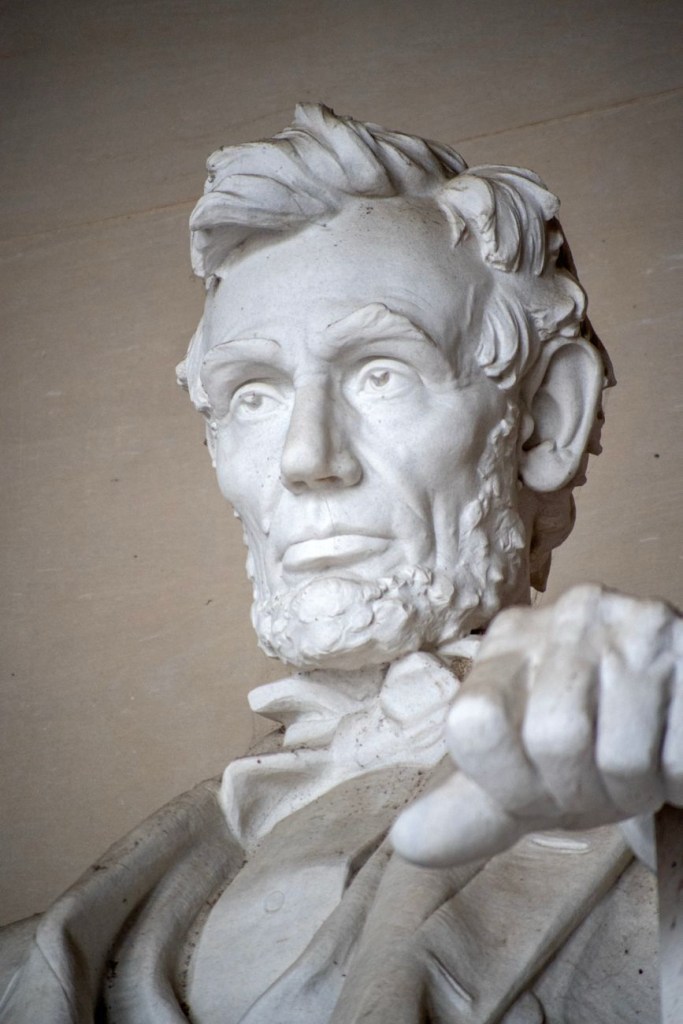
When Abraham Lincoln made the Emancipation Proclamation, he withheld timing until he had won at Antietam, and even then it only freed slaves only in places of active rebellion (technically where he had little to no control). Was his a heroic and prudent choice to set freedom in motion without disrupting allies? Was it Constitutional overreach? Did he sell out of human rights to political expediency? Sometimes what looks prudent from a long view makes no sense to those only looking at the present.
Prudence is a deliberate act of creating space between your immediate impulses and your subsequent actions. To be prudent is to seek wise council and deliberate. The prudent remember past experiences, seek input, and acknowledge their own blind spots. They exercise sound judgement and evaluation by conducting analysis. This could include cost and benefits, or asking themselves if it is true, good and kind. They look to the future and think about what happens outside of immediate gratification. They choose the timing of action to optimize success. They follow through on commitments and take measured risks.
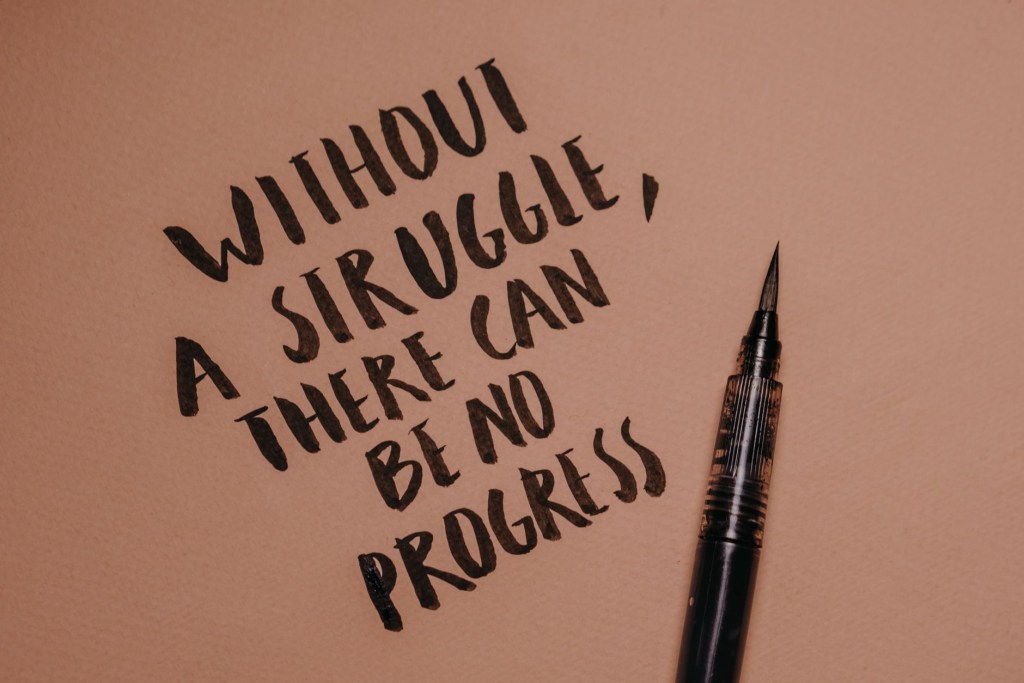
Prudence isn’t easy. It takes mental work. It isn’t distracted. It isn’t narrow. It is attentive and alert. It is focused on a successful and moral future. It looks beyond emotion and comfort. It is rational and comprehensive.
In my humble opinion, “we need to be more prudent at this juncture”. Okay, you have to admit this would be funny if Dana Carey delivered the line. Use your imagination. If you aren’t old enough to remember Dana Carey there is always YouTube.

