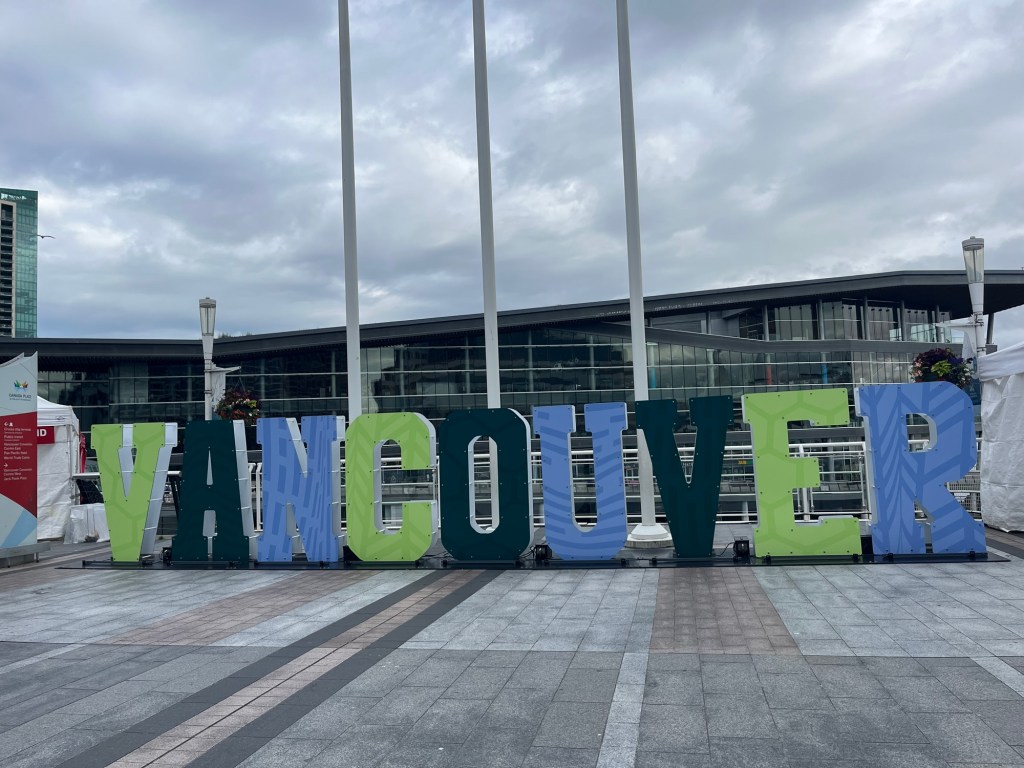
Vancouver is grittier in person than the travel photos would lead us to believe. It is hard to explain because the city is clean. It just seems tired, like my first look in the mirror after I wake up. Older but not ancient. Capable of looking better with a little makeup and accessories. Good bones and a great backdrop.
It is buzzing with people (it is World Cup week so this might not be typical). But the pace seems relaxed and the locals are neighborly. Canadians are just nice. Everyone who exits public transportation says, “Thank you driver”. Every one. Every time. This is not the norm where I come from. It should be.
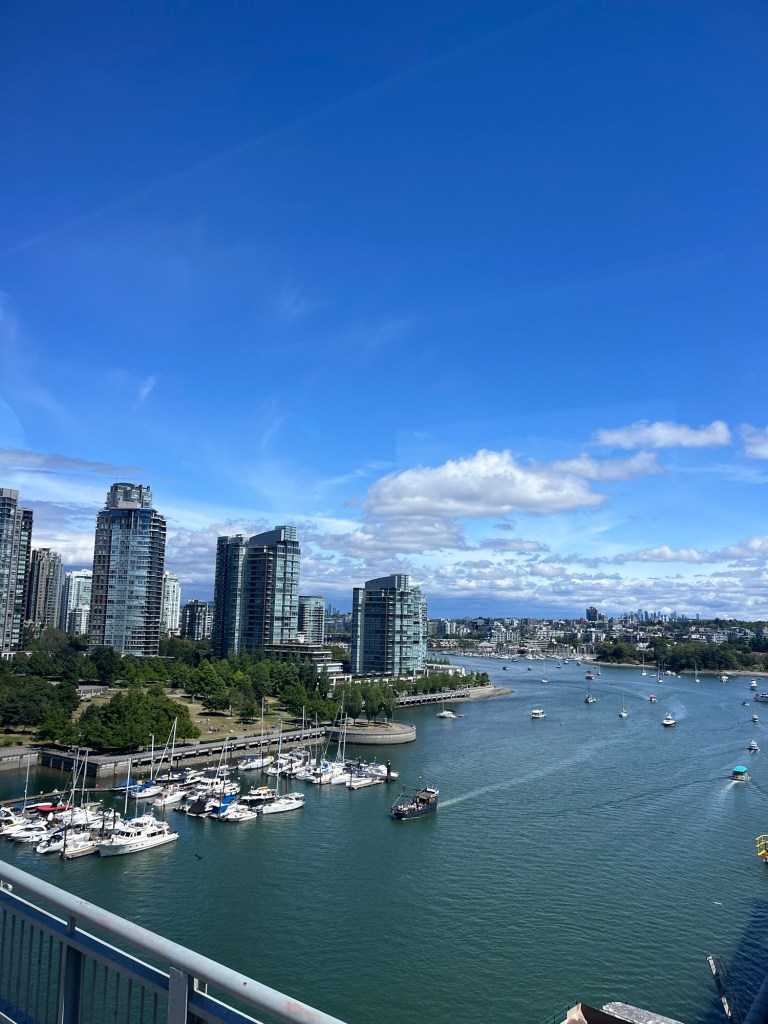
You are never far from the water. English bay, Vancouver Harbor and False Creek provide plenty of coastline for waterfront property. It is easy to lose yourself in the blue sky and green water. Especially for this landlocked Midwestern girl.
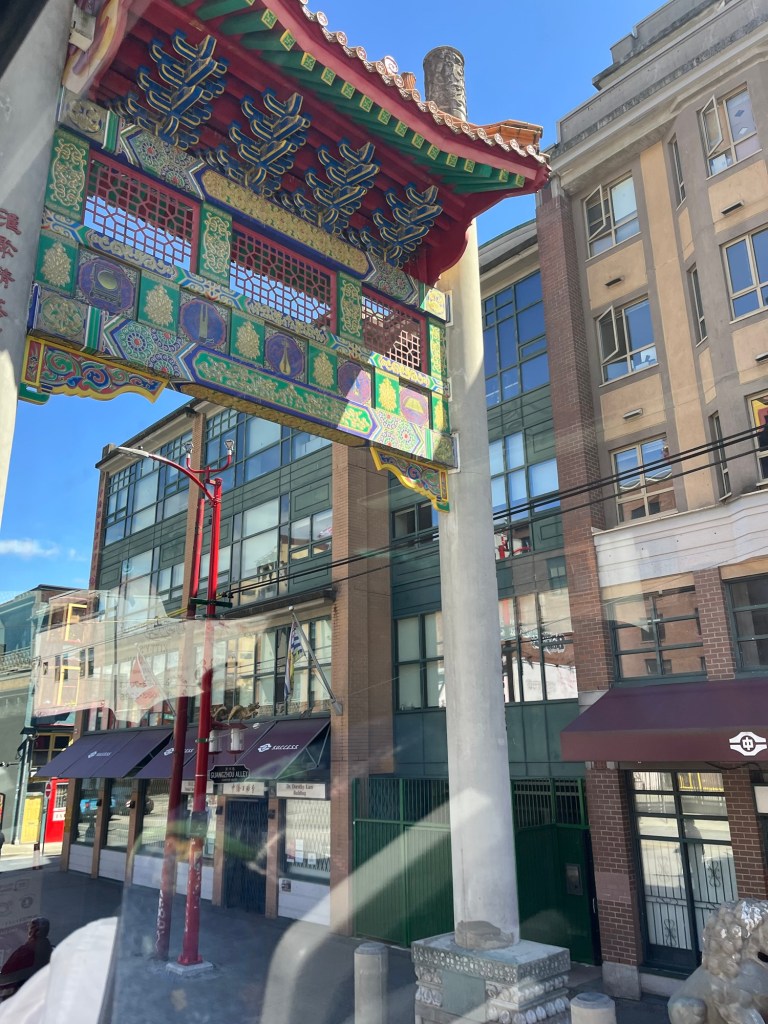
Vancouver is diverse. There is a large Asian population, including the largest Chinese speaking population on the North American continent. In addition to first people groups, British, Irish, German, South Asian, and Filipino communities also shape the core cultural fabric. About 52% of residents speak a language other than English as their first language at home. I love the cosmopolitan feel of the city.
Side by side, people from all over the world call Vancouver home. There is no panic and no dividing walls; just a celebration of diversity, a solid work ethic, and the value of humanity. I can see the differences in cultural composition as we walk through a variety of neighborhoods but never feel out of place. This is a city that works on overcoming racism and poverty. Not always successful, but always vigilant.
The city isn’t perfect. There are over 2,000 people without permanent shelter in Vancouver. We had encounters with people sleeping in doorways and train stations. I was startled by the way Canadians speak about their unhoused population. They spoke with care and concern. I was told several times that “they aren’t dangerous”, “they haven’t been successful”, or “they are unfortunate”. There was a different tone.
Our first time riding the bus, an old woman wearing mismatched clothing and mittens walked in front of the bus. She banged on the door. The driver let her on. She did not pay. She sat down near me, talking to herself. Perhaps she was talking to me. Whoever she was talking to, she was animated. She rode for many stops, resting and then talking some more. She abruptly got up and got off.
No one raised an eyebrow, though she was clearly unhoused and disoriented. People gave her space and a smile. The driver called her ma’am. I was a little embarrassed at my first reaction (which was to think of myself and my discomfort, and not her very real needs). I watched the people around me and I noticed a different reaction, perhaps more empathy. The world could use more empathy. I should use more empathy.
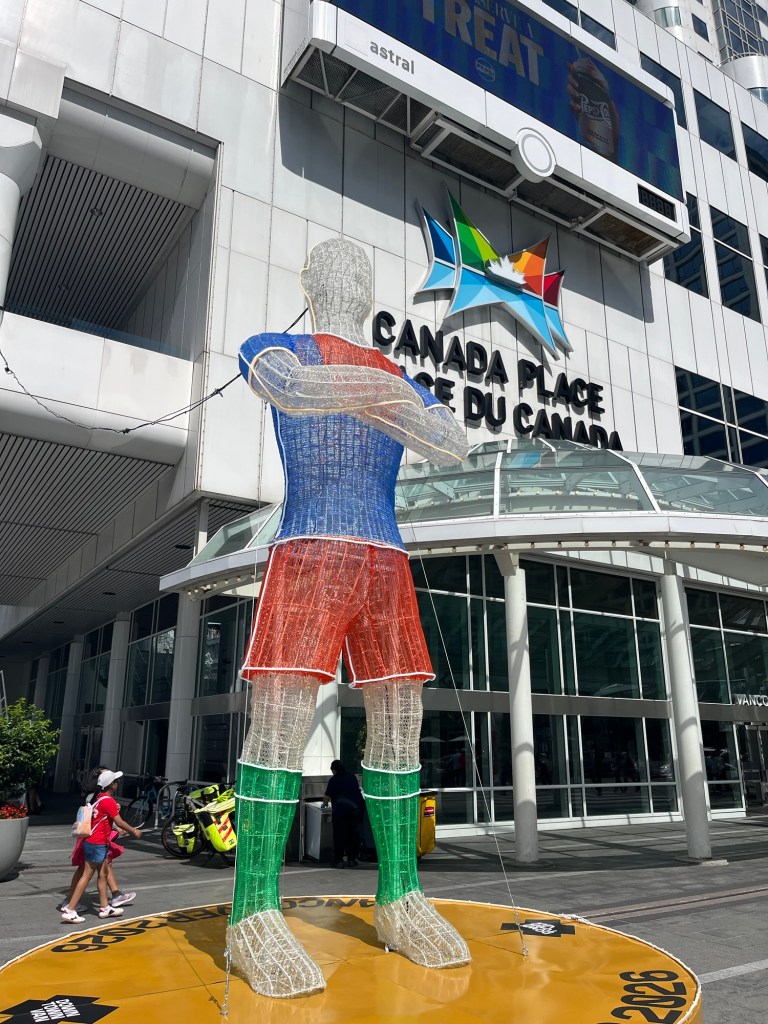
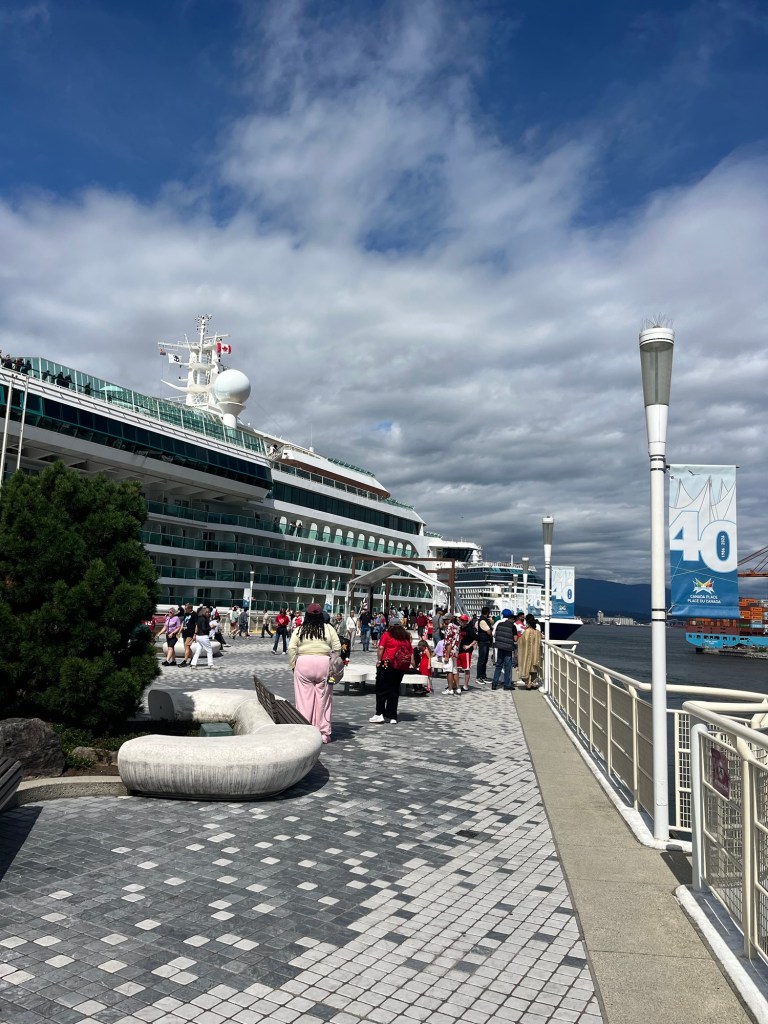
Vancouver is a tourist town in the summer season. Downtown, Canada Place is the hub of tourism activity. Between 10,000 and 14,000 people pass through the cruise terminal on any given day in cruise season. Even so, it rarely feels crowded on the pier (inside the cruise processing center things may be different, only time will tell).
It is a great place to people watch. It is a great place to watch boats and ships on the harbor. It is also a great place to watch sea planes land and take off to parts unknown. A modern transport hub in a beautiful setting. There are restaurants and shops nearby. I am particularly fond of the 1.5 mile harbor walk from Canada Place to Coal Harbor.
Since we are only here for a few days, I don’t have my finger on the pulse of the city. Our adventures have been concentrated downtown or in Stanley Park. Our days have been low key. The city is safe and clean. The venues are welcoming. The people are relaxed and accepting. I would say Vancouver is a lifestyle. It has its own unique character. Unfortunately, we won’t be here long enough to truly understand it. Tomorrow we head North to the Yukon.
 Prisoner of Hopes