Kanazawa is a city of surprises. We have already toured a castle and a garden. Now we are on a bus in search of one of the geisha districts. I am actually not sure what to expect. I have only seen movies and read books about feudal Japan.
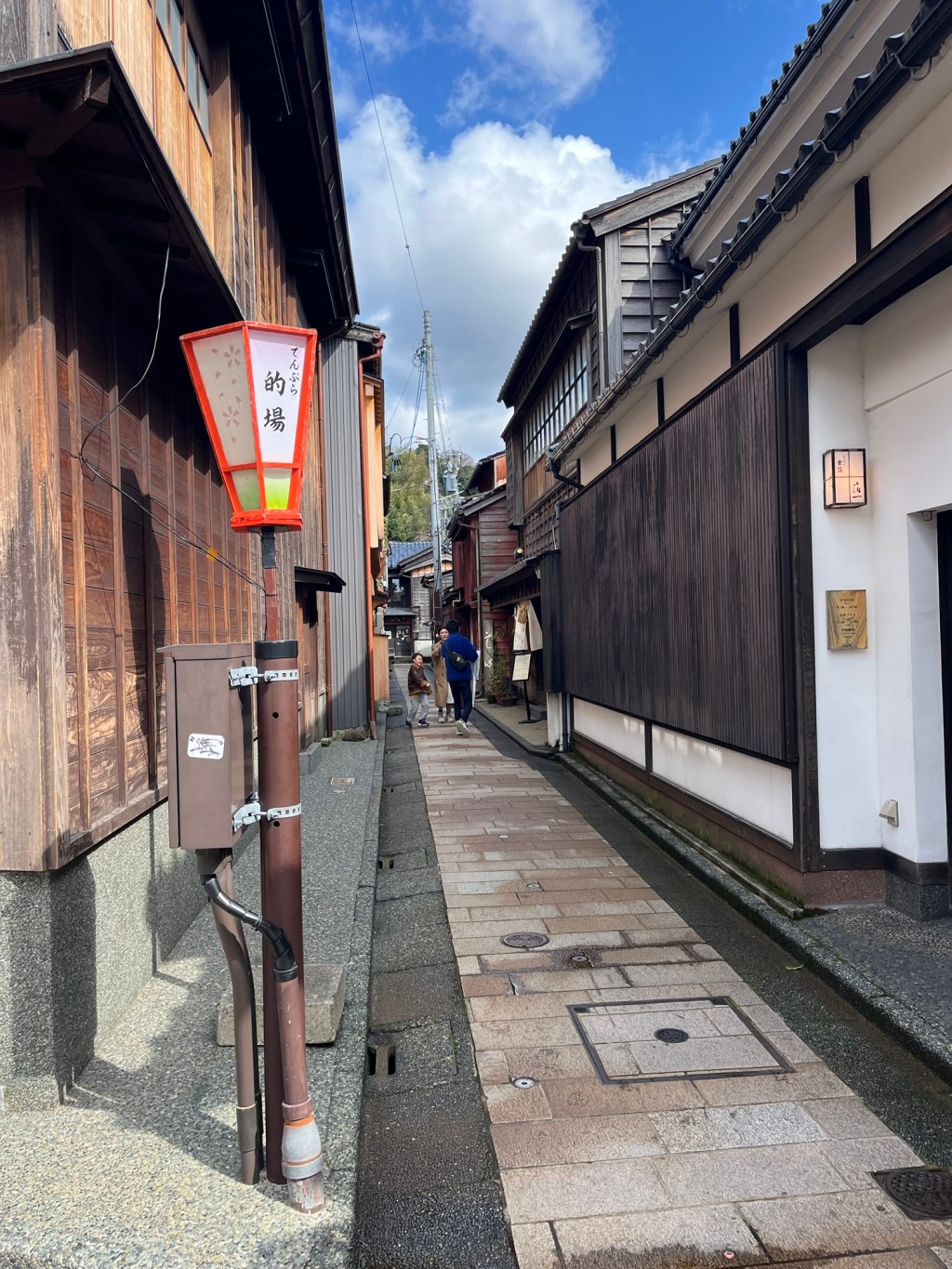
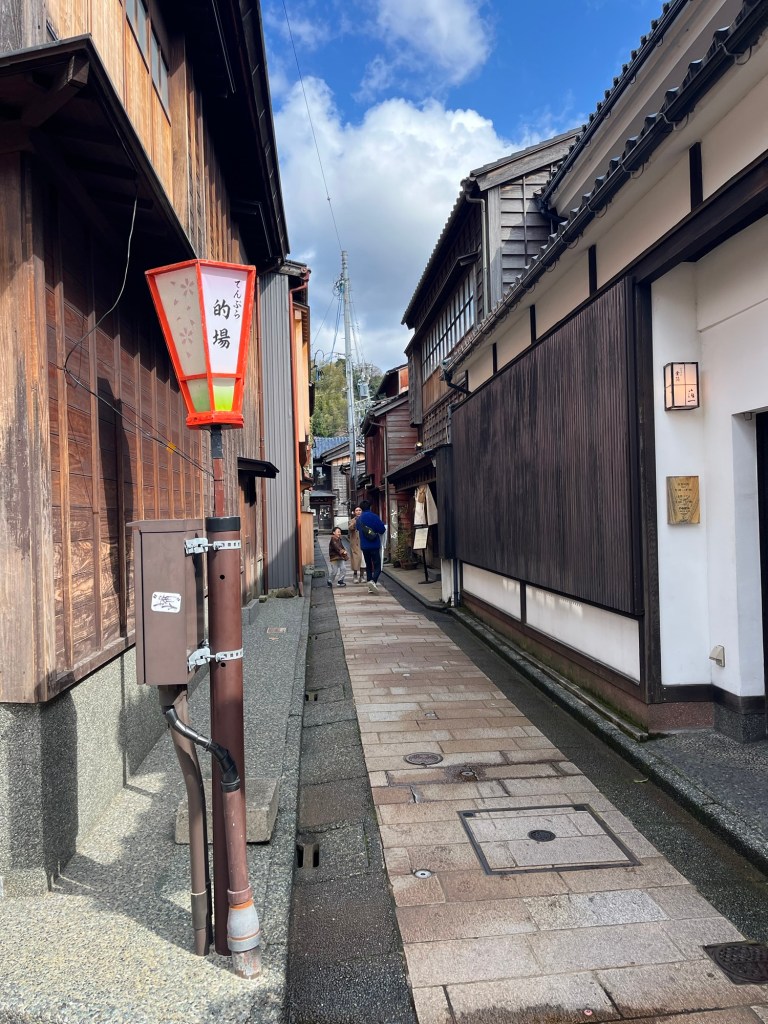
The bus stop is on a non distinct corner. We follow the map to a row of buildings and walk behind into a whole other world. The streets are narrow and the buildings are closed up tight. Privacy is foremost in the geisha quarter.
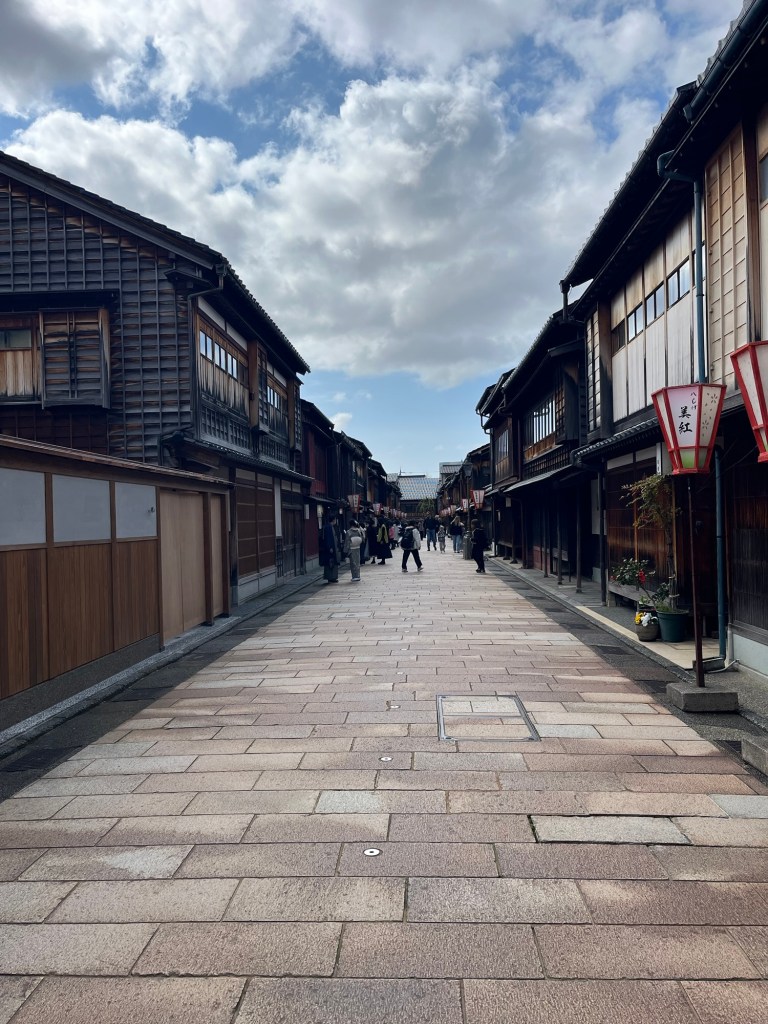
Today there are posters for a geisha show. Some of the buildings are now restaurants or shops. We walk through the narrow streets and duck through low door ways into cramped shops.
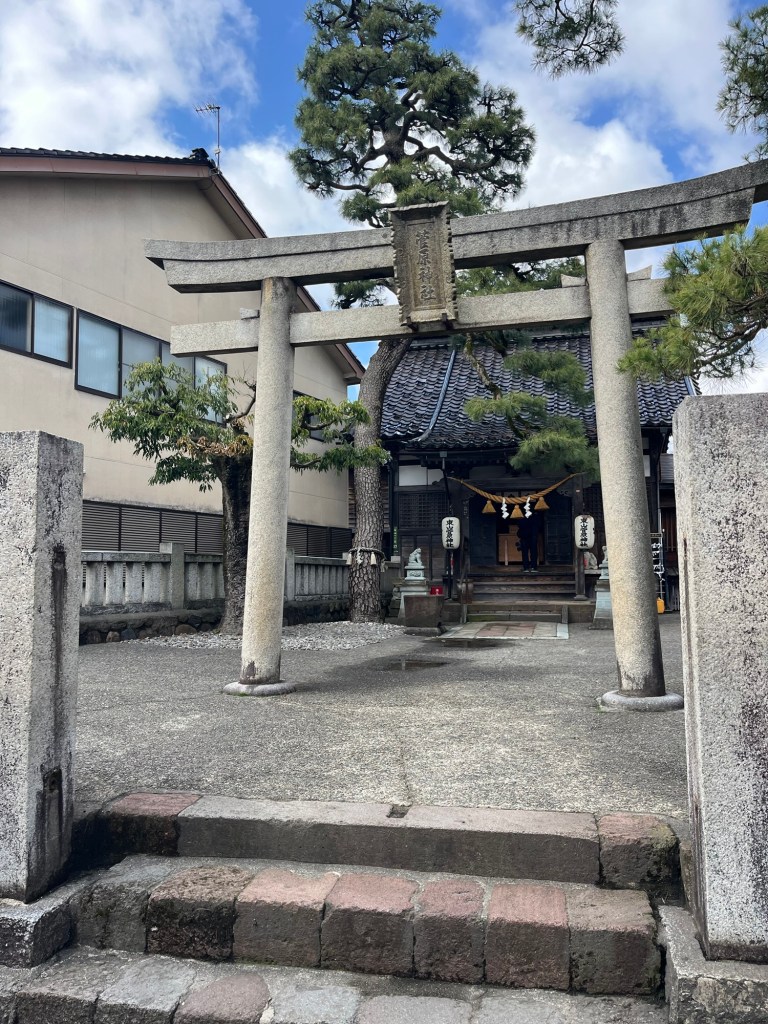
At the edge of the quarter, we find a temple. The Tori gate is made of concrete. It appears to be a local site in active use. I take a quick peak inside. But we decide we have just enough time to visit the samurai section.
We take the local bus across town and walk through the old samurai quarter. The houses are ancient and often hidden behind high gates. But one of the oldest houses is open for visitors. We pay a small fee and step into another world.
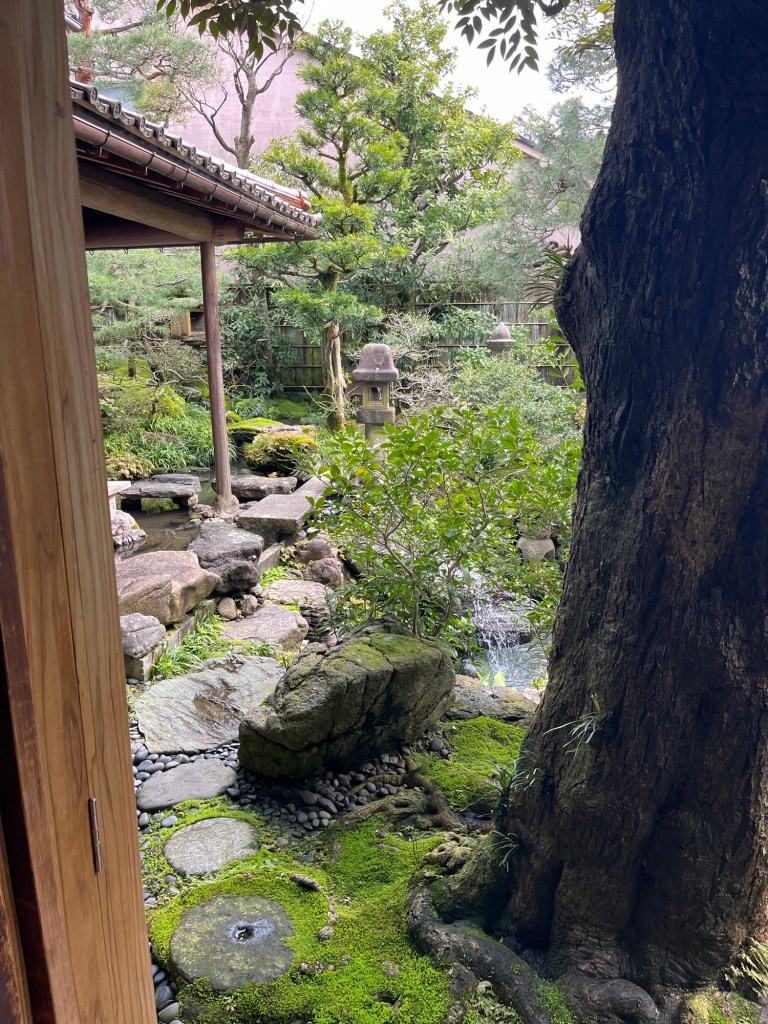
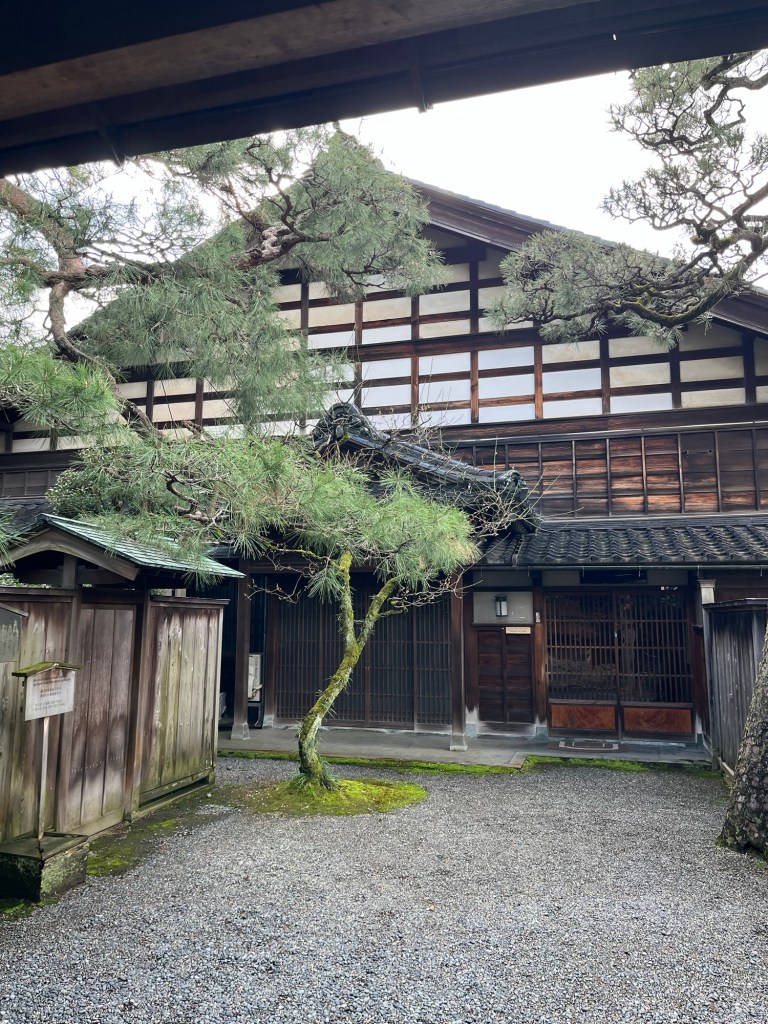
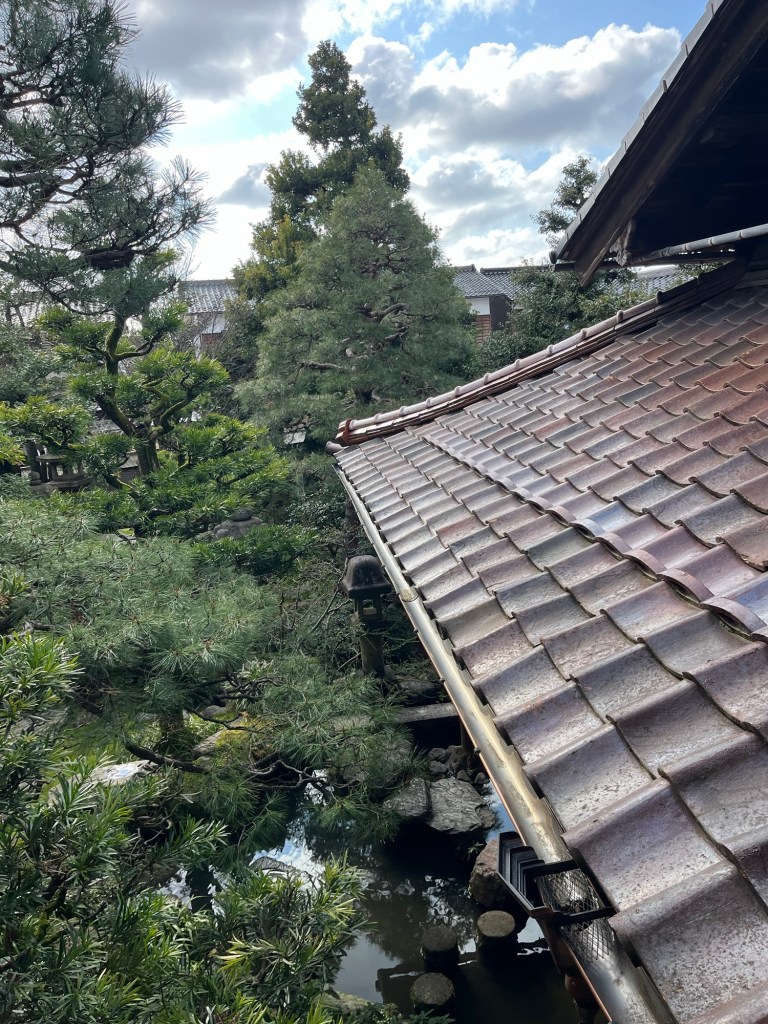
The house is not large, but the walls open into beautiful outdoor spaces. They have managed to bring the wonder of the outdoors into the design of the house. Each view is more magical than the last.
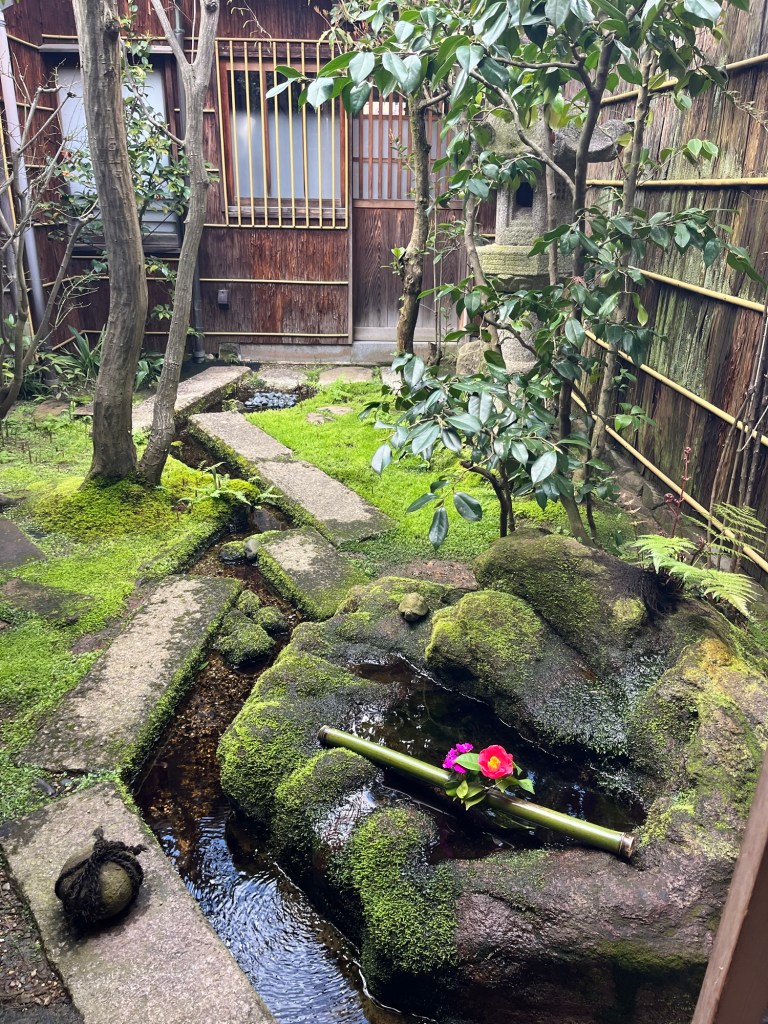
I appreciate the sophisticated landscape design. The physical space is not large and yet the senses feel expanded. There are ancient pines, green moss, and water features. Delicate flowers are carefully placed for impact.
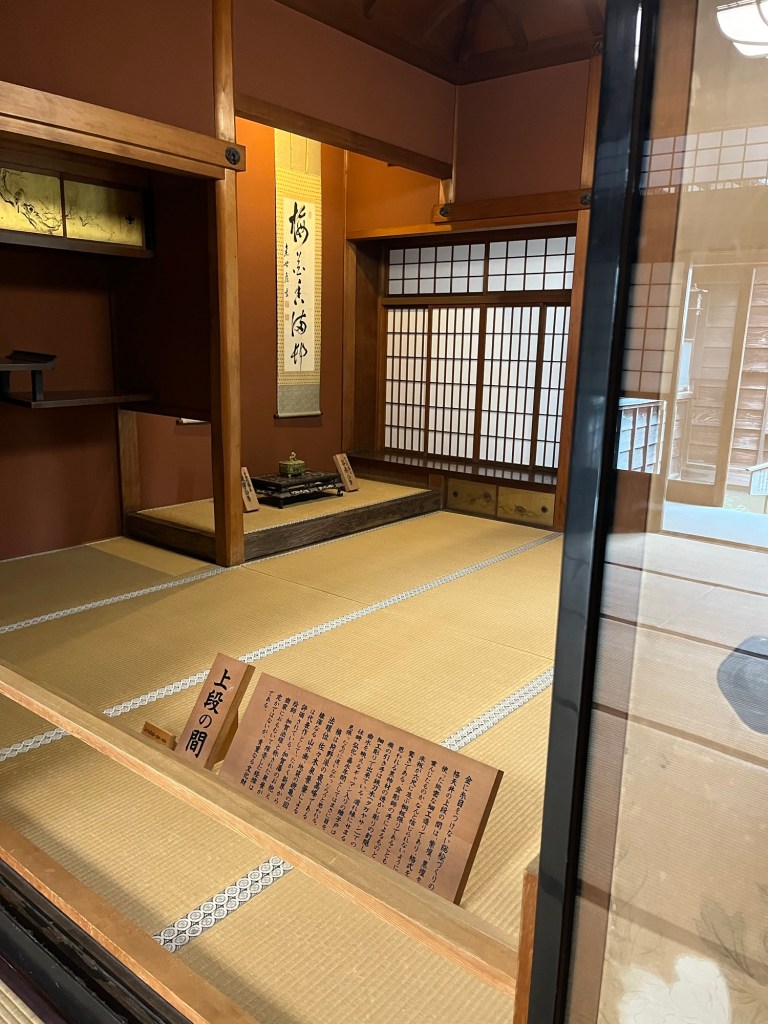
Indoors, delicate paper walls can be moved to create larger rooms or sub divide them into small ones. Tatami mats and family scrolls lighten the dark interiors.
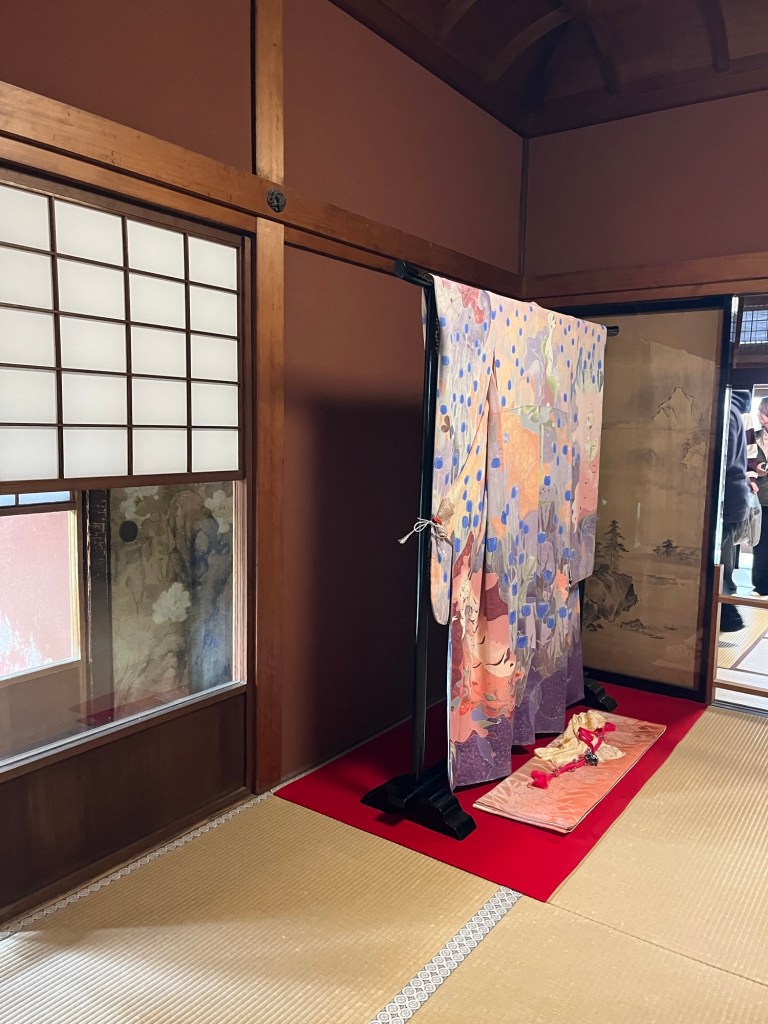
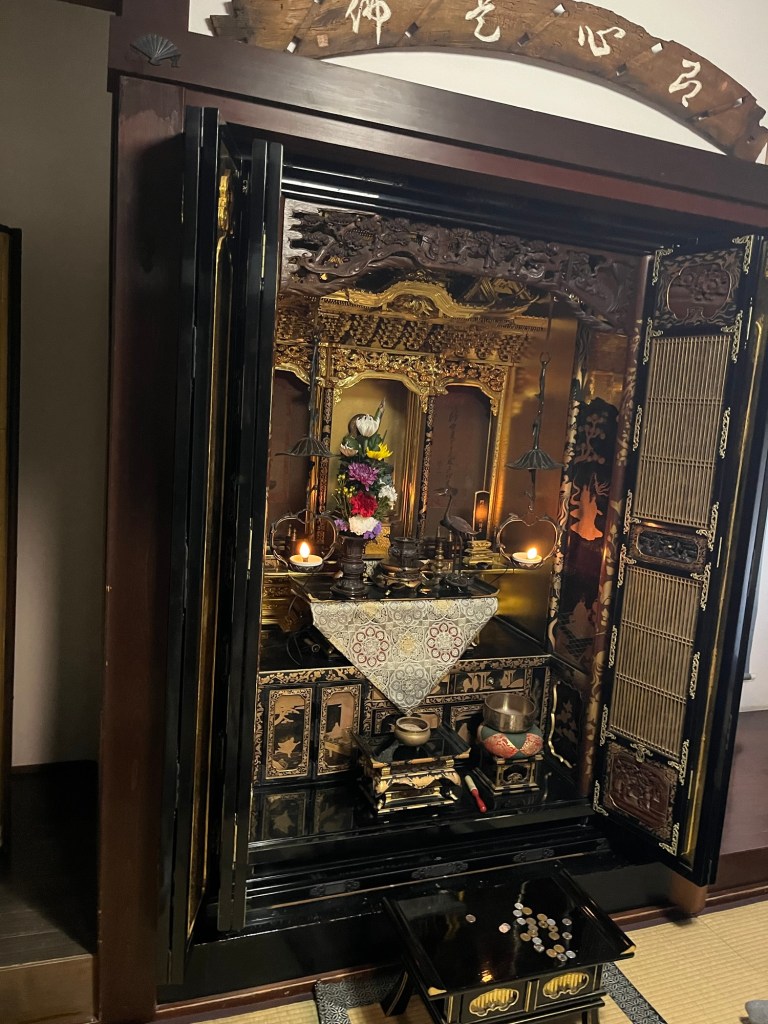
Beautiful kimono hang on display near the family shrine. Made of dark lacquer with pearl inlay, the shrine conveys the wealth and power of the household.
I learn that the Nomura-ke samurai house has been in the Maeda family for eleven generations. The samurai were the security force in the region during the Edo period.
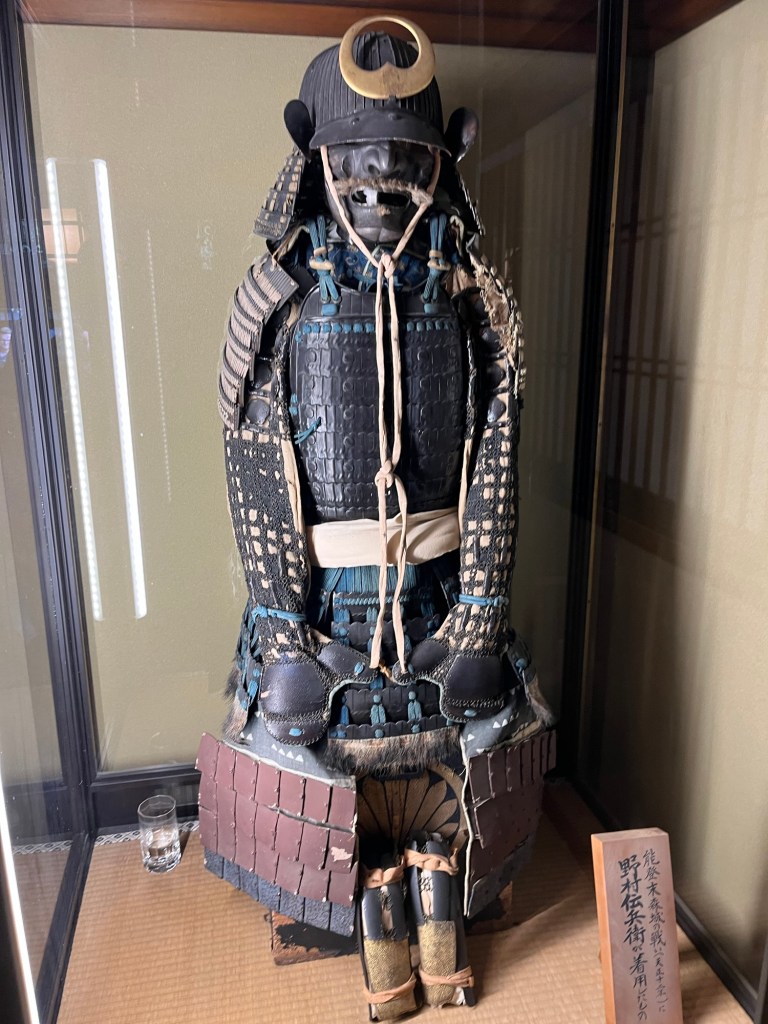
A small side room holds authentic family heirlooms, including samurai armor, katana swords, and historical letters from warlords. I once again get a giggle from the walrus mustache on the armored helmet.
Unfortunately, it is time to head back to the train. Kanazawa has been a delight. The juxtaposition of natural beauty and artistic appreciation (gardens and inner courtyards ) with warlords and militaristic fortress (castle and walled gates) is obvious. I can’t reconcile the warrior/poet because in my country the two don’t often coincide. The samurai district proves that in Japan, warriors sought beauty and tranquility in everyday life. I find I am returning to Tokyo a little more reflective. How can I take more time to appreciate simple pleasures? The lesson of Kanazawa is that it is possible even in war and even in the smallest of spaces.