-
Nature’s Cathedral: Travel Goals
There is something magical about authentic encounters in nature. I am never more aware of God and moved to worship than when I am surrounded by the natural world.
Walking in the early morning woods while the dew is still heavy on the leaves. Watching a deer silently follow me along the trail. Viewing the perfect sunset. I count these encounters as some of life’s great privileges.

In a recent trip to Australia, I was humbled almost daily. The majesty of the ocean was ever near with rolling waves and endless blue. The impressive kauri trees stood like giant sentinels in a Jurassic forest. Wild flowers meandered at waters edge and in countless gardens.

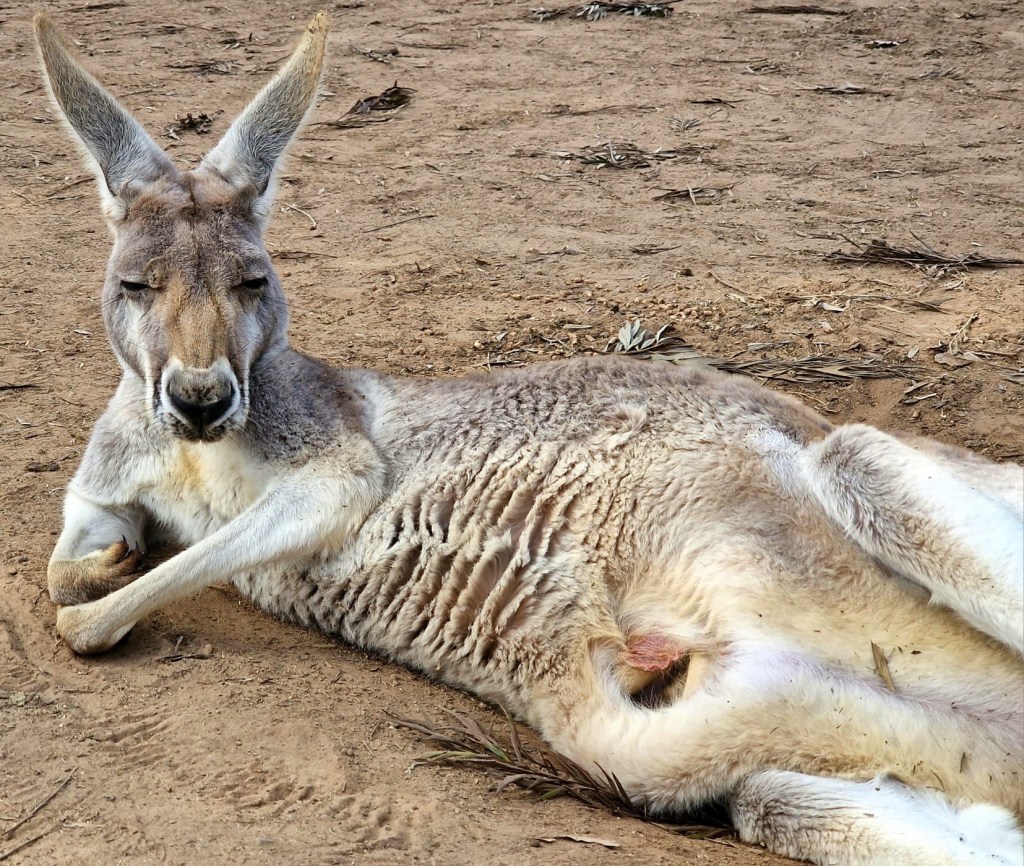
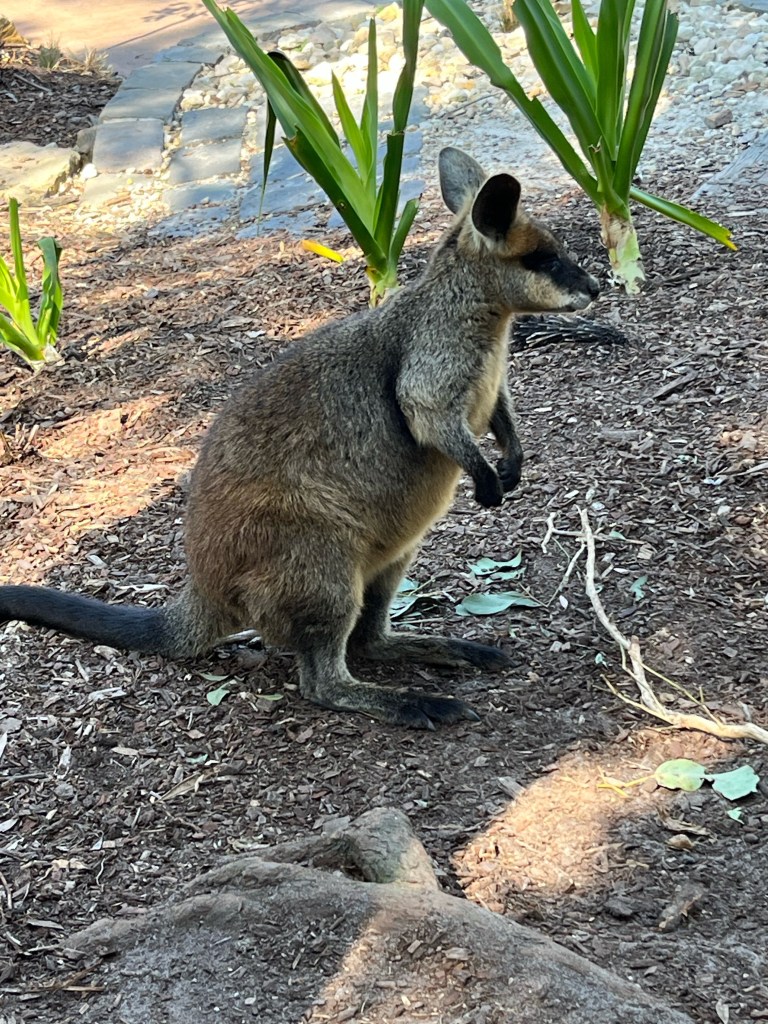
The animals stole my heart. The first time I saw a kangaroo laying casually in a hollowed out patch of dirt I felt giddy. They were less impressed to meet me. In fact, I don’t think a single one even turned its head to acknowledge my presence. No matter. I spent the next several weeks watching for them and getting excited when they were near enough to see a Joey in a pouch. I laughed when they hopped into sight of the train or bus window.
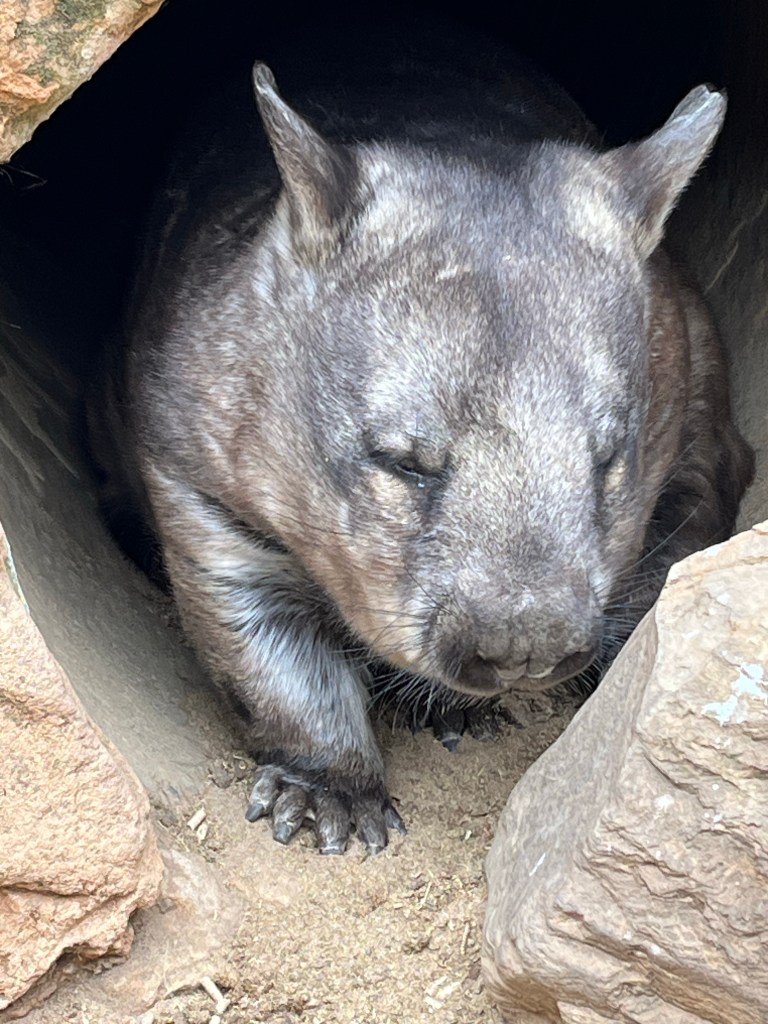
My love of wombats started in Australia zoo. In the early morning, at zoo’s opening, we stumbled onto the zoo keepers moving the wombats into the day enclosures. With tiny step stools and a leash harness, the wombats were loaded into wagons and transported to their grassland home. It was love at first sight. I encountered wombats several more times in Australia and each time I lingered longer as the tug on my heartstrings increased.
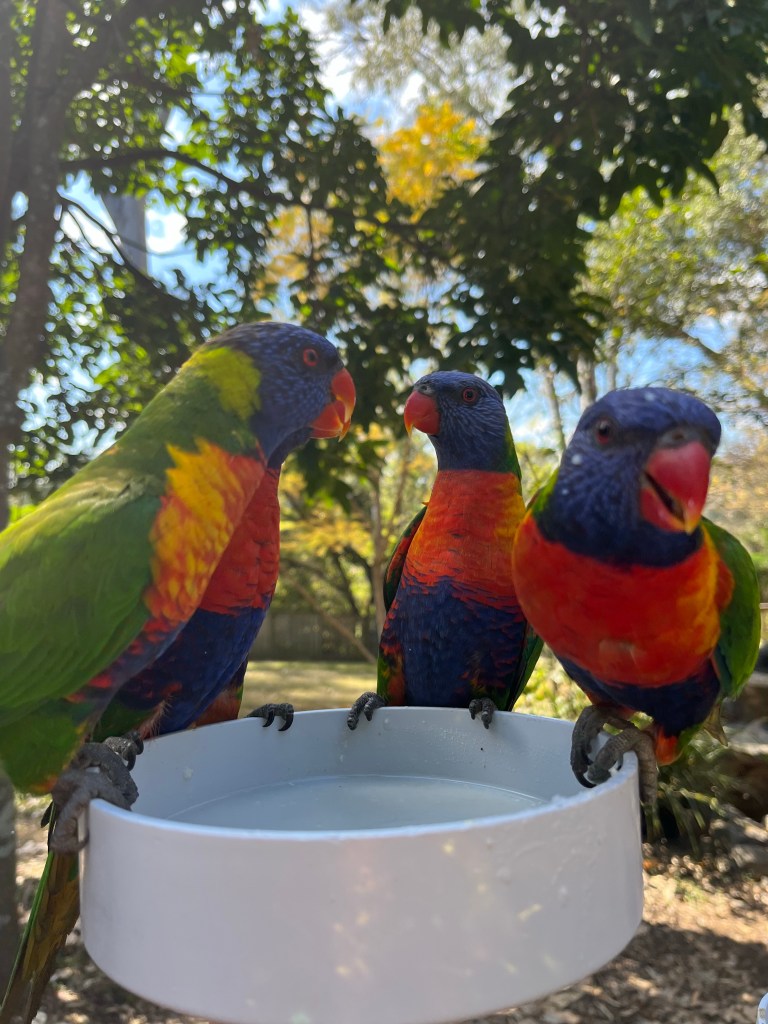
I also love birds. Luckily, Australia was full of them. Cockatoos, parrots, lorikeets, budgies all flying free. They would swoop down to visit and to see if I had anything good to eat. Hand feeding wild birds is extraordinary. Hearing a kookaburra or a butcher bird singing on the electrical wire outside the apartment was the perfect alarm clock. I counted it a privilege each morning to hear the many songs of my morning visitors.
Birds weren’t the only things in the trees. Thousands of flying foxes lined the park. Silently gliding through the air and hanging upside down from the trees. They made a lovely walk through the park even more interesting. What a privilege to share their world for a little while.

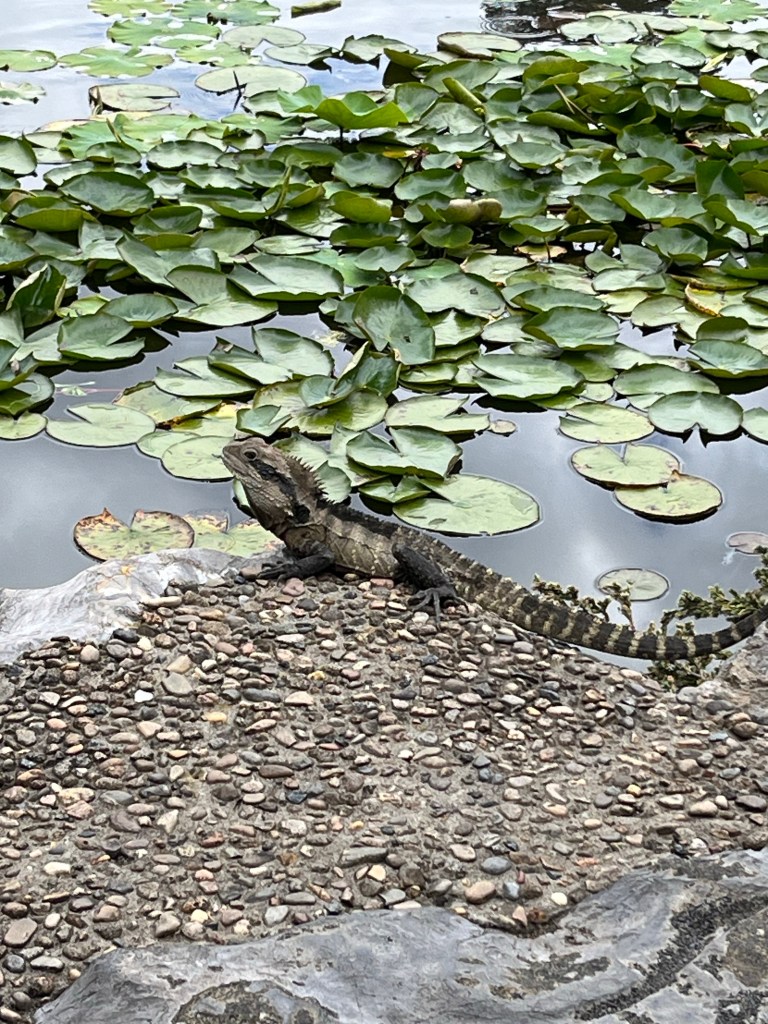
The parks with water features were also full of water dragons. Lazy creatures stretched by the water, they moved surprisingly fast if disturbed. It paid to watch where I walked. Otherwise we both would be startled.
Planning for Australia, I wanted to see a quokka, a rare little mammal that only lives on an island we unfortunately weren’t visiting. Lucky for me, the wildlife preserves we visited had quokka. They are curious, cute, and friendly. Sniffing and testing, the quokka ate from my hand while telling me a story in faint noises. I don’t speak quokka, but perhaps he understood my heart.
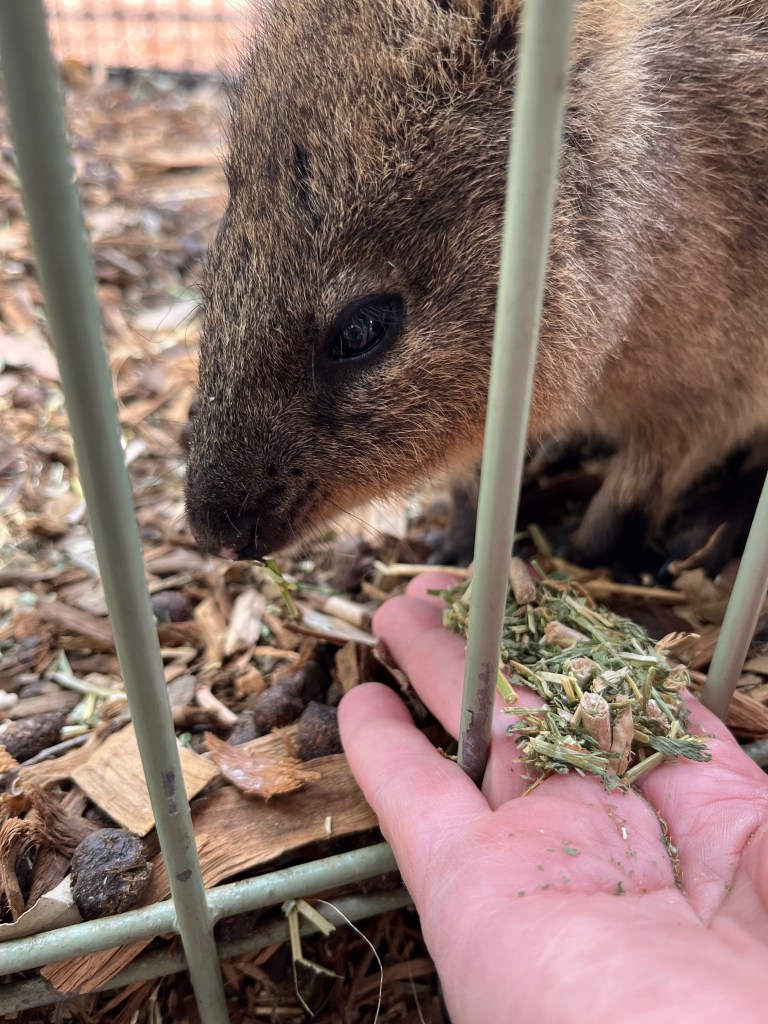
During our time in Australia, I was surrounded by birds, followed by wallaby’s, and even held hands with a pademelon (at his insistence). But nothing compares to finding koalas in the trees. Our first encounters were in zoos and sanctuaries. Once we learned what to look for, they were noticeable in the trees near subdivisions, highways, and parks.
At a sanctuary, I held a koala. Once safely in my arms, he reached out to return my hug. I was in heaven. I realized that I was responsible. I was charged with stewardship. He spoke to my soul about creation. He snuggled in and gently held onto my shoulder. Soft and smelling of eucalyptus, I didn’t want to give him up.
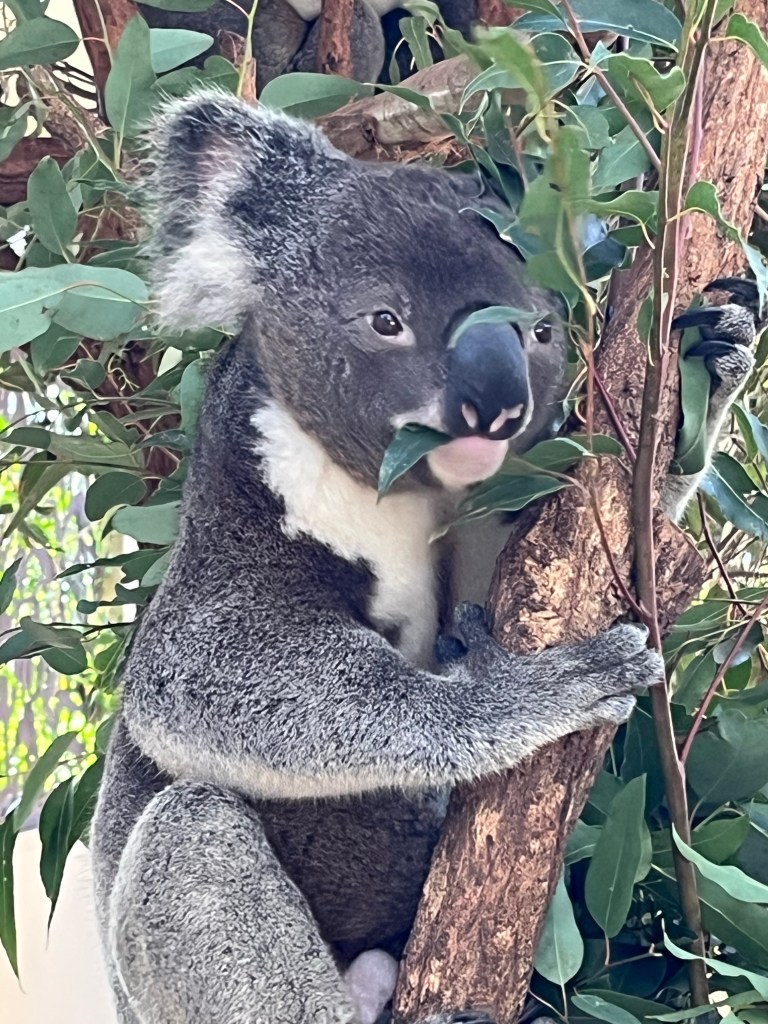
Each koala encounter was special. I also bonded with a young koala that I named Howard. He was curious and would follow my movements, even coming down out of the tree to get a closer look. Others were shy and would move further back in the leaves. Most would simply find a high branch and fall asleep, blissfully unaware of the dangers around them.
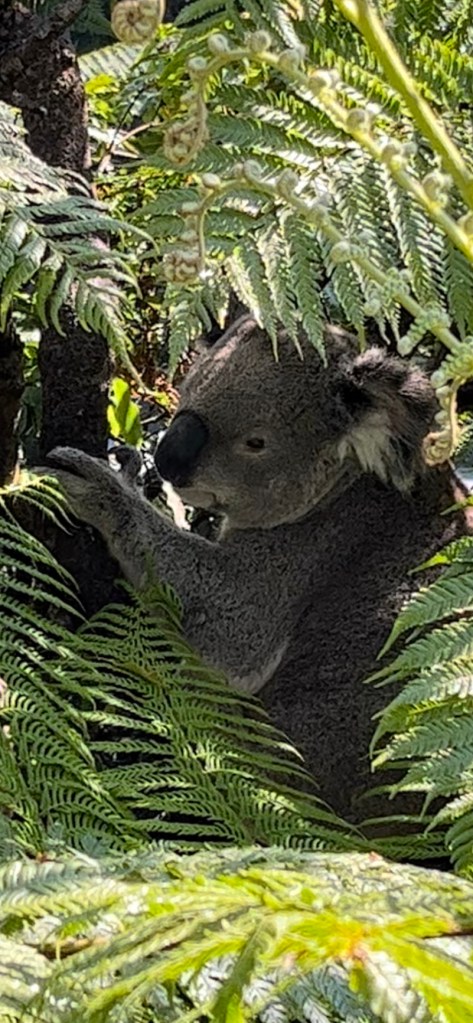
Sometimes the contrast between the idyllic settings of untouched forest and city life is jarring. Koalas were injured by dogs and cars during our stay. We met some incredible stewards who work really hard to protect the koalas and other wildlife from individuals who are so busy with progress that they can no longer see the treasure they risk losing out of greed and speed.
In a moment I will always remember, we were invited to witness the release of a koala who had been nursed back to health after a close encounter with a car. We held signs asking people in the park to be quiet. We had to ask people to put leashes on their dogs, even though it was already the law. We watched as the crate carrying the koala was placed next to a tall tree at the edge of the park. Once the crate was opened, the koala shot up the tree to the highest branches, happy to be home.
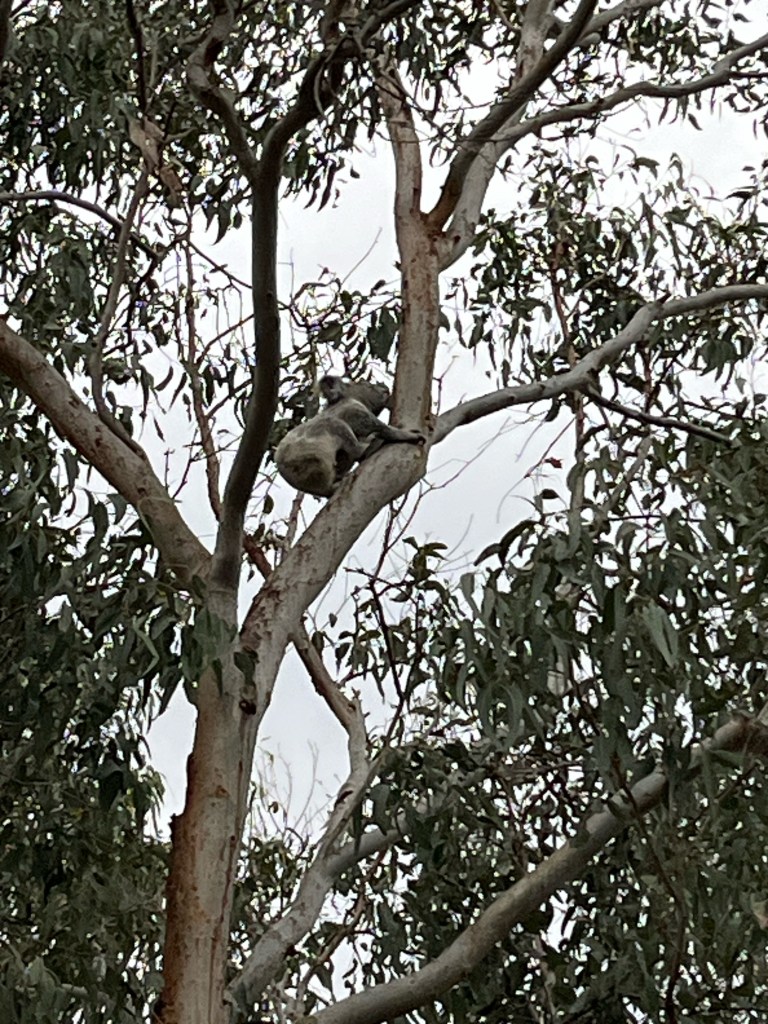
For the Beauty of the Earth…..for the Glory of the skies….. The natural world is a cathedral where I am called to look higher than myself. In it, I am reminded that there is beauty and joy. I am charged with stewardship. I am whole.
-
The agony and ecstasy of air travel: Travel Goals
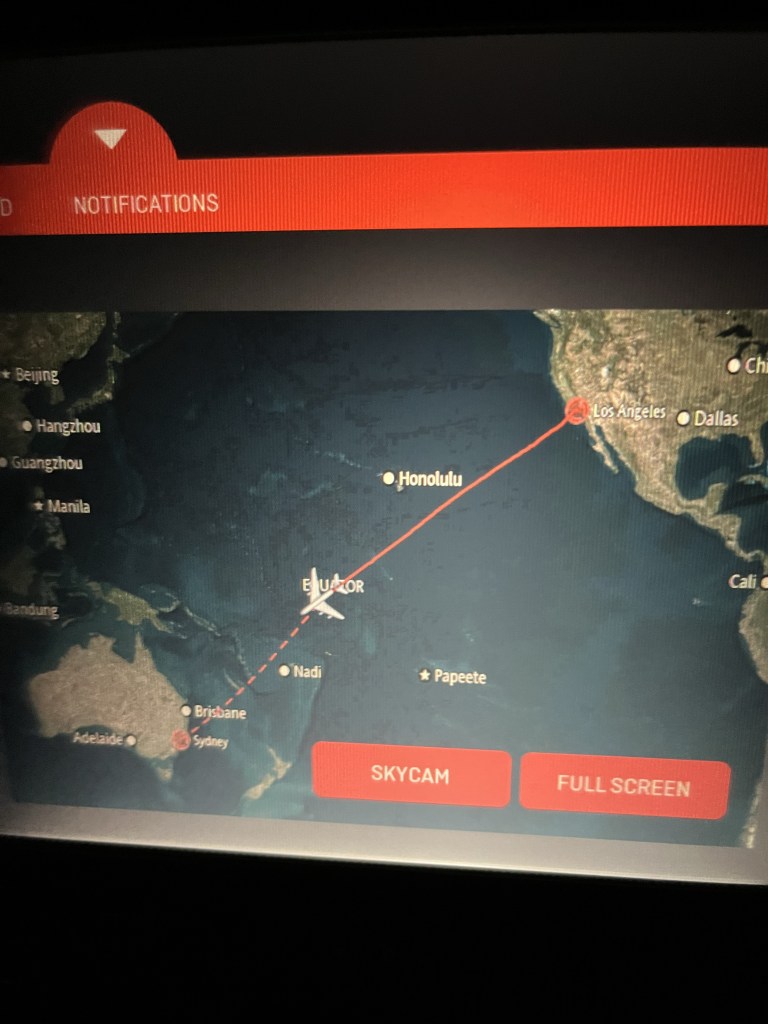
I have a love hate relationship with airlines. I love to travel. There is nothing that can beat the feeling of being on a jet that is taking off and knowing that your next stop will be halfway around the world. I love having the time to watch multiple movies that I somehow never got around to watching as we sail through dark skies over an endless ocean. I love friendly flight attendants who offer you beverages and snacks. I even love the challenge of juggling the prepackaged meals that you are served in coach. It is like playing a game of Jenga to see what you can open and eat without knocking to the floor.
Although I find the flight experience itself enjoyable, I hate travel days because I hate airports and I hate the myriad of obstacles that always pop up throughout the day. My husband and I disagree on when to arrive. He likes to arrive at a later time. I like to follow guidance and arrive early, because rushing to catch a plane makes me anxious and missing a plane makes me furious. There is no good solution because the airport experience is unpredictable. No two airports operate the same and yet employees at each airport are clearly frustrated when passengers don’t know the “way it works” in a particular airport. What is too late on one day, may be way to early on another.
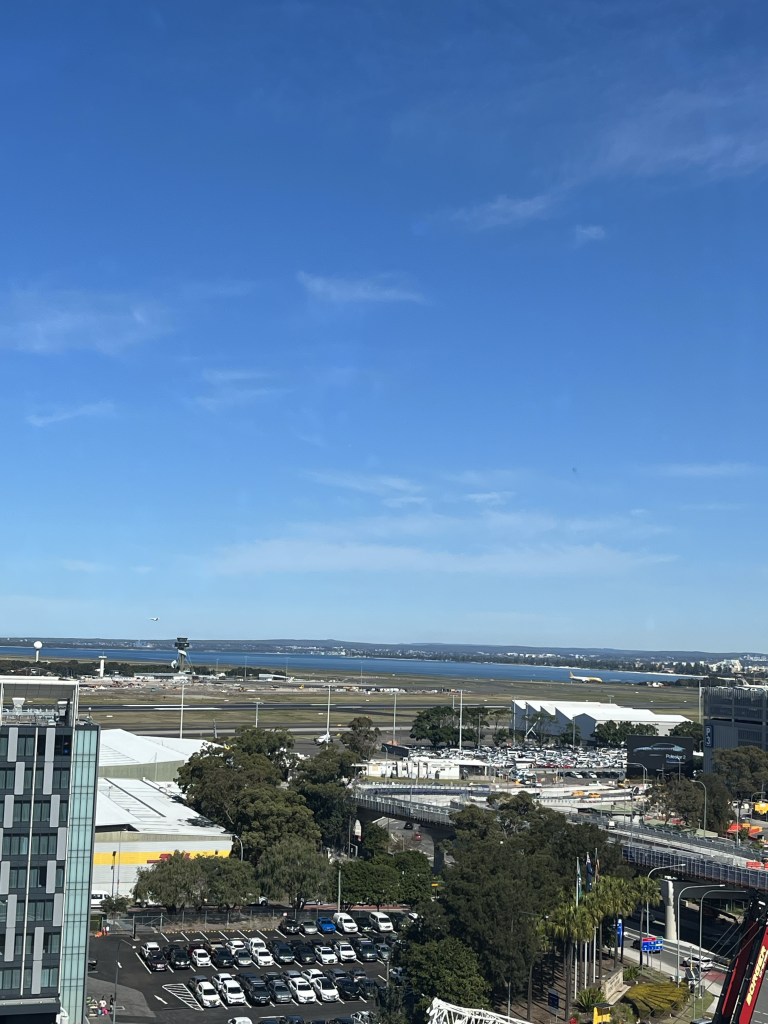
Sydney airport from the roof of the Citadines Hotel Sydney On our latest trip, we had a full range of airport experiences. In St. Louis, we were happily checking in for our flight using a self check kiosk when my husband noticed that our flight was delayed 50 minutes. This meant that we were unlikely to make our connecting flight in Los Angeles to Australia. We went to the service counter where the agent suggested that we have a gate agent in Los Angeles rebook us on a flight for the following day. They told us we had the last American flight out for the day. I politely asked if there was a code share flight with a partner airline leaving later. The staff in St. Louis were so helpful in finding a Quantas flight that we could join and still arrive on time. They took the time to listen and problem solve to get us where we needed to be and I was grateful.
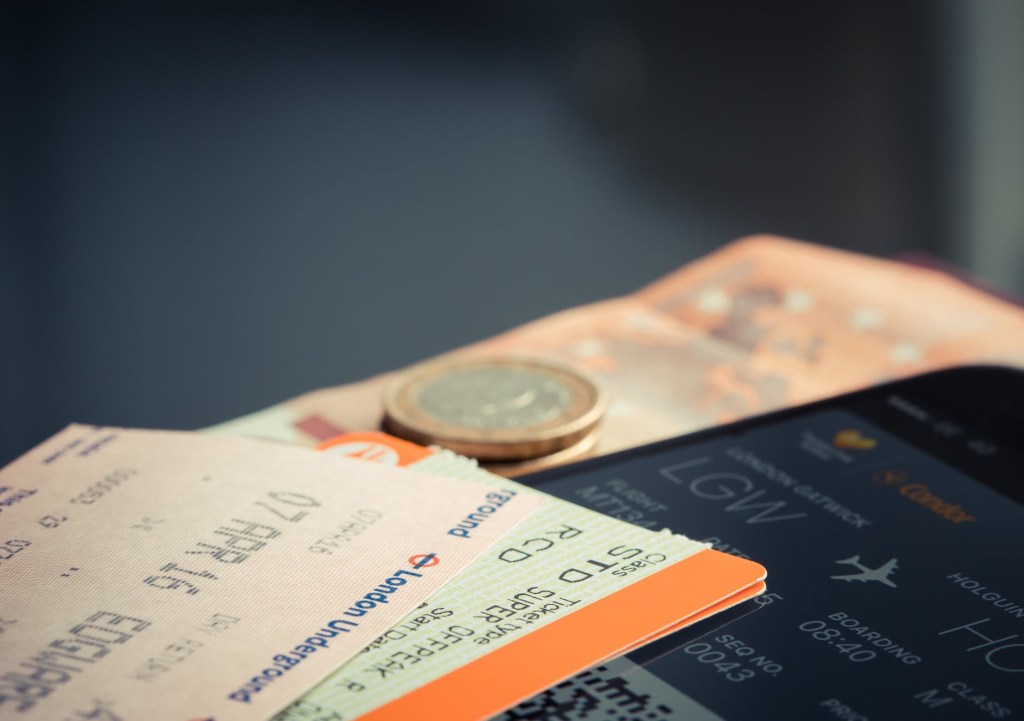
Problem solved, we headed to our gate. Even though the flight was delayed, I was able to use a flight tracker app to see that it was arriving ahead of its estimated arrival time. We were one of the only flights departing the terminal, yet we had no gate agent. The plane was arriving and no one showed up to deal with passengers. People were circling the counter looking for someone to assist them. I could see a man in an American Airlines uniform sitting three gates away all by himself. I watched our plane arrive and still no gate agent appeared to begin the deplaning and pre-boarding tasks. Porters with wheelchairs arrived and still no gate agent.
Passengers begin to deplane and the man that was sitting by himself at another gate for the last 45 minutes appeared and began making announcements. He chastised passengers for moving too slowly. He chastised passengers for having questions. He announced several times that the flight crew may “time out” and be unable to fly to Los Angeles if passengers didn’t cooperate with him and move faster. I was beside myself.
Passengers had been at the airport waiting out a 90 minute flight delay with no information and no American airline employee in reach. This man, who had been lounging several gates away the entire time was treating passengers as if they were the problem. He had passengers scan their own boarding passes and yelled at me to hold it still because it didn’t scan fast enough, Thankfully everyone kept their cool and boarded without incident (unless you count eye rolling and clinched jaws).
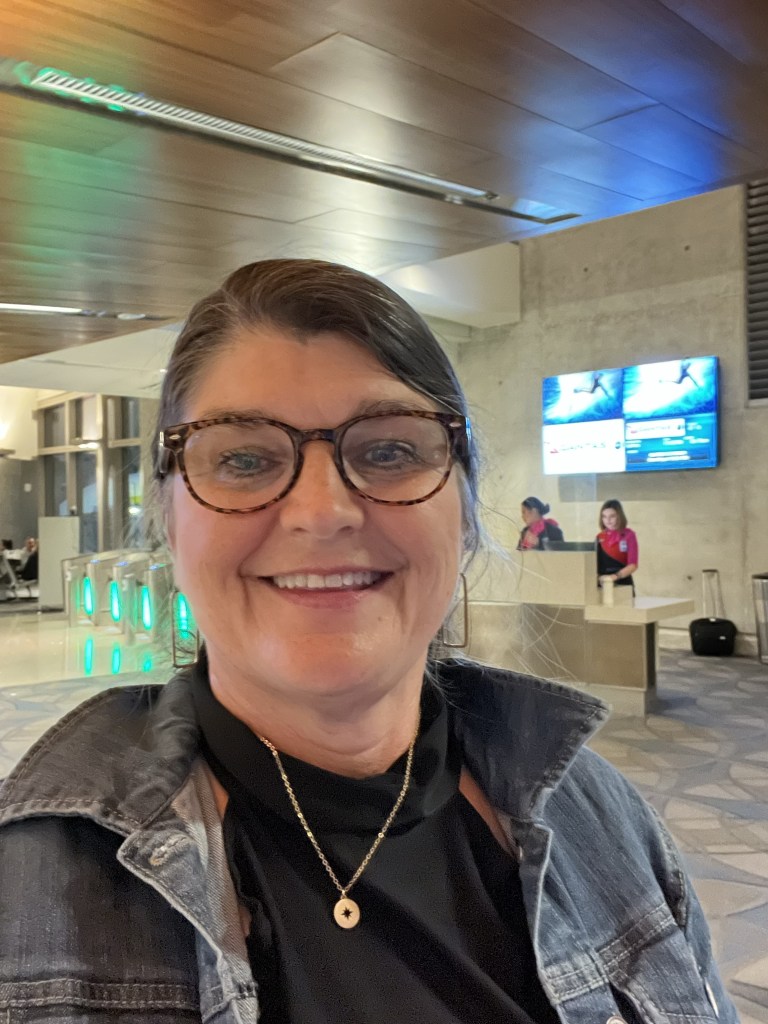
Me at midnight. Tired…. but happy to make the last flight of the night to Sydney. Only 15 hours to go! Once on board, the flight crew was excellent. We had an uneventful and comfortable flight to Los Angeles. On ward to Sydney, we were even given aisle seats with no one seated beside us. Extra room and good food, what could be better? Quantas did a great job providing a pleasant flight experience.
Once in Sydney, we headed into the immigration and customs area. Everything was automated. We were directed to scan our passport and received a ticket from a machine. We weren’t sure what to do next as there were no people. We approached some plastic doors with a scanner, but didn’t see any immigration officers. Thankfully some Australians who were familiar with the system helped us scan our ticket which cleared us to enter the country. No questions. No passport stamp (sadly). Electronic passport control seemed efficient.
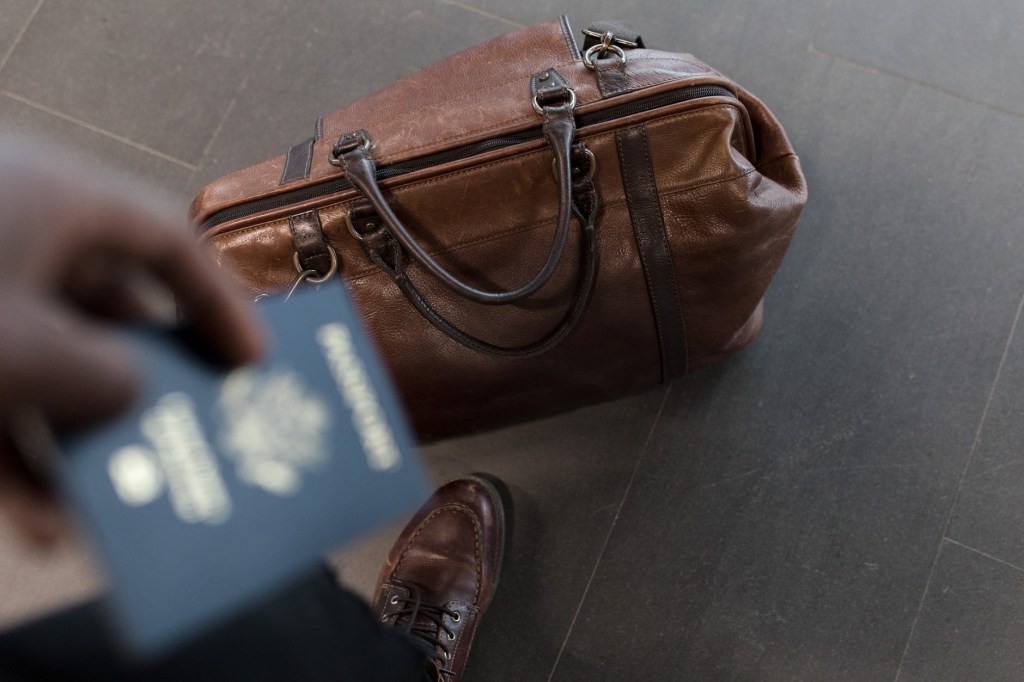
Next we had to go through customs. This was a more rigorous process where we had to declare our prescription medication. We were sorted into lines and groups until finally we were asked to put our bags on the ground so the security dog could inspect them. Thankfully Fido agreed we were trustworthy and we were cleared to go.
We made our way to the street and attempted to board the free shuttle to the domestic terminal. An airline employee wanted to know what airline we needed. I tried to explain that we just got off a Quantas flight and only needed to take the shuttle to our hotel near the domestic terminal. However, the employee only heard Quantas and kept insisting we return to the international terminal. After several mutually frustrating exchanges, she finally waved us aboard. I know she thought she was saving us from ending up in the wrong place. I knew where I needed to go.

Finally at the hotel after almost 30 hours of transit. Now we just need to stay awake until nightfall. The next morning we left the hotel to return to the airport for a Jetstar flight to Brisbane. The street to the airport was closed. The entire street we used to get to the hotel had been jackhammered out of existence overnight. So we walked several blocks around the construction and found a way to the terminal between parking lots. Crisis averted.
Jetstar is a discount airline that is owned by Quantas. We needed to check ourselves in, but you could not check in until Jetstar opened your flight at the self service kiosks (usually 2 hours before your flight). There was no where to sit or get food in the outer terminal, so we sat on a rail and waited. At the correct time, I checked us in through a simple scanning process and received two luggage tags. We followed the directions to attach our tags and got in the designated lines to await our turn at baggage drop off. A friendly agent took our bags, weighed them, and sent them to the plane. We went through security without ever having to show identification or a ticket to anyone. Once at the gate, we joined a line to board as there were no boarding groups. Based on our seat assignment, we were diverted off the jetway and down stairs onto the tarmac. We then had to climb stairs into the back door of the plane. Unusual entry, but also counted as a workout for the day. My backpack is heavy to lug up and down a steep staircase. Once aboard, the flight was comfortable and uneventful.

At Brisbane airport, the bags came quickly. I asked how to find the airport train that would drop us off in front of our hotel. I found out the train was not in service because of weekend maintenance. Thankfully Australian Uber came to the rescue, and we made to our apartment with just enough time to grab a bite to eat before the restaurants closed for the evening.

I’m not sure what the view from the train would have been, but Brisbane is one beautiful city. The week in Brisbane passed quickly. Before we knew it, it was time to catch the airport train for our flight to Melbourne. We got to the train platform early, only to find that there had been an accident further up the line and our train was delayed. So we waited. There was a football game near the station and all the fans were pouring off trains all around us making the wait feel even more chaotic. Eventually our train came and we made our way to the airport. We arrived on time and still had to wait until Jetstar allowed check in. This time, there were no clear lines to check in or drop off luggage.

We found Australian trains clean and generally efficient. Three employees stood in a cluster talking to each other, while one employee attempted to help passengers navigate baggage drop off. I asked an employee what to do and they pointed to a machine next to a conveyor belt and went back to chatting. So I began to use the bag check computer myself. We each had a baggage ticket so we each checked in separately. My husband’s went through easily. My bag wouldn’t scan in even though we attached the tags the same way we had sent them through in Sydney. I went back to the cluster of gossiping airline staff. A man stepped over, rolled his eyes and ripped off my bag tag and reattached it on the side of my suitcase and tossed it on the belt. The tag was loose and I silently prayed it would make it to Melbourne.
In a now familiar pilgrimage, we walked through security to our gate only to find that our plane would be delayed by over an hour because of a staffing shortage. We were hungry but there was no restaurant open. I went to a vending machine, but it didn’t take cash. I walked the length of the terminal to find some water and less than nutritious snacks.
After a dinner of candy while standing in a long line to board, we settled into our seats. A flight attendant appeared and asked us to move to an exit row. We agreed and a short while later she appeared with thank you snacks. The flight crew was outstanding during a pleasant flight. Before we knew it, we had arrived in Melbourne at the farthest gate possible. We walked a half mile through an empty airport to collect our bags. I was very happy when mine actually arrived with the tag hanging on by a thread.

Melbourne has great public transportation. Uber delivered us to our apartment in Melbourne and then delivered us back to the airport at the end of a great week. We found a lovely cafe just outside the Jetstar terminal, where we could await the opening of our flight. Food and a place to play a quick card game. We thought we hit the jackpot until the staff let us know that they closed at 2:00pm. So we headed into the terminal, which was large with surprisingly comfortable seating.
This is where we met Rose, an elderly Australian woman who could not carry her own luggage and had mild dementia. A nice young man had escorted her off the plane and helped her collect her baggage. He sat her near us and asked her if she would be okay and then notified an airline employee that her son was supposed to meet her at the plane but had not shown up. Rose looked confused but happy and asked us if we would watch her bags while she went to the bathroom. I got up to show her to the bathroom while my husband watched her bags. Meanwhile I heard someone running toward us yelling, “Mom”. Her flight had arrived early and her son was anxious to find her. The family successfully reunited and I mentally said thanks for the kindness of strangers.
Meanwhile, it was time to check in. I collected the baggage tags and noted that all visible Jetstar employees were gathered in a bunch laughing and talking. Passengers were completely on their own. By now, Jetstar veterans, I felt more than competent to meet the challenge. Except this time, unlike the first two Jetstar trips, it asked us to check in all the luggage under my name. I went ahead and did that hoping that we wouldn’t incur an extra charge for a passenger over the luggage allowance. Little wrinkles to keep us on our toes.
Melbourne airport has all of their shops and services in a central location and only directs passengers to the gate as the planes are ready to board. So we settled in the holding area, ordered food and found out we had a two hour flight delay. So we played cards. I shopped. We had desserts. Eventually, at the signal, we hiked a half mile to the gate and boarded … thankfully through the front with no stairs involved.
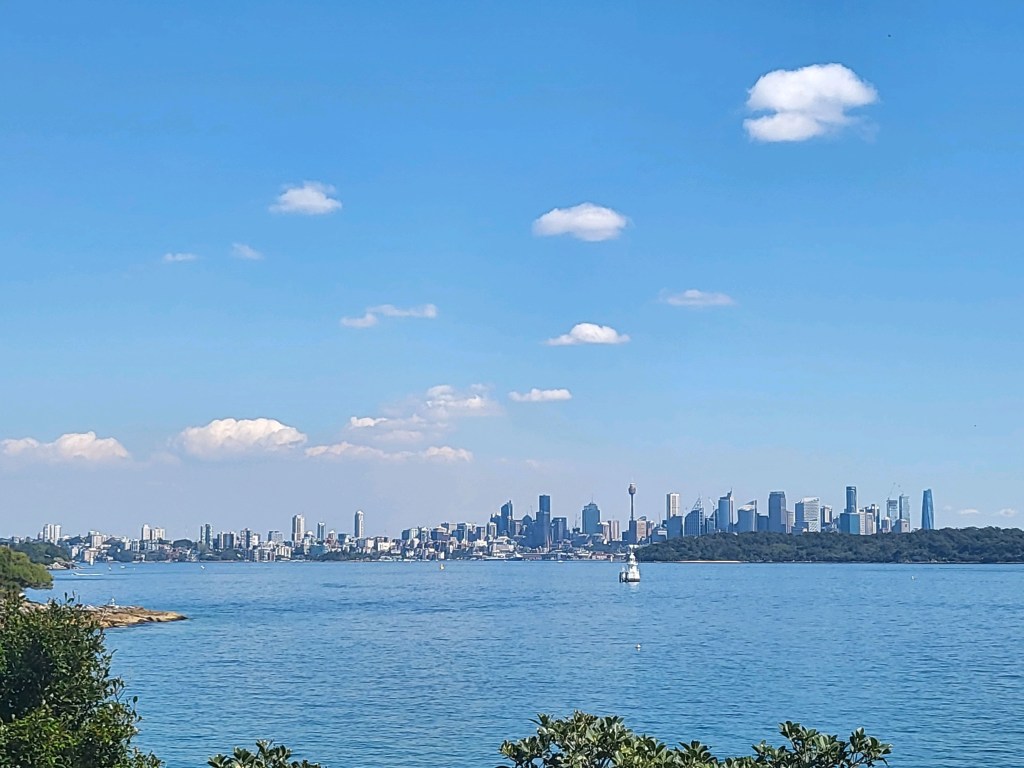
Sydney Harbor After an uneventful flight, we landed back in Sydney and had Uber take us to our apartment. I was too tired to figure out the train m. We were dropped off in the night at the address, but could not find the lock box that would let us in. We circled around in the dark with flashlights. We checked every rail. As we were looking, a woman in her pajamas appeared with her dog. She introduced herself as Karen “but not in a bad way”. That made me laugh. She offered to help and walked us to what she thought might be the correct building, where Glenn was able to find our key. We entered our third and final Australian nest exhausted from another full day of air travel.
The next three weeks went by in a blur. Uncharacteristically, I did not worry about getting to our early international flight because I pre scheduled a 4:45 am Uber transfer. Our driver was assigned with a defined pickup over a week in advance. I was content. The morning of our flight, we got up and got ready. As we were walking to the pick up spot, our driver cancelled our pick up. I got a notice from Uber that they were trying to find another driver. Resisting the urge to panic, I began to google taxi and car services that might be able to do a last minute pickup from a suburb. Thankfully just as I was getting ready to call a taxi service, I got a text that Uber had located another driver. Crisis averted.
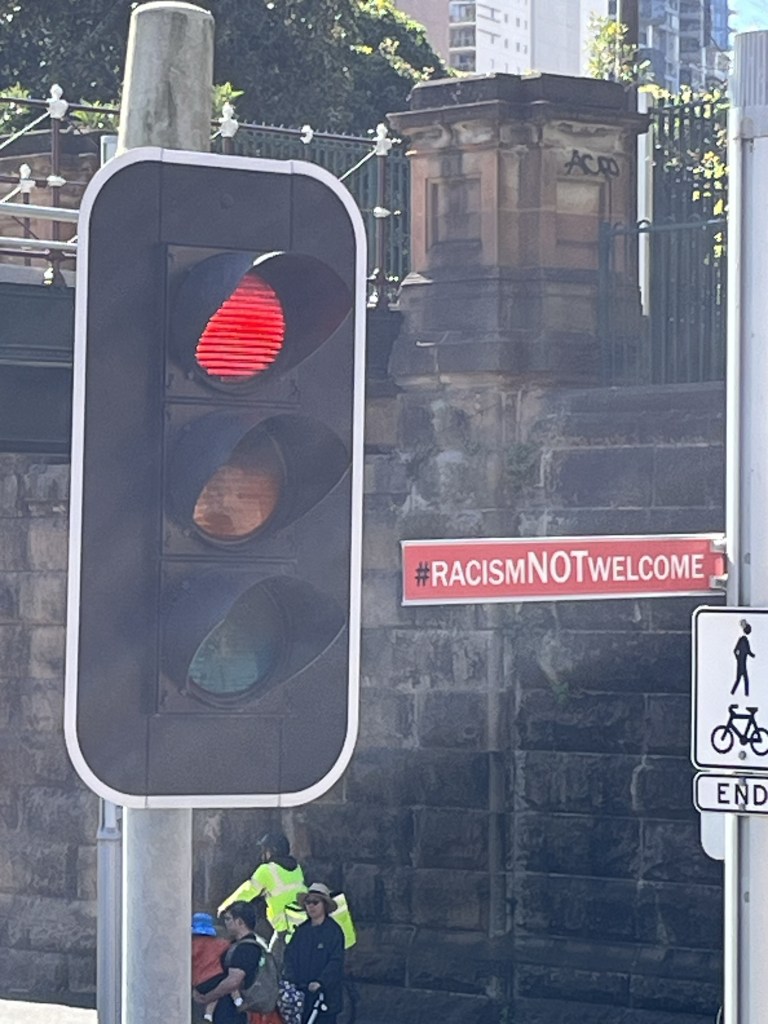
Street signs seen across Sydney Once at the airport, we approached the self service kiosk and an Australian American Airlines employee said, “Please let us serve you Ma’am”. And directed me to a full service counter where another polite gentleman check us in and wished us a pleasant flight. It was like we had stepped back in time 10 years. I almost fainted with the sheer pleasure of a great customer service experience. American Airlines should have Australia train all of their employees.
Once at security, we were greeted with smiles and told to take nothing out of our bags and to leave our shoes on. My husband and I looked at each other in confusion and walked through with smiles on our faces. My bag was pulled out of line and I prepared to be asked to empty my backpack that was stuffed with souvenirs and electronics. Instead a pleasant officer with a wand, ran it over the bag and the contents appeared on the screen. He looked for a minute, handed me my bag and told me to “have a great flight ma’am, thank you”. With a smile no less. Where are we? Australia should train all airport security officers.
The departure gates were surrounded by coffee shops and souvenirs stands so I had a great time waiting on our flight spending our leftover AUD. The flight was on time and boarding was uneventful.

We had awesome bulkhead seats with lots of legroom. Our seat mates were pleasant and the food was actually very good. The 13 hour flight passed quickly.
Coming back into the U.S. after traveling abroad can be a slap in the face. From the minute you step into the security area, grumpy looking security staff yell and point directions. If you miss what is said or don’t understand they repeat the same phrase and just yell louder. Tone is tense and unpleasant. After a long flight it can be disorienting. I am usually embarrassed that it is a traveler’s first impression of America. When I compare how we were treated in Australia , I am mortified by our lack of hospitality. Everyone in line to enter the country is treated like a nuisance at best and a potential terrorist at worst. We were herded into a small area, and a woman yelled instructions like a broken record.
A disinterested immigration officer scanned our passport without comment, we collected our luggage and then looked for the baggage recheck area. There were signs that were confusing. There was a man in a chair yelling unintelligible directions. Two couples stopped to ask questions , but he continued to yell the same phrase at the same volume in their faces. So they gave up and turned away. I showed our ticket and he waived us through. I just took a guess I was headed in the right direction.
We ended up in a small room with alot of stacked luggage. I got in line at the American counter by baggage drop. The agent was on the phone so I waited, and waited, waited. Finally she asked if I needed something or if I was just standing. I told her I needed to check our connecting flight, so she ended her phone call. Somehow our three hour layover had been extended to a 12 hour layover. I asked her why and if she could find us another flight. She apologized and told us that our flight was now the only flight of the day.
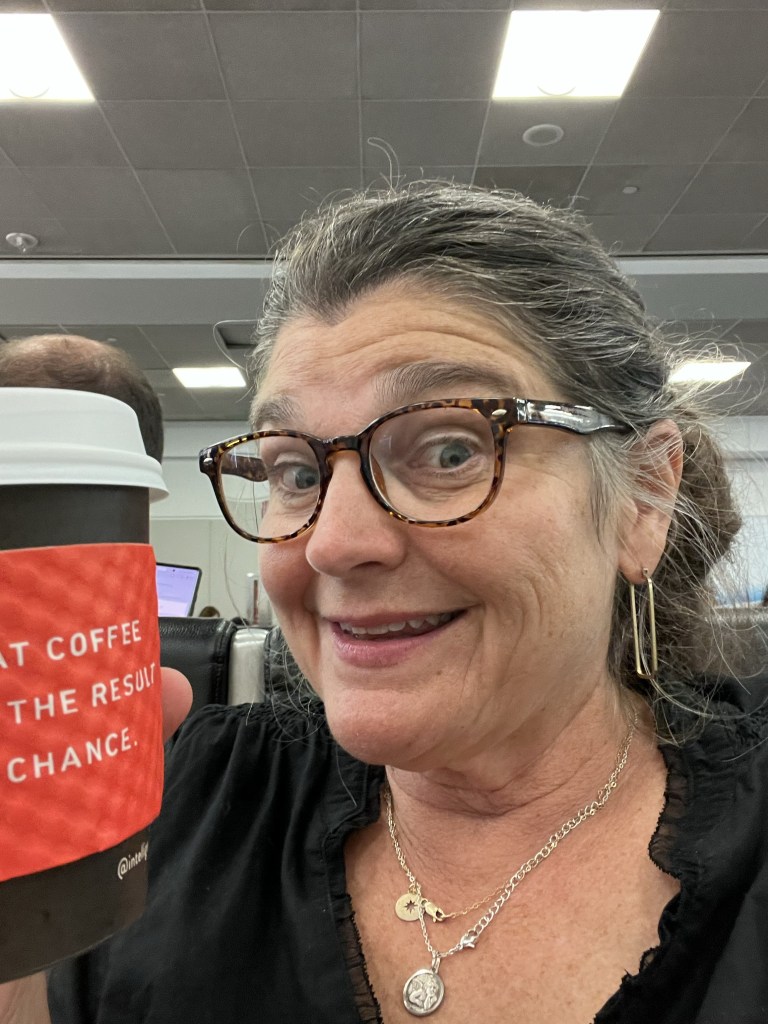
Looking like a zombie and guzzling coffee during our 12 hour layover after a 13 hour flight. Dejected, we went to make our way to the American concourse, but found ourself confronted with a four story ascent with an out of service escalator. Our terminal was about 80 degrees and very small. We found a spot where I could get coffee and do some work and where my husband could stretch out and sleep. He fell asleep and I quickly found out that the electrical outlet didn’t work. So much for using the time wisely. I read. I walked. I tried to guess the home state or country of passengers as they passed.
At some point we went back to the international terminal. It had air conditioning, restaurants and comfy chairs. It was a long, boring day. At some point , we went back to the small terminal where I scanned my own ticket on the plane while the gate attendant flirted with a coworker. I seriously considered writing to American Airlines to ask if their US based employees could be trained in Australia.
Once we were on the flight home, I blew up my travel pillow and fell fast asleep. A four hour nap and we were home. Miraculously our luggage was ready when we got to baggage claim. Once on the street, two shuttle buses passed us by. But on the third try, we were back at the truck. Thirty hours of travel in, we only had a one hour drive to the house and our journey would be over . To celebrate, we stopped at Wally’s travel center, where at one a.m. we got a small soda (easily the largest drink size we had seen in the last five weeks). Back in the USA, giant caffeinated drink in hand, I have once again determined that travel (even if airline travel can often be agonizingly awful) is good for the soul.
It is always good to be home. -
Friends Old and New

I am sitting in my pajamas after just talking to a friend on the other side of the world. In seconds, we were connected and speaking as if we were sitting right next to each other. A pleasant conversation to end her day and to begin mine.
Meanwhile, I received a social media text from a friend that I hadn’t spoken with in a year. Smiles and affection in a simple post that reminds me of friendship forged in a more stressful time.
Friends turn up in unlikely places. Strangers meet on a tour bus and by the end of the day are sharing stories and comparing culture. A random encounter leads to stories of times past and dreams of the future.
With twinkling eyes, a woman on a park bench entertains me with stories of her grown children collected across a lifetime. We are drawn together amidst a background of a busy city for a brief connection. Strangely, she reminds me of another friend from long ago that I randomly met in a swimming pool. As I listen to my new friend’s stories, I am inwardly smiling as I celebrate my friend who died and wonder at how alike they are. The world is full of surprises.
Sometimes our friends introduce us to new experiences that we would never try on our own. They give us courage to try new foods and they take us to places that are unfamiliar. But often, they anchor us in familiarity and comfort. In a few beautiful moments they do both simultaneously.

Hearing about one of my planned excursions abroad, my dear friend introduced via the magic of technology me to her dear friends and asked if I would visit them while I was on their side of the world. Based on faith in our mutual friend, we connected. They invited total strangers to their home for dinner. We accepted. It is strange to take a cab to someone’s house you never met, in a foreign city, in the dark. But I know my friend and that gave me confidence. After a brief introduction, I had new friends.
Sitting on their porch and sharing a freshly grilled meal while observing the exotic birds and flying foxes, it was amazing how relaxed I felt. The surroundings were unfamiliar, but the new friends reminded me strongly of my old friend. The shared bonds were strong.
Humans need connection. New friends are everywhere if you take the risk to interact. Every chance you can, take time to interact. Ask questions. Share stories and smiles. You may have to work harder and put down your phone. People are worth it.
-
Perspective
There is water running down my windows but it is not raining. The air outside is like a sauna. It is steamy and thick.
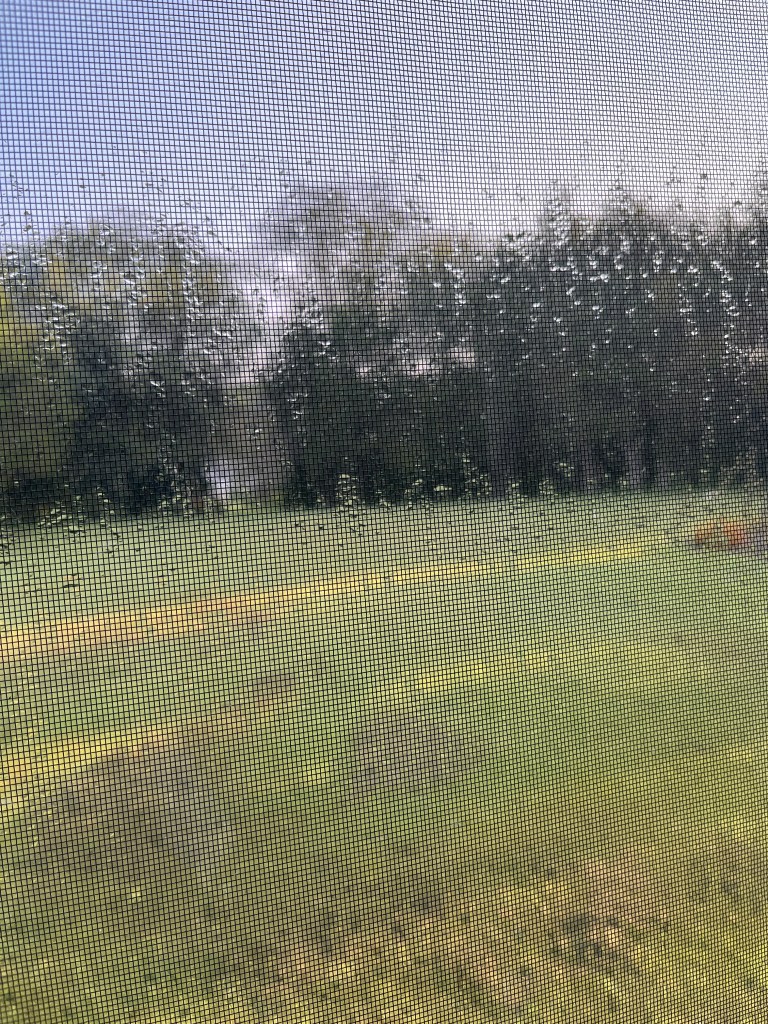
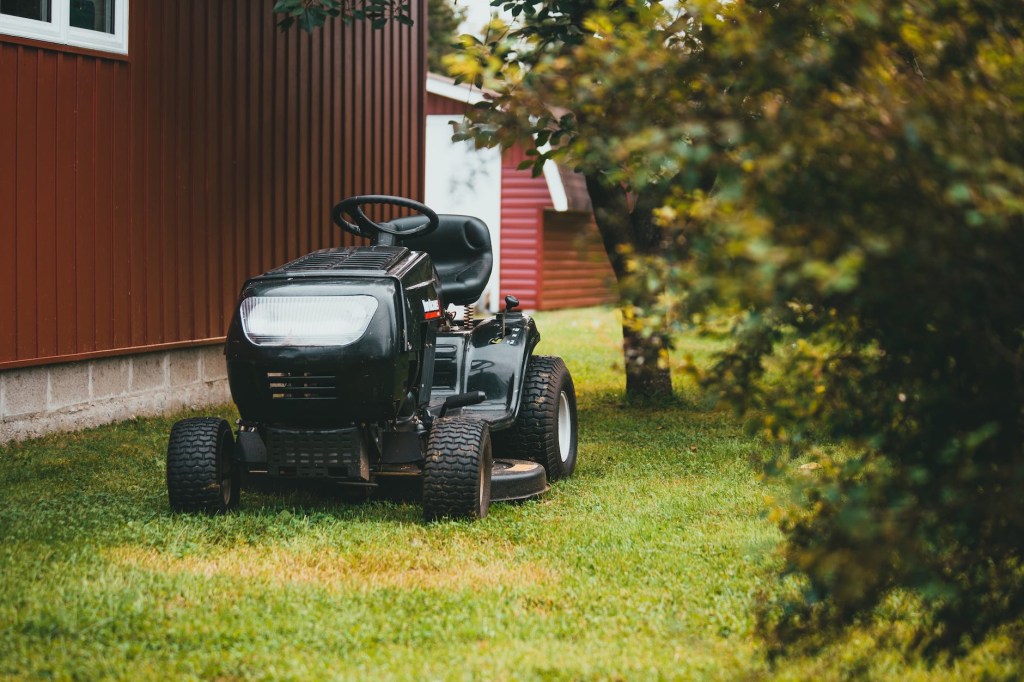
Why is it that when I pay to visit a sauna, I enjoy the sensation? But, when I am trying to mow my lawn, enjoyment is not the word I am looking for. Perspective.
So much of our thought process has to do with the way our brain is wired based on our past experiences and encounters. A trip to the the spa is supposed to be fun….therefore the same level of heat and misery that if experienced outdoors would be oppressive, is instead considered a rare treat. Perspective.
In the 1980’s, at a youth camp, I was introduced to the GIGO principle. Garbage In. Garbage Out. The speaker explained that what we read, discuss and encounter can actually change our brains. We grow and prune dendrites throughout our lives. What we feed into our brains can actually overtime rewire us.
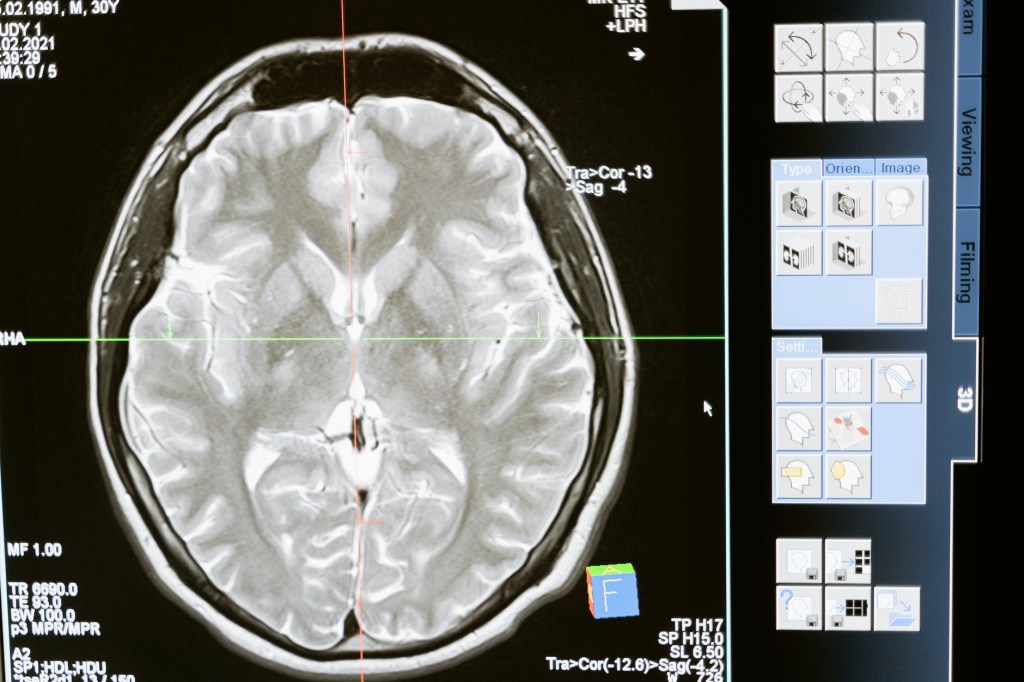
We know a lot more about our brains now. But the concepts hold true. The brain loves novelty and is up to 20 times more likely to dwell on the negative or anything perceived as a threat. Advertisers and media conglomerates know this. Commercials and news headlines are designed to grab your attention and keep you engaged with their brand. Perspectives.
Over time, the pathways and patterns solidify into your default. Your worldview. A sauna is a luxury. Mowing the grass is torture. The world is safe and good. The world is scary and bad. People have value and worth and should be treated with dignity. People are evil and must be feared. Perspective.
The good news is that you can change your brain. I choose to have an attitude of gratitude. I am so thankful that I have a lawn and a riding mower. I am thankful that my husband is doing the weed eating. I am thankful for the breeze and the shade on this day with the heat index at 120•. I am thankful for the air conditioning and that I have electricity and the means to pay the bill. I am thankful for running water and the bath tub that awaits. Perspective.
Whatever is true, whatever is honorable, whatever is right, whatever is pure, whatever is lovely, whatever is of good repute, if there is any excellence and if anything worthy of praise, dwell on these things. Wire your brain for goodness. Perspective.
-
When the Rope Breaks

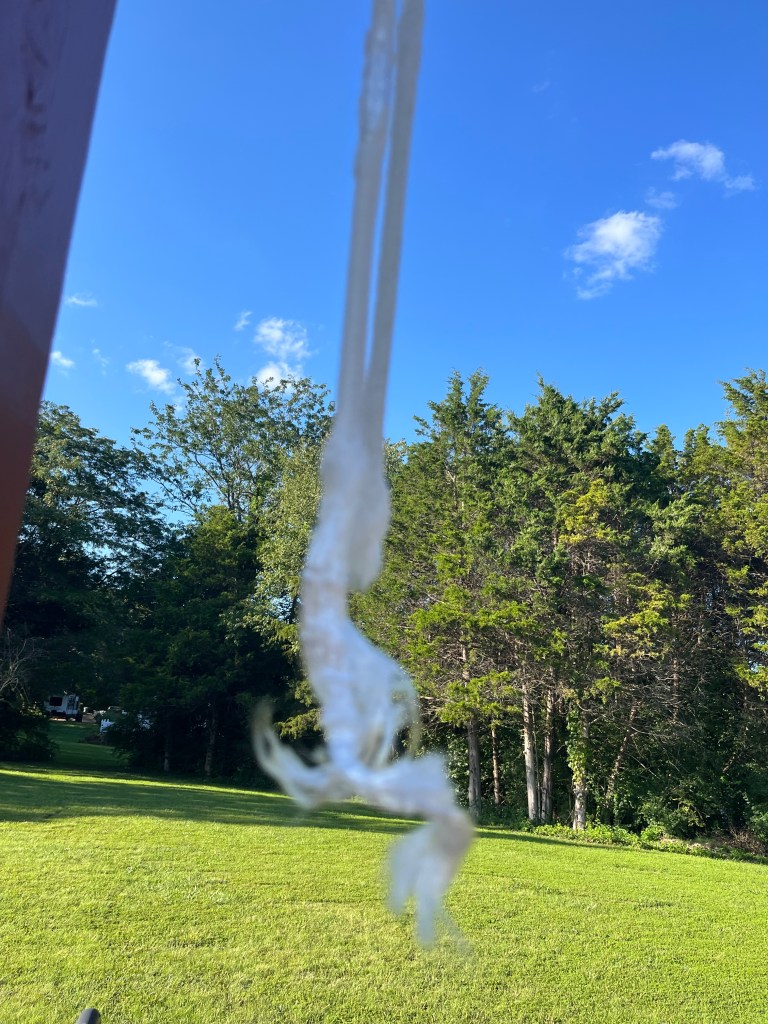
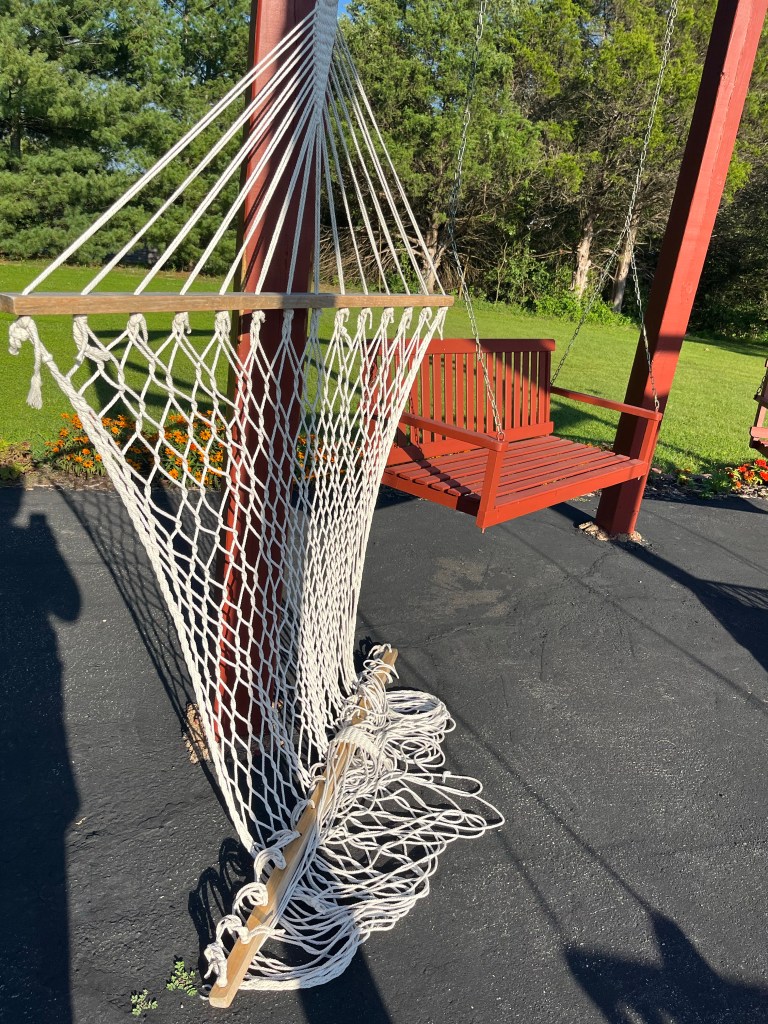
After a very long day, I came out to the yard to sit in my hammock. It has been an exhausting day. I sat down and kicked back into the recesses of the netted hammock that is usually a great comfort. Seconds later as I was slamming derrière first into the asphalt, I realized that the rope that was holding me off the ground broke. Once I checked to make sure I didn’t have any wounds other then my pride, I inspected the ropes and noticed that one had weakened and frayed until it no longer was able to bear my weight.
Something that had served me well on all prior occasions didn’t hold. It was jarring. This is ironic, because I had retreated to the hammock to review my day.
This week I gave six different presentations in a variety of school settings. One of the presentations was wildly successful. The participants were eager and interested. They expressed sincere appreciation and made me feel that I had added real value to their day.
The majority of the trainings were functional. People were attentive and engaged and polite. I left thinking that I had left behind important ideas that could be of use, but honestly, teachers are distracted the few days before school starts. They are thinking of lessons and classroom set up. I get it.
Today, however, one session did not go as planned. The room was very large and not set up for the type of session I hand planned to run. The individuals didn’t have context for why I was there. My tech tools malfunctioned. I was cold and dropped the remote device that forwarded my presentation slides, not once but twice. I got distracted and didn’t make the transitions I had planned because the sound and videos did not work with the equipment in the room. People were polite, but also checked out. I was unable to use the handouts I brought. In short, nothing went as anticipated.
I had planned diligently for all of the presentations. I had lead many of the identical sessions on other days with great success. Today, my metaphorical rope broke and I felt myself falling in front of hundreds of people. I was delivering important ideas about how to provide essential supports for kids and yet it was unraveling. My rope broke.
It wasn’t the worst training experience (at least for me), but it certainly wasn’t my best. And I demand my best. I want to deliver my best. I could feel the rope slipping away as I read the audience. I had gathered the information about what was needed and delivered what was requested. But my anchoring connection was not strong enough. The context wasn’t right. The rope didn’t hold.
So what do I do in this moment? I guess I have to find stronger rope. I will have to figure out a better connection and anchor more tightly. I will need to mend the severed threads so that I can once again relax without fear of falling. I can appreciate what has served me well, but I will also get some new rope. Or maybe this time a chain ….maybe a chain would be stronger…..did I mention that I don’t like falling.
(If you hate metaphors, I apologize for this entire post. I may still be in shock from being dropped back to the earth literally….and metaphorically 😉)
-
Peace be still

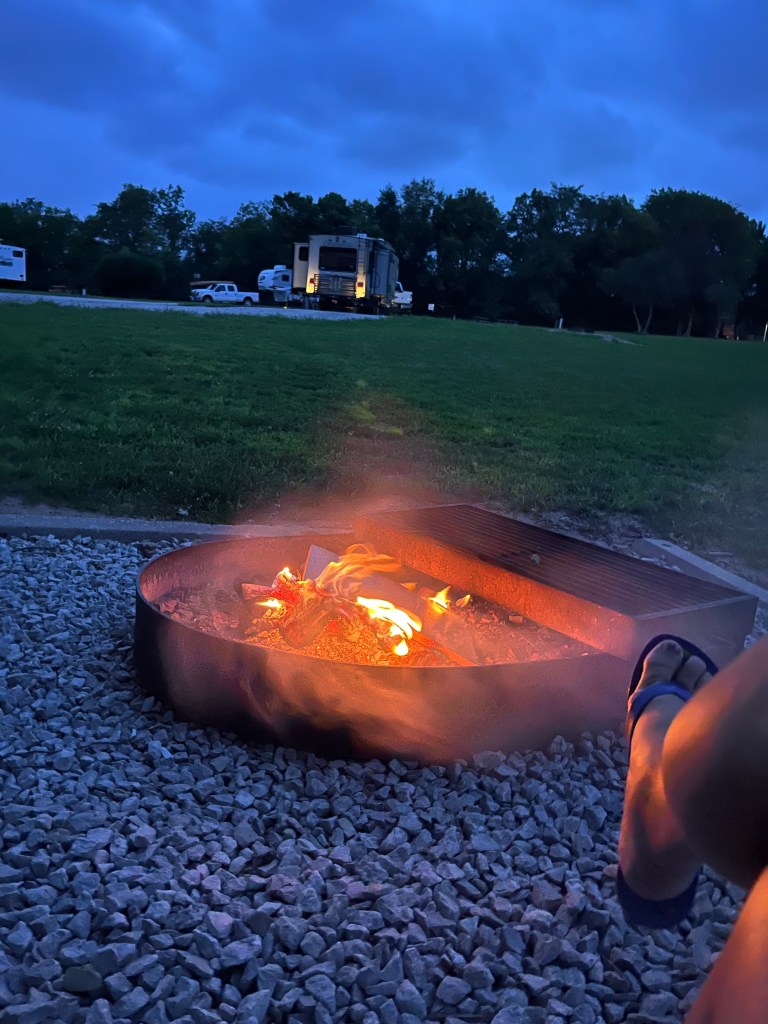
The words sound simple and joyful. Peace be still. It is peaceful here. The birds are singing. The sun is shining. I am sitting by a campfire and in the stillness of the morning, I am thinking of my beautiful aunts. They are all with the Lord. But today, they are also vivid in my memory.
When I was little, I was in awe of my Aunts. They were a quartet of beautiful, black haired creatures, who would sweep into my life at holidays and on brief visits with my grandparents. They lived further away and had new stories to tell at each visit. I thought they were captivating and amazing. In retrospect, I probably saw mirrors of my grandmother and ultimately myself. Dark headed ladies with apple cheeks, and captivating smiles.
How did I make this leap from reflecting on the peace of God to musing about my Aunts? Well, their funerals were celebrations of love. It is surprisingly peaceful to be surrounded by family members of strong faith and deep roots. Peace…calm….freedom from disturbance….tranquility. Perhaps this is not always the image that comes to mind when thinking of funerals. But, I definitely feel the peace of God when I sit with my family and worship together. Celebrating such amazing women had a peace all its own.

The “Be still” part of the equation is not, however, in my family’s vocabulary. I have to be careful which cousin and/or uncle I sit by at both weddings and funerals. We are an expressive and joyful bunch. It takes effort to still your mind when you are worried about being pinched or laughing out loud during the service. But in those moments of celebration and worship, surrounded by a wonderful, chaotic family, it is easy to take time to be grateful.
I am smiling even as I write this thinking of my Aunt Allene. She was a force of nature. Always the first to help in any situation. The drill sergeant of all large family gatherings, she made sure food was served hot and people were where they were supposed to be. She was efficient and effective. I might have been a little afraid of her, if she wasn’t so loving. I always associate her with the preparation of food. She was constantly in the kitchen. Once, at a family wedding, she couldn’t find a ladle so she scrubbed up like a doctor preparing for surgery and stirred the punch with her arm. Unfortunately as a result, she was stained pink to the elbow and it clashed with her dress. We laughed until we cried. When asked why she hadn’t let someone else take care of it or waited until there was a spoon, she simply said that “it needed to be done”. Aunt Allene always did what needed to be done.

Aunt Geraldine was more enigmatic. She lived in Arkansas and was the oldest. She was quiet and serene. She reminded we of Loretta Lynn, with a radiant smile. She never appeared without her children and grandchildren in tow. They were a package deal. We often had to bring the cousins to our house to make sure everyone had a bed. I knew life wasn’t always easy for her. But I just remember that beautiful and joyful smile. I see her relaxed and leaning back in a chair holding grandma’s arm. Aunt Geraldine loved her children and her mamma.
Aunt Mary was softer somehow. She seemed quieter and a little shy. Perhaps this is how she found her place in the family of eight. Or maybe she seemed that way because she was married to a prankster. She would chuckle and her whole body would shake (just like grandma…..and me). I remember her always doing someone’s hair. It didn’t matter if it was Christmas, if you needed a haircut or a permanent wave, she had you covered. She would tell stories in her soft voice, but get tickled halfway through. She would cover her mouth with her hand and wipe her eyes. Aunt Mary took joy in the simple things.
Aunt Reva was like a hurricane in a desert. To me she was glamorous and wonderful. When she was a teenager, she snuck out of the house to be in a beauty pageant (my grandfather would not have approved), and won! She got in a lot of trouble, but grandpa could never stay mad at her. She had a loud strong voice that was somehow soothing at the same time. Her eyes twinkled with mischief and she could hug you into a coma. Always stylish and gregarious, she made me feel like I was the most special little girl in the world. Aunt Reva loved life and loved her family.
So I am sitting in the quiet morning thanking God for my loving Aunts. They modeled various aspects of womanhood and godliness. They weren’t perfect people, but they were perfect role models of how to love, how to labor, how to live in peace, and how to laugh. Someday, my friends and children will tell stories about me. . . Hopefully fondly told. I am fortunate that in addition to my parents, I had a wonderful line of women role models that worked to ensure that others were cared for. They were mischievous and could laugh in the face of troubles. They were humble before God but proud of their families. They persevered in the face of trouble with peace in their hearts.
Peace be still. It is good to sit and give thanks to God for those that came before. To hear in the stillness of morning the echoes of laughter and to see in the breaking of dawn the shadows of dazzling smiles. To wonder in the sunlight how I can bring the same comfort and joy to those that I encounter today. peace….be still….
-
Life is hard. God is good.
The last few weeks have been difficult; not because there is anything wrong in my life, only because I feel unsettled. Call it a physiological response or existential angst. Maybe it is the summer blahs. Perhaps it is living in what I like to call “the age of anxiety.“

It doesn’t really matter what it is. Its effects make it hard to relax. My brain scans for problems, and I seek solutions to imagined difficulties that haven’t happened and are unlikely to happen. I feel my muscles tighten and experience intestinal discomfort. I can recognize the signs of anxiety in my body. I spent a lot of years living on coffee and adrenaline. So the sensations are unfortunately familiar. What I don’t understand is why I am suddenly anxious?
Due to my profession, I know a lot about how the brain works. I understand the human need for autonomy, belonging, and competence. I train people on developing environmental conditions that support positive human development for both staff and humans. I work hard to cultivate those conditions in my own life. This does not make me immune to feelings of anxiety.
I have a loving family. I have a wonderful career, doing meaningful work. I have freedom to choose what I want to do each day. I am insulated, and blessed; yet I understand how fragile life can be. I often absorb the emotions and stressors of those I care about.

In our Information Age, not only are there daily reminders that life can be disastrous; individuals use events to create controversy and strife for economic and political gain. Incivility in some circles has reached new heights. Commercials are targeted specifically to me and remind me that I am aging, that I may not have enough money, that I may not be physically fit, and on it goes. Each encounter chipping away at my peace.
If so, I must recenter. I spend less time in front of screens. I spend more time talking to family. I garden and walk in nature. I visit with friends. I read books that inform and entertain. I mediate and pray.
It is said that the brain is four times more likely to remember negative experiences and emotions. Neuroscience also tells us that our brains are constantly rewiring itself and that instant technology is changing our brain waves. And so I wonder….what if my anxiety is less a function of my reality and more a function of my focus?

I remember that faith is a choice each day. I remind myself of God’s great love. That He is faithful. I cannot control any of the things that media and society would have me worry about. I will get older. My health will eventually fail. There may be a time when I don’t have enough money. But in this season, I …like Job, will return to my fortress. I will not take on the cares of the world unless I remember to carry them in prayer to the only one who can help. I will remain a prisoner of hope. In God alone I place my trust. I will dwell on “whatever is true, whatever is honorable, whatever is right, whatever is pure, whatever is lovely, whatever is of good repute, any excellence and anything worthy of praise.”
This may sound preachy (not my intent) and easy. It is not. This week it is a hard conscious choice each day. A mindful, deliberate choice. … because life is hard (even when it seems everything is going your way). But even on my worst day, God is good.
-
Headed Home
I am driving home after a lengthy stay with my son. Leaving his house, I have very mixed emotions. I am feeling that (I am dropping you off for college, I don’t know when I will see you again, you are smart and capable but my life’s mission is to make sure you are okay) feeling of emptiness thing that happens every time your adult children leave you or you leave them.
I drive away and spend the next hour reminiscing and fretting as only a mother can. The hour after that, I distract myself with road-trip karaoke (and yes, I am still a small town girl living in a lonely world). In the next hour, I stop at the world’s coolest vintage store. I find countless garments from 1940 to the present to hold in front of the mirror. Curvy girls had it bad in the 1950’s as everything was made to fit like a combat wetsuit (tight and stiff) …except for floppy house dresses (grandma, suddenly I understand).Retail therapy complete, I start the last leg of the journey home.
Because I am thinking of house dresses, I obviously think of grandma. When I was a teenager, my grandmother who could no longer care for herself went to stay with my aunt a few hours away. When I went to visit, she begged us to take her home to her own house just to spend the night. I didn’t get it. We were going to drive almost two hours, spend the night and return. That would leave us with a two hour drive back again to our hometown after we dropped her off. It was already late in the evening, but I worshipped my grandmother and couldn’t have refused her. Off we went into the night.
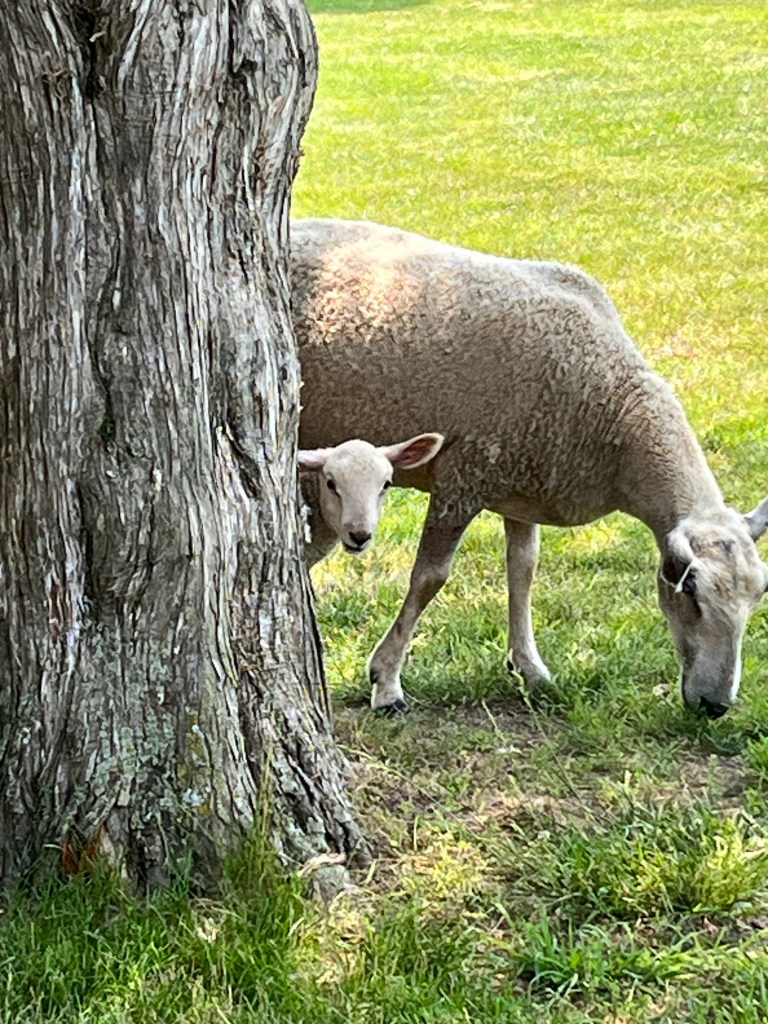
Each road sign we passed she would smile and say hallelujah. Each town that we encountered would bring a song of praise. “Lodi! Thank you Jesus! Cold Water! Praise the Lord! I’m going home! God is good!” I smiled at her happiness and enthusiasm. I didn’t really get it.
But as I drive these roads home and think of that day, I understand. There is the field with the camels, I’m one step closer home. There is the town with the antiques and homemade bread where we while away the Saturdays, I’m getting closer. Here is the town where my husband’s grandparents are buried so I’m almost there. Crossing the railroad tracks means I am minutes from where we have built a life. I am seconds from my husband, Praise the Lord!
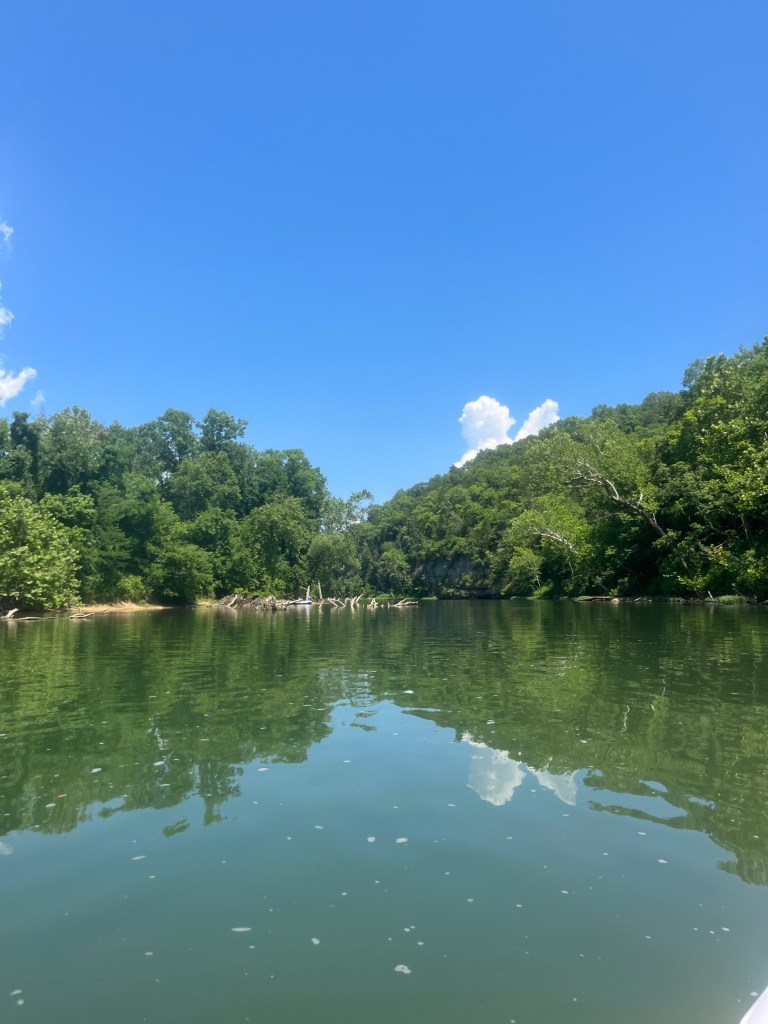
It is just like me to not want to leave one place, yet can’t wait to get to another. But I understand, Grandma’s joy of coming home. Except for me, home is wherever my children are, where my husband is, where my parents and siblings reside. Fortunately or unfortunately they are scattered across the country. Coming home rarely means everyone is in one place. I will have to be content with my heart being scattered.
My husband teases me when we travel in the area surrounding my hometown. It usually starts when I get a big goofy grin as the hills come into view. I remind him I’m a hillbilly girl. I say, “have I ever told you how much I love pine trees?” Some days I even roll down the windows to smell the forest. What he doesn’t know is that in my head where only I can hear I am singing “Lodi, Praise the Lord. Cherokee Pass, thank you Jesus! Lake Killarney, God is good!” Home is anywhere my people are….but the forest, my forest, the hills where I grew up speak to my soul.
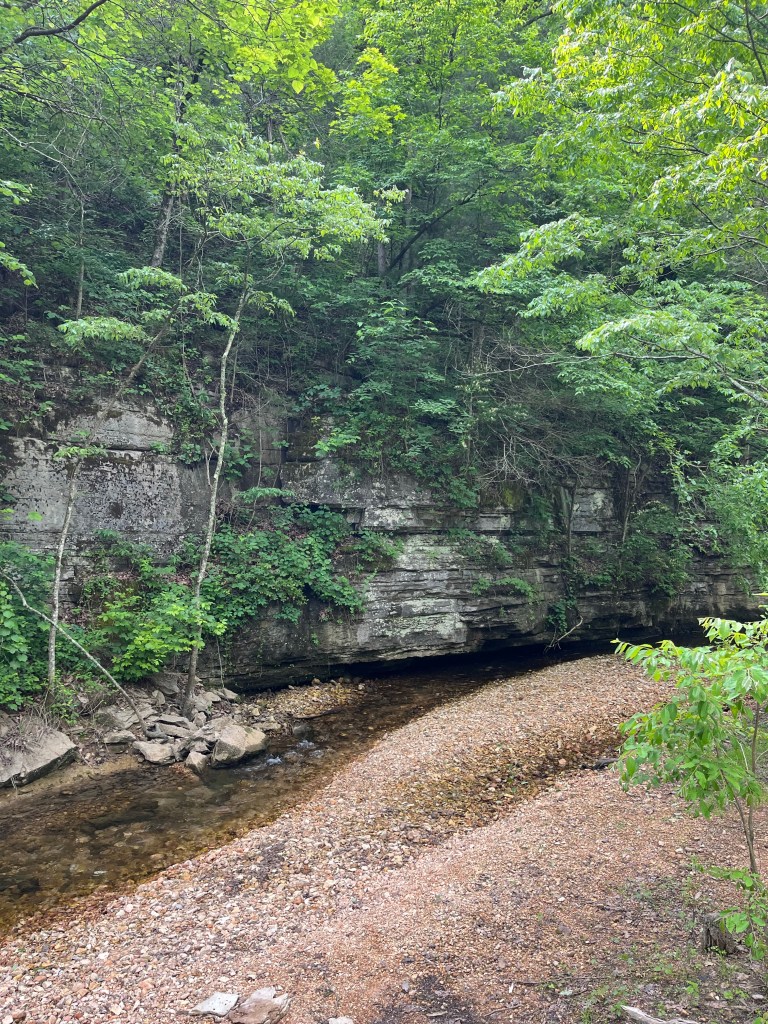
Unto the hills I will lift up my eyes…….
-
Travel Goals: Wildlife Adventures
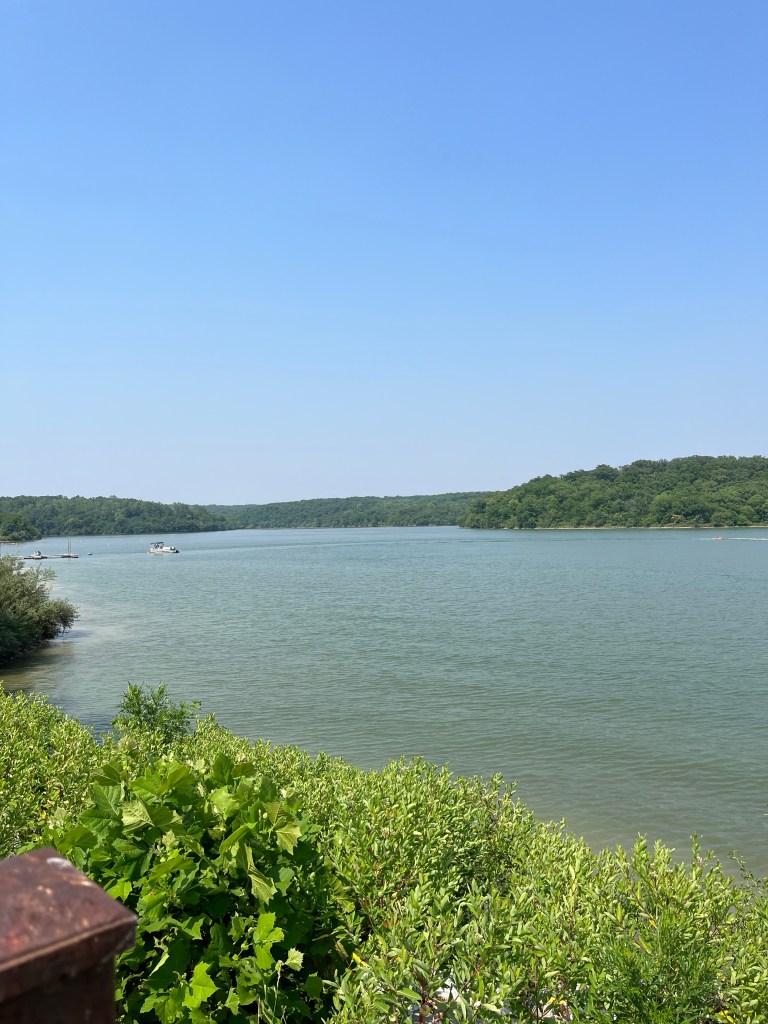
It started out as a simple hiking trip, just a few days with a friend to explore a highly rated woodland trail. Nature had other plans. Reviewing the forecast as we packed, we decided that two days on the the at temperatures well over 100 with high humidity was probably not smart. So we decided to drive North instead. We found a lovely state park with a lake for kayaking and trails for hiking. Best of all, the temperature would stay below 90 degrees.
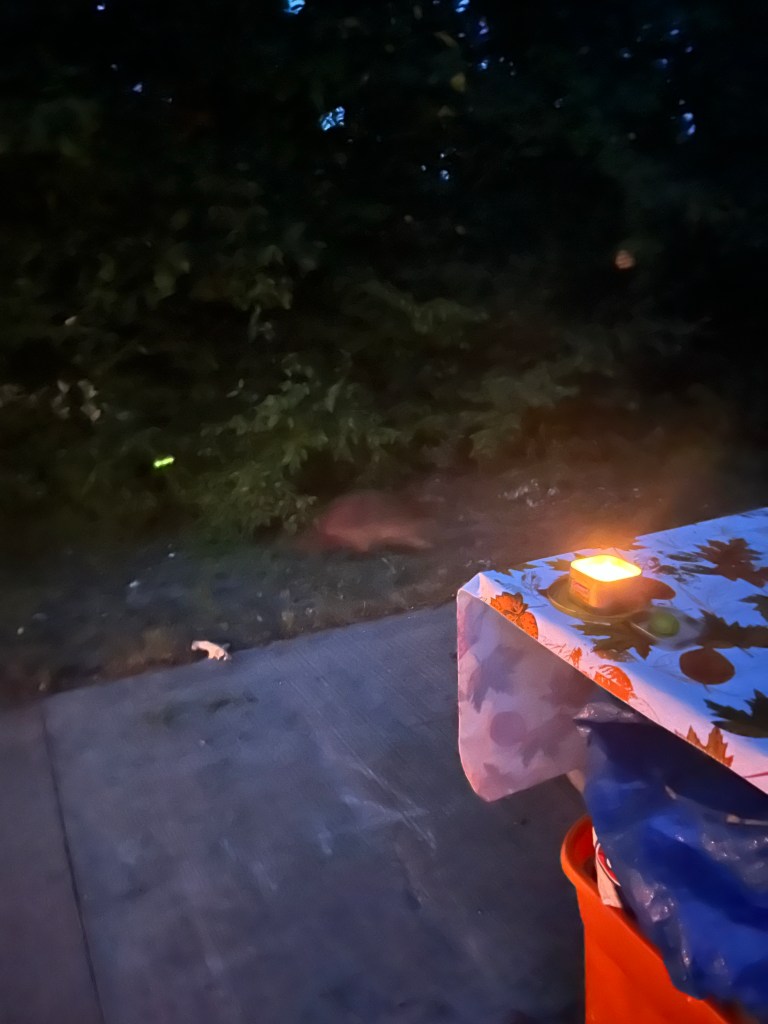
She arrived first and began scouting a campsite. 1000 Hills state park got its name for a reason. Finding any level ground to pitch a tent was a challenge. It had been very dry and so it was hard to get stakes in the ground. I pitched my tent closer to the woods in order to give her the more level and higher ground.

We set a functional camp and had an awesome meal of chicken shawarma cooked over the campfire. There is not much better than a meal cooked over the flames of a fire. If your friend is a chef, using a recipe you love, it is heaven.
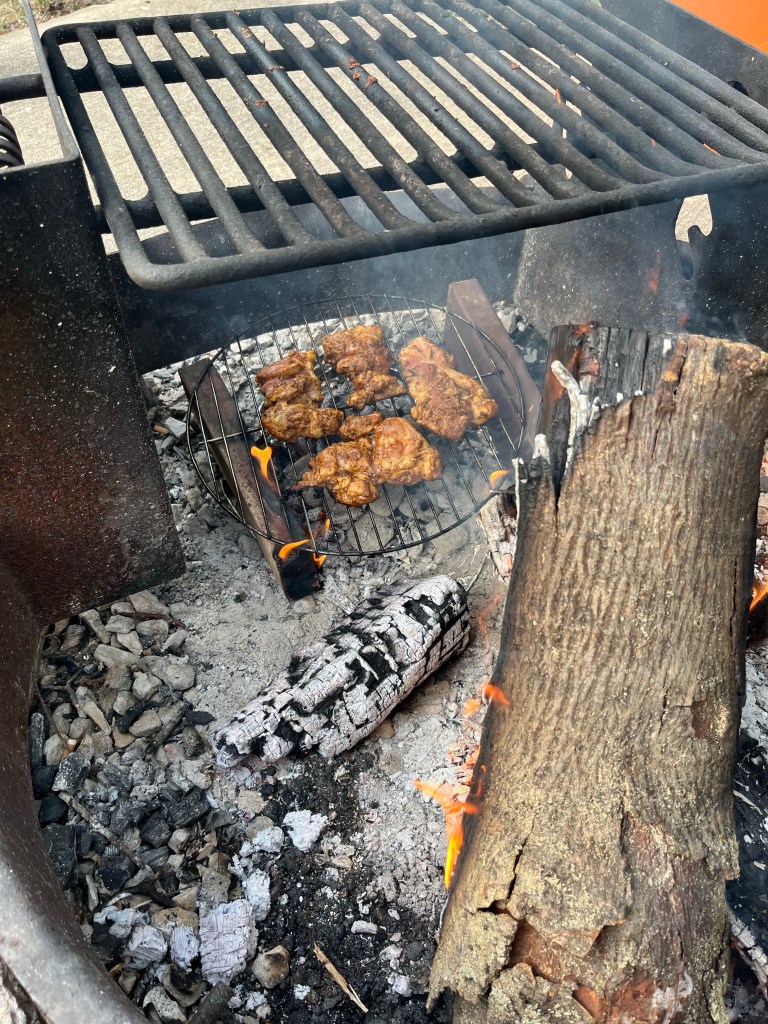
Pleased with the camp, the meal, and the weather, we took a twilight walk. Upon return to camp, we noticed we had visitors. Raccoons had stolen our remaining dinner drinks and some some produce from the table.
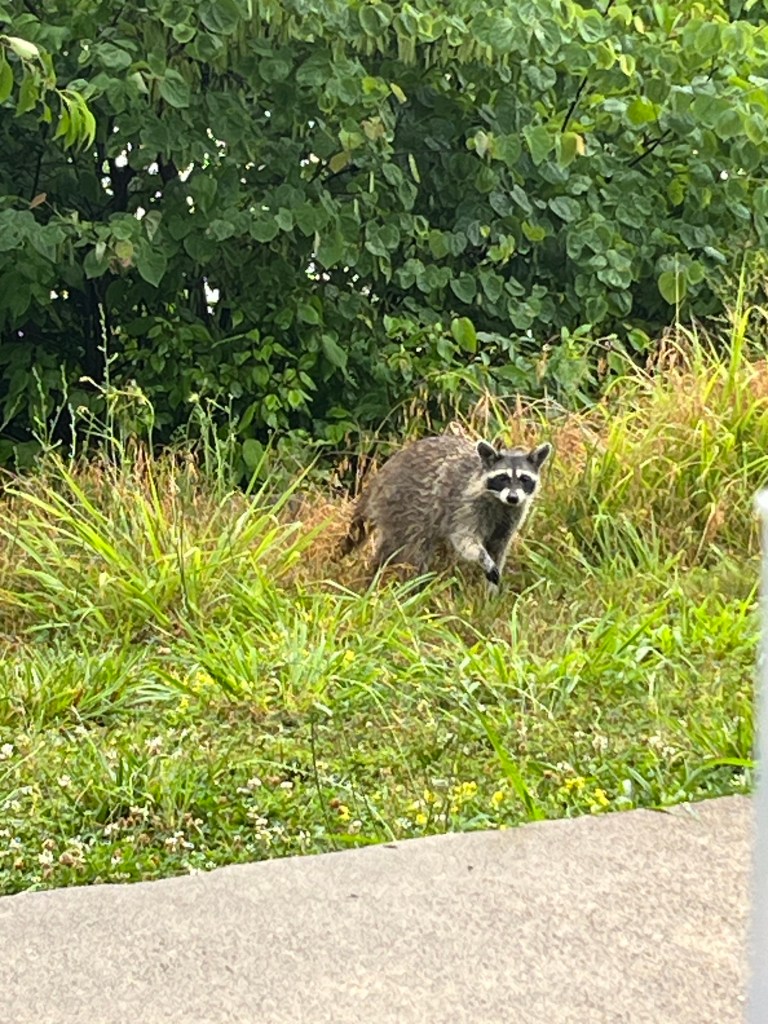
Raccoons are crafty creatures, but as experienced campers, we made sure the food was tightly sealed and secured in our cars. We removed the trash to a provided and secure bin away from the camp. We carefully stacked our outdoor gear under the table and covered it with a tarp.
I watched the fire for awhile and enjoyed the sounds of the eastern whippoorwill. A common sound from my childhood, whippoorwills are harder to find these days. Hearing them brought back wonderful memories. Feeling relaxed and happy, I went to bed with dreams of the next day’s hike.
Sleep, however, was elusive. I worked to find a way to make the sloping ground work with my body. It is not often that I sleep on the ground anymore. I hadn’t used the backpacking tent in several years and only realized that the fly cover was missing after I set up the tent. I wasn’t worried and was secretly pleased that I had an open view of the stars.
I was admiring the trees through my tent top when the noise started. Banging and crashing sounded like a band of children playing with pots and pans. I got up to find three juvenile raccoons ransacking our gear. They were rifling through our empty coffee pot and grill basket. They had knocked over the stacked firewood and tossed the citronella candle off the table.

After shooing them away, I went back to my tent. About an hour later, I awoke to scratching and sniffing around my tent. I lay quietly trying to determine what was a few inches from my head on the other side of the thin layer of nylon. After hearing the telltale raccoon “giggle”(a high pitched gurgling sound), I raised onto my knees and aimed the cellphone light into their eyes and whispered as loudly as I could, “go away”. After a few slaps to the side of the tent, I heard the band of thieves shuffle into the woods.
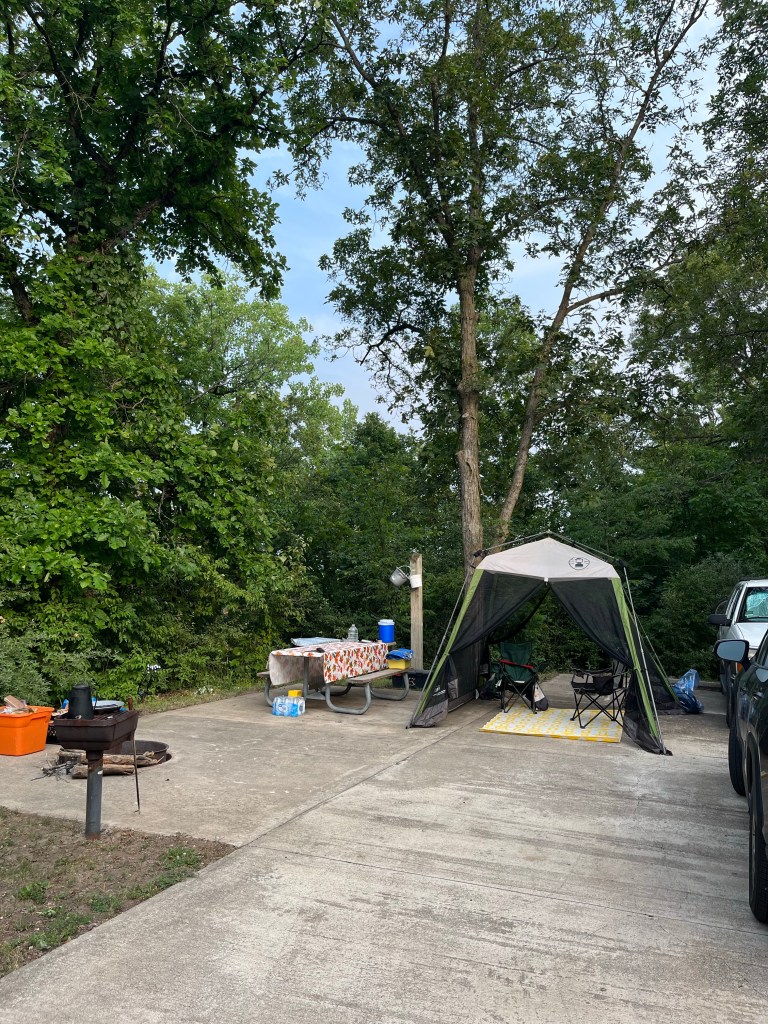
About an hour later, I heard the gang return with reinforcements. I climbed out of the tent to find five raccoons. They were hanging from the post trying to knock down our empty trash can. They had carried our water cooler to the woods and unscrewed the lid, wasting all of our washing water. I chased off the wild bunch, secured the gear a little tighter and went back to bed.
Shortly after going to sleep, I heard loud grunting next to my tent and smelled the unmistakable smell of hog. I didn’t move. Wild hogs can be very dangerous. Laying as still as possible, I listened to rustling and shuffling. The critter wandered off and I drifted back to sleep. I’m not sure in what order.
In the next hour, I awoke to more crashing. This time a larger raccoon was attempting to drag a case of canned water to the woods. It was too much for him and the raccoons were becoming to much for me. I decided that they could take everything and that I was not getting up again. In a spirit of defiance, I walked to the bathroom in the dark while dreaming of my bedroll.
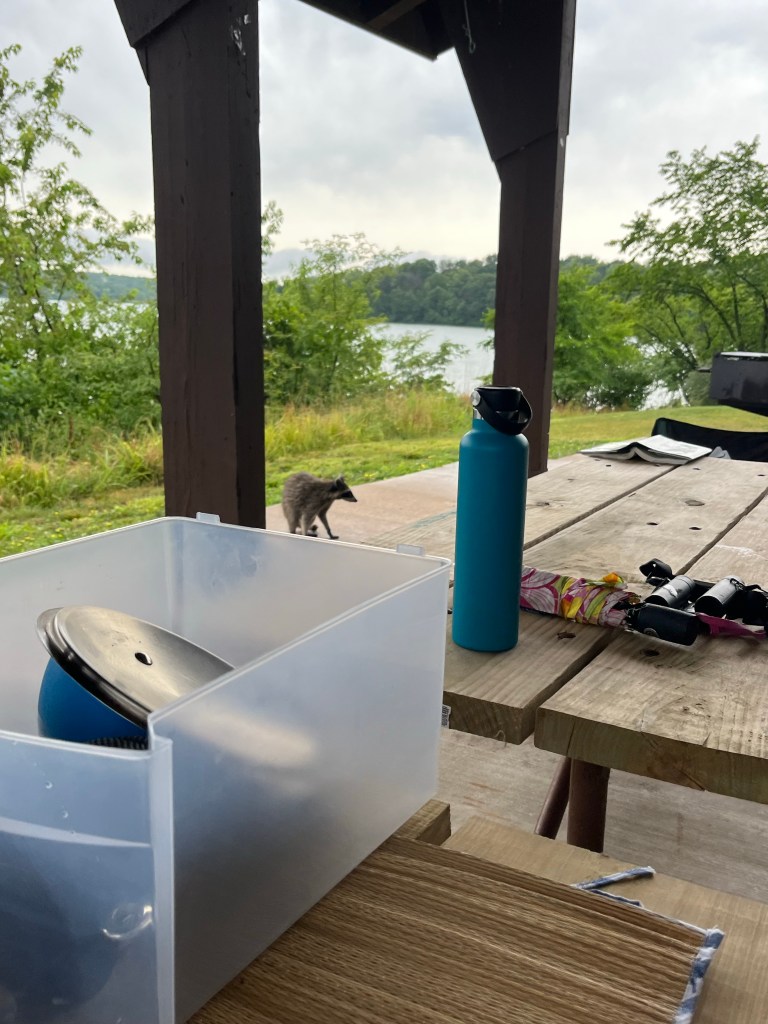
True to my word, I did not leave my tent again. Despite rustles and banging, I resisted and dozed in an out of sleep. I heard owls and coyotes. Once I heard deer walking by on mostly silent feet, a gentle rustle at the foot of the tent.
About 3am, I awoke to the sound of someone opening the car door. Except the noise of the handles moving didn’t stop. Someone was trying all the handles. Someone was breaking into the car. I jumped up and used my cell phone light to shine on the cars. There was no one there. I felt silly. It had been too long since I had been in a tent. Every little noise was bothering me, and causing dreams.
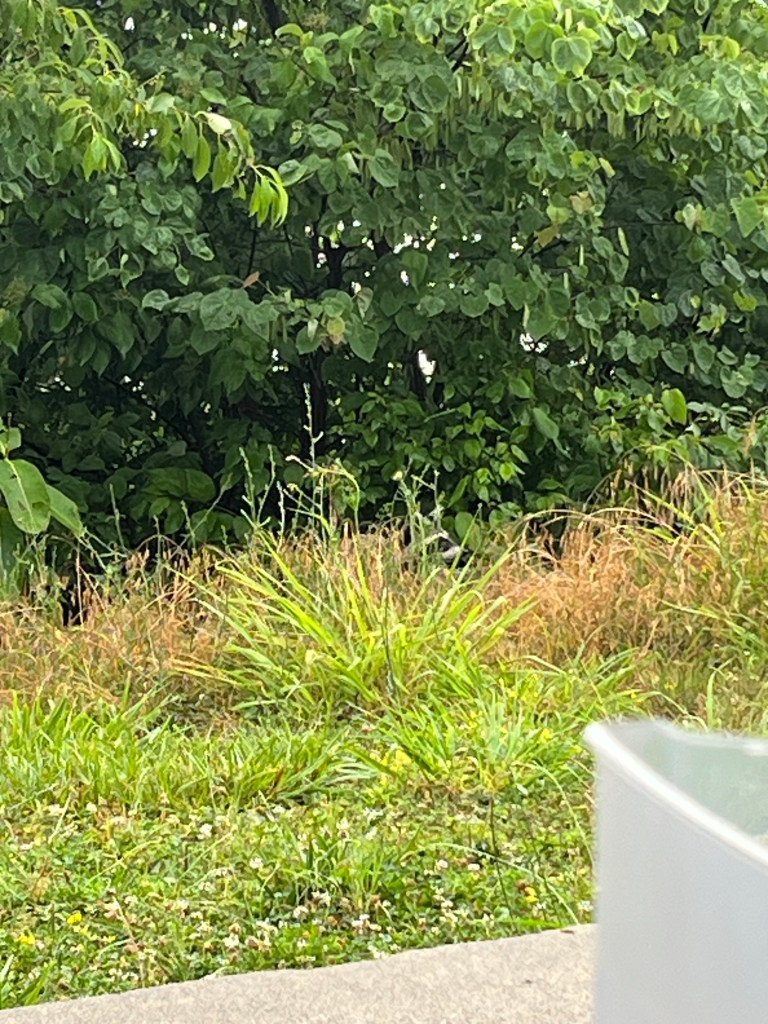
About four am, I heard my friend talking to raccoons. They managed to drag a heavy toolbox out from under the table, the tarp, and the lawn chairs. They had one side open and were dragging out anything they could reach. We lost a few spoons.
By five am I was up and building a fire. I needed campfire coffee, the elixir of life. I reset the camp again. We were the only campers in this part of the park. It was quiet, just me and the birds. I live for peaceful moments in nature. A raccoon emerged from the woods briefly and then wandered back down the hill toward the lake.

As it became brighter, my friend emerged from her tent and we swapped stories from the night. As we went to retrieve supplies for breakfast, we noticed the paw prints all over the cars. Tiny prints covered the door handles and windows. The front door of her car was ajar. I hadn’t been dreaming. Someone was attempting to break into our cars. That someone just happened to be about three feet tall, with a striped tail, and wearing a mask. We were camping with a band of experienced thieves.

I was tired. It is a good thing we came with plenty of coffee to fortify for the hike, and hike we did. I was thankful we had comfortable hammocks to accommodate an afternoon nap. I just had to hope that I didn’t wake up with a raccoon on my chest trying to remove my wedding ring. I smiled as I imagined a raccoon overlord selling camping equipment out of a cave at the base of the hill. My nap was glorious as I gently swayed in the breeze.
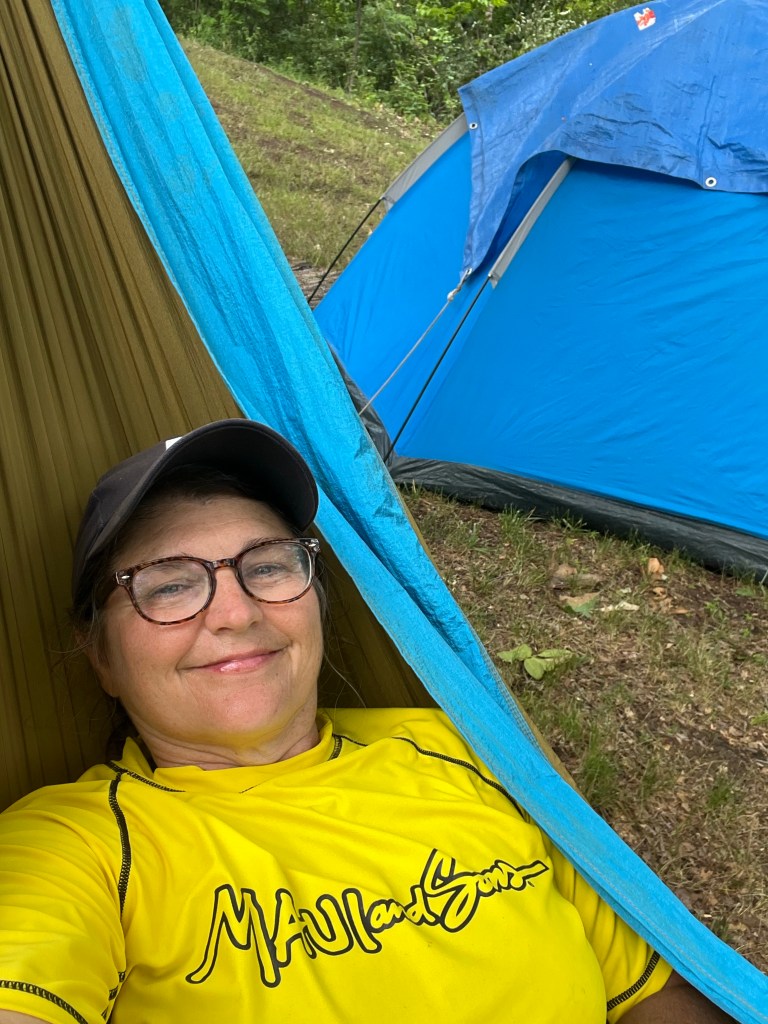
It’s a good thing raccoons are so cute and an even better thing that wildlife are protected in state parks. Although if this happens again tomorrow night, all bets are off. I will be more careful and put all loose items in my vehicle. I won’t bother them and they better not bother me. Mamma doesn’t play and she is determined to get a good night’s sleep.
-
Summer Struggles

I have a love/hate relationship with my yard. It is spacious with wonderful trees. I have small garden spaces and patios. I even have a large freestanding octagonal swing structure surrounding a fire pit. We also have delightful wildlife that, four months out of the year, turn into creatures of mass destruction.
I love to sit on the patio and side porch in the cool of the morning to listen to the birds . In the evening, the animals visit. We have rabbits, foxes, deer, raccoons, squirrels, and even a random bear. Most of the year, I love to sit in the glass sunroom and observe their adventures. Their tracks in the snow are enchanting.
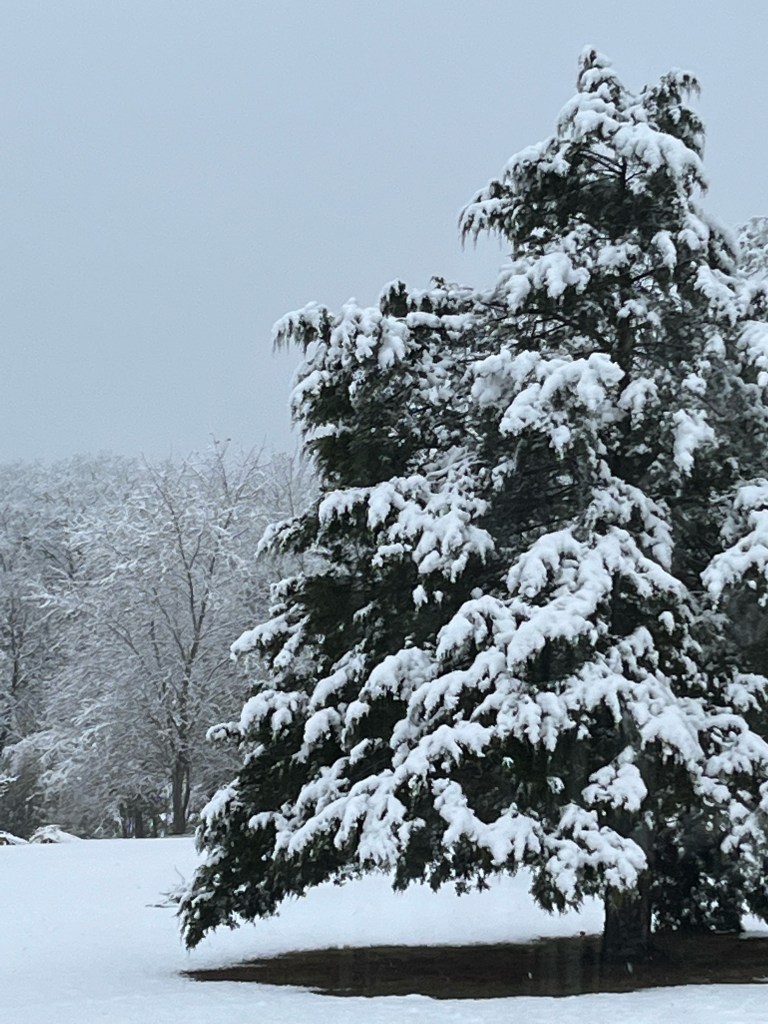
But in the summertime, it is war. I plant bulbs and the squirrels dig them up. I put out my hummingbird feeders and the woodpeckers and raccoons knock them down. The deer munch my hostas like they are at the all you can eat buffet. The rabbits chew my flowering plants off at the stem. And the beetles and worms leave my roses looking like a toddler was turned loose with a hole punch.
I love puttering around the yard, watering and weeding. I love planting and tending. But I hate waking up to mass destruction. The moles have made so many burrows that grass won’t grow in patches. Some large animal thinks the mulch under my Adirondack chairs is the perfect place to dig a sleeping hole. Repair is futile. Each day brings a new indignity.

I have a native plant area in a corner garden that happily grows wild. It is gloriously unkempt. It reminds me that the struggle is futile. We can try to control nature, but in the end nature will have its way.
Stubbornly, I refuse to surrender to the plant eating terrors that live in my yard. So before bed, I sprinkle cayenne pepper on the new growth. Take that you beasties. Perhaps in the morning instead of chewed off stems, there will be leaves missing just a bite. Small victories. I don’t ask for much, but I would like to have a few blooms.

Last night I chased a rabbit from the flower bed. He looked at me, happily munching as I clapped and yelled. He had no reaction until I charged at him waving my arms like a crazed Mr. Macgregor (random Beatrix Potter reference for those of you deprived of bedtime stories). The struggle is real.
So I will water and weed and work to keep the beasties away in the hopes of beautiful blooms. In this way, I can be assured of a few days of stunning garden. At least until we go out of town for a few days in July. Then I will come home to brown and brittle stubs which I will nurse until they become scrawny shadows of their former selves.
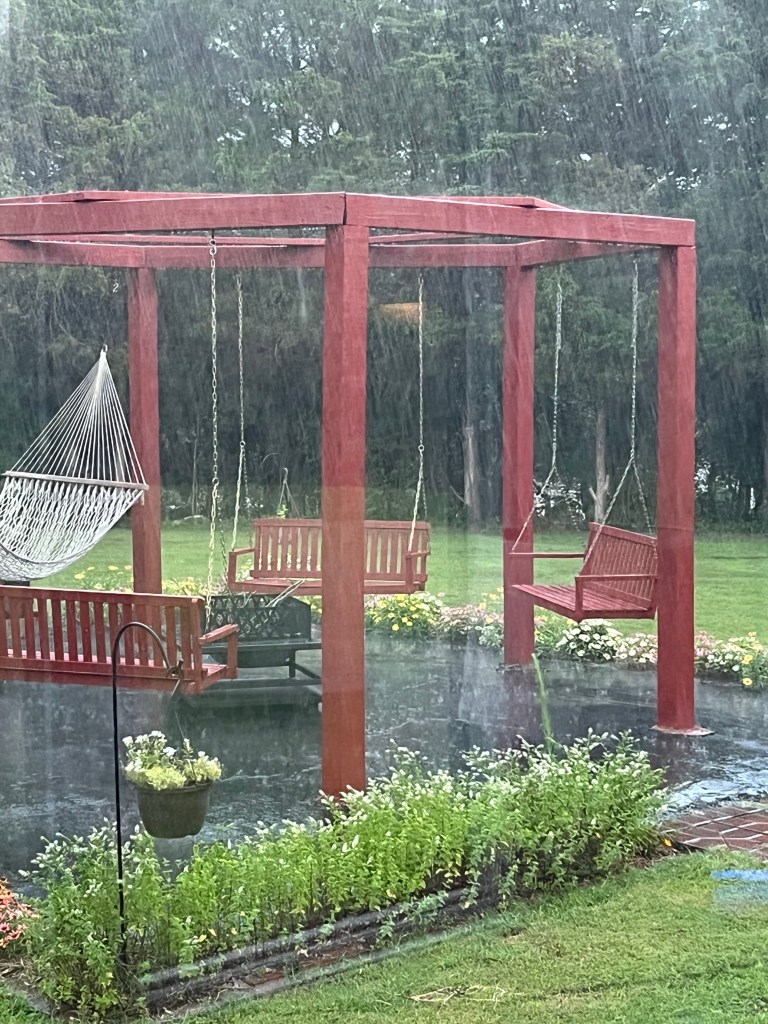
My yard is a glorious mess. And yet, hope springs eternal. I see why medieval gardens had high walls. I also know why lawns were uncommon prior to the last century and reserved for those wealthy enough to employ gardeners. As usual, my ancestors had more sense. I guess I will contemplate where I went wrong as I replant the hanging basket that the squirrels have used as a climbing gym this morning.
-
Subscribe
Subscribed
Already have a WordPress.com account? Log in now.
 Prisoner of Hopes