-
You Called
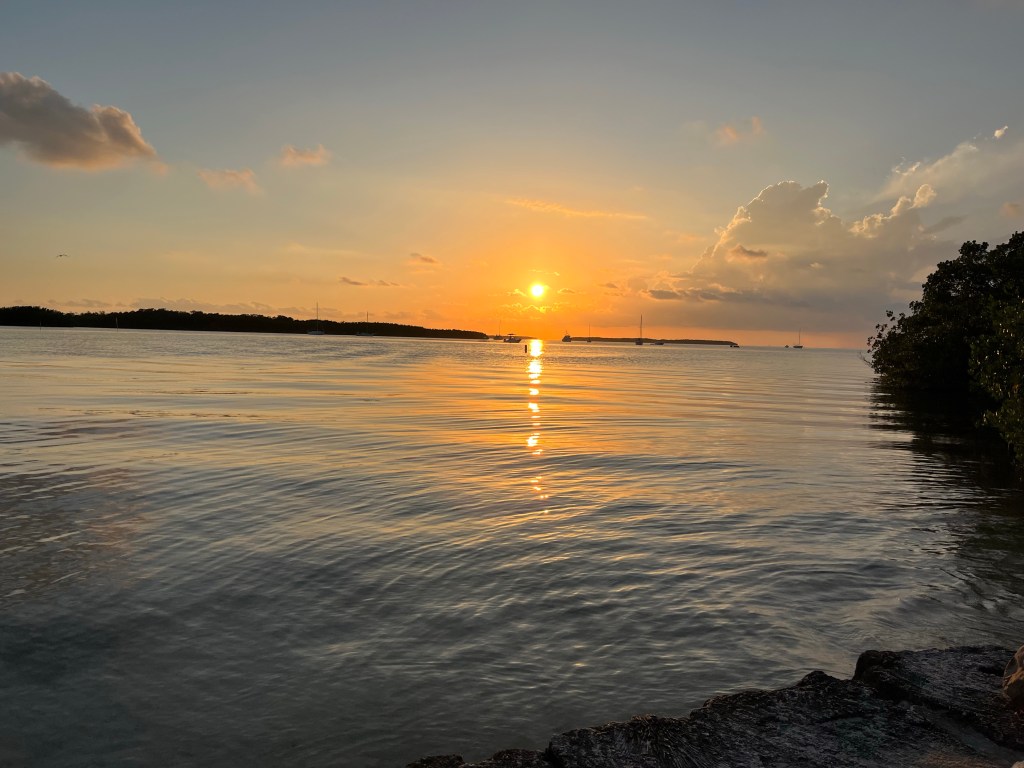
Last night, just as I was getting ready for bed, you called. I was tired and I had to get up really early this morning. I didn’t mention any of that, because you called.
Since you have grown and flown, these moments of insight into your life are rarified. Yes, I could call you and sometimes I do. But those moments when you call are special. The call lets me know that you are thinking of me and that you have things you want to share.
When you were first on your own, you only called when something was wrong. I developed a reflexive response of “what is wrong?” I didn’t really like to talk on the phone and I hated that I couldn’t see you in person.

As the years fly by, I crave your voice. If you need advice, call me. If you need a cheerleader, call me. Need a listening ear, unconditional love, a critic to speak truth to you…. Call me, call me, call me.

Because when you call me, no matter what I am doing, I feel the whispers of your chubby, baby fingers reaching out for me to pick you up and then your hand on my face as you turned my chin to get my attention. I see fingers under the bathroom door as you yelled “mom, mom, mom” when you wanted an answer that couldn’t wait for my attention.
When you tell me about the ups and downs of your job, I am remembering you running off the school bus clutching papers, eager to tell me about your triumphs and tragedies. When you tell me about your latest hobby, I am remembering the countless hours we spent at practices and performances. You tell me about the book you are reading and I remember trips to the library and endless bedtime stories.
You talk about the weather, and I know that you are already tired of the heat because you burn so easily. You talk about your health and I am listening for the way your voice modulates when you are anxious. I wish I could see your face to look for the circles I know you get when you have a migraine. But I know all the timbres of your voice, and just listening will have to do.

Last night you called and I was reminded that though you live far away, I am still your mother. You called and I immediately felt the bond that can’t be broken. My heart was rejoined to my body for the brief period of a phone call. I didn’t mention any of these feelings; it would have been weird. You called last night and I know that you are safe and happy. That is enough. I didn’t have to say anything other than, “I love you, and I’m glad you called.” You called last night and I am content.
-
Christmas Magic
As long as I can remember, in the few days before Christmas I am consumed by an unbearable desire to have everyone I love under one roof as soon as possible. I know that the family togetherness is imminent. But can’t come fast enough.

I love the rituals of Christmas. I love the trees and the presents with glittery bows. I love the lights and the ornaments. The music and the foods are like a warm blanket on a cold day, comforting and soothing.
Most of all, I love the family gatherings. In one single day, I will see my core group of family. The people who are closest to us and who shaped our very beings will be together again. We will eat, and laugh. I will shower them with gifts they likely don’t need, because it gives me joy to honor them. And for a brief moment in time, all will be right in the world.
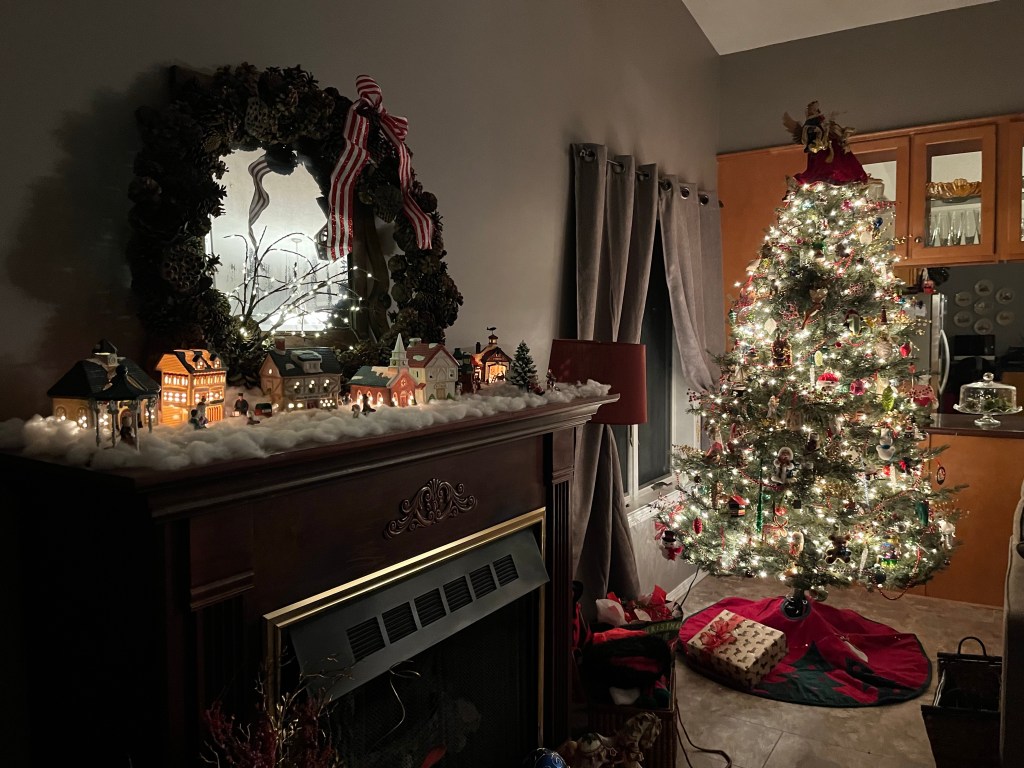
The anticipation is sometimes visceral. I wake early and pace, wondering when they will arrive. Will a storm keep the plane from flying? Will they have car trouble? I keep worry at bay with baking and cleaning and music. In my heart, I know all is well, but time seemingly stands still. I feel as if I will burst from waiting.
My happiness is complete when all the cars are in the driveway and everyone is asleep under one roof. Sometimes, I stay up all night just to relish the feeling of contentment for as long as possible.
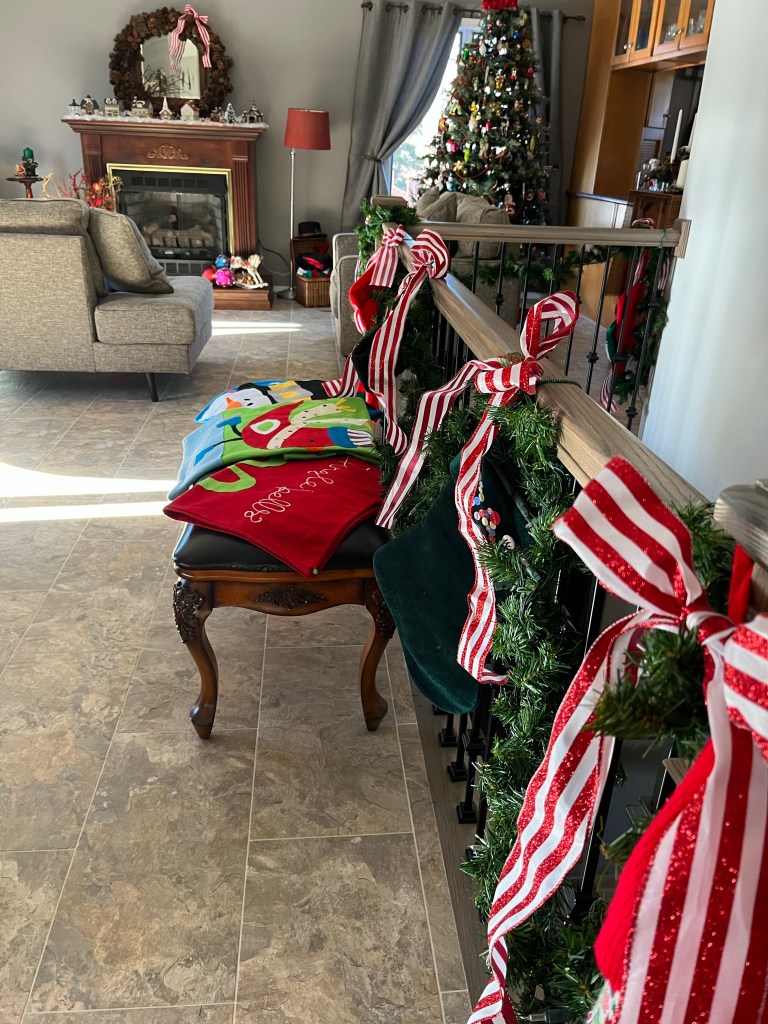
Christmas morning will move too fast. The presents will be opened and the base of the tree will again be empty. In a matter of hours, the house will again be silent as my cherished ones will go back to their lives in places far away. But for those few treasured hours, my whole world is together in one place. Christmas magic.
-
There is not a “right way” to camp
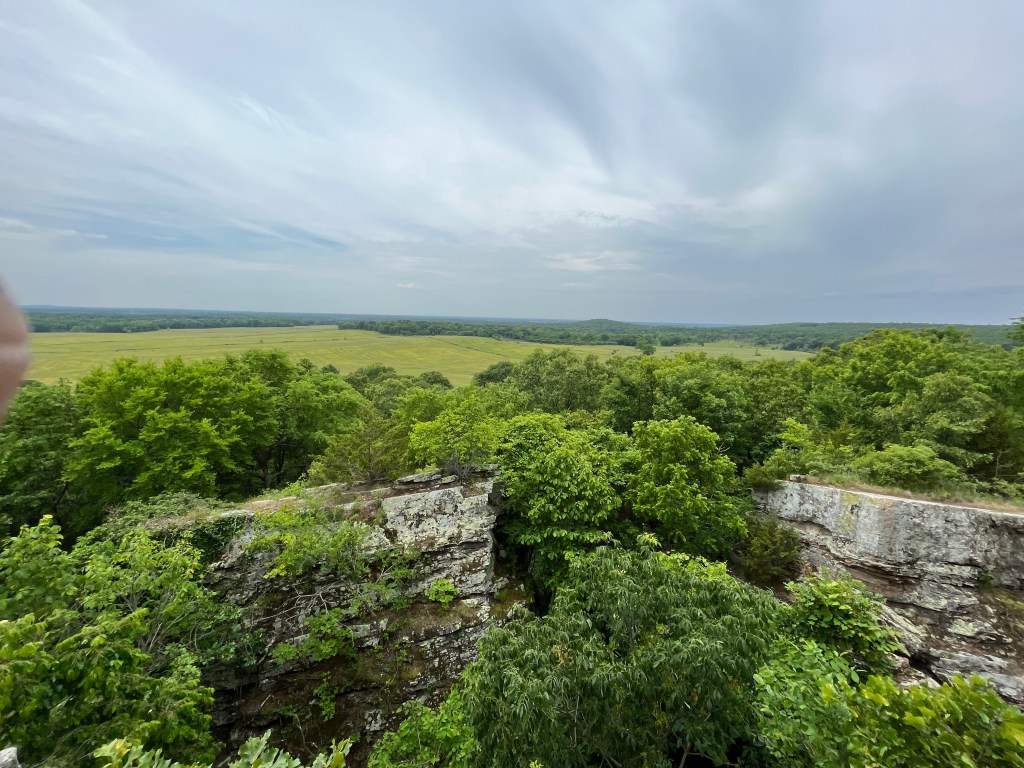
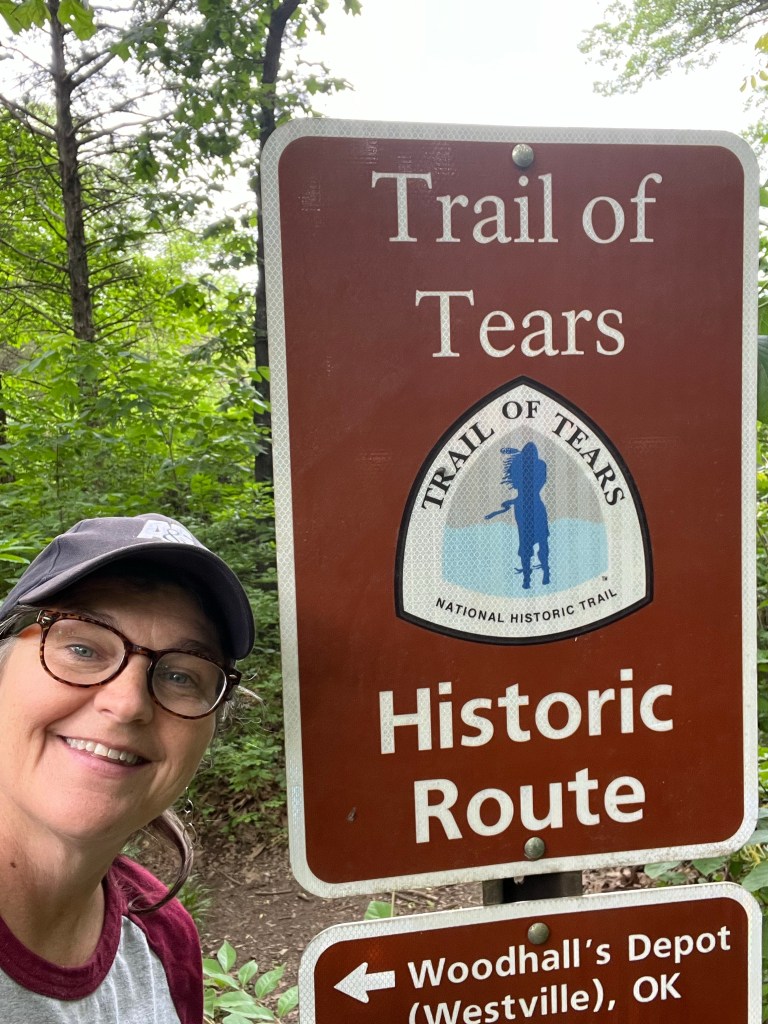
There is no right way to enjoy the outdoors. I could walk forever with a pack on my back listening to the sounds of wildlife. It is nice to have our RV parked nearby to provide a dry place to sleep and storage for clothes and food. Backpacking, tent camping, rv life, a cabin or hotel room…I have enjoyed them all.
I am happiest, closest to nature. We sit outside when we camp until time for bed. In the late afternoon, a hammock and a lounge chair are good places to regroup after an active day. The fire is eventually stoked and cooking begins over the flames.
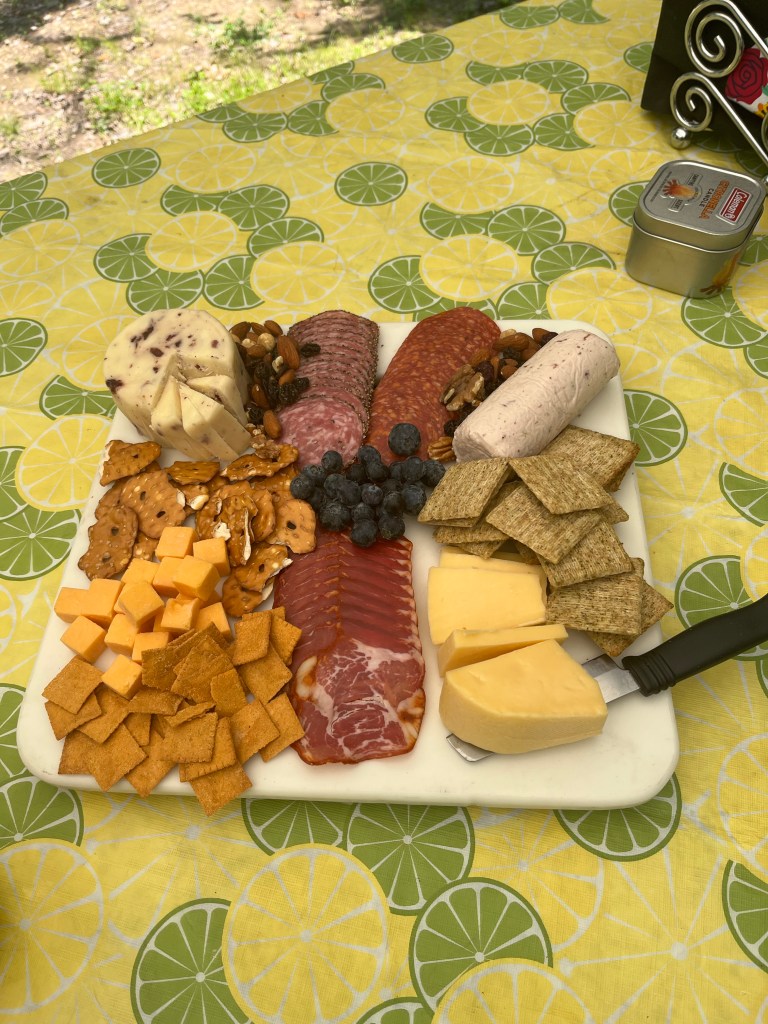
I channel my ancestors and cook in cast iron over the open flames. Biscuits and bacon is the preferred breakfast. Nothing can beat campfire coffee on a chilly morning. Dinner can be chili or bbq and a hot cherry cobbler. Sometimes we make steak smothered in butter and garlic over the fire. If you ask me, everything tastes better cooked over the flames. However, if the day is busy, simple fare such as cheese and berries can also be delightful. We take the time to savor.
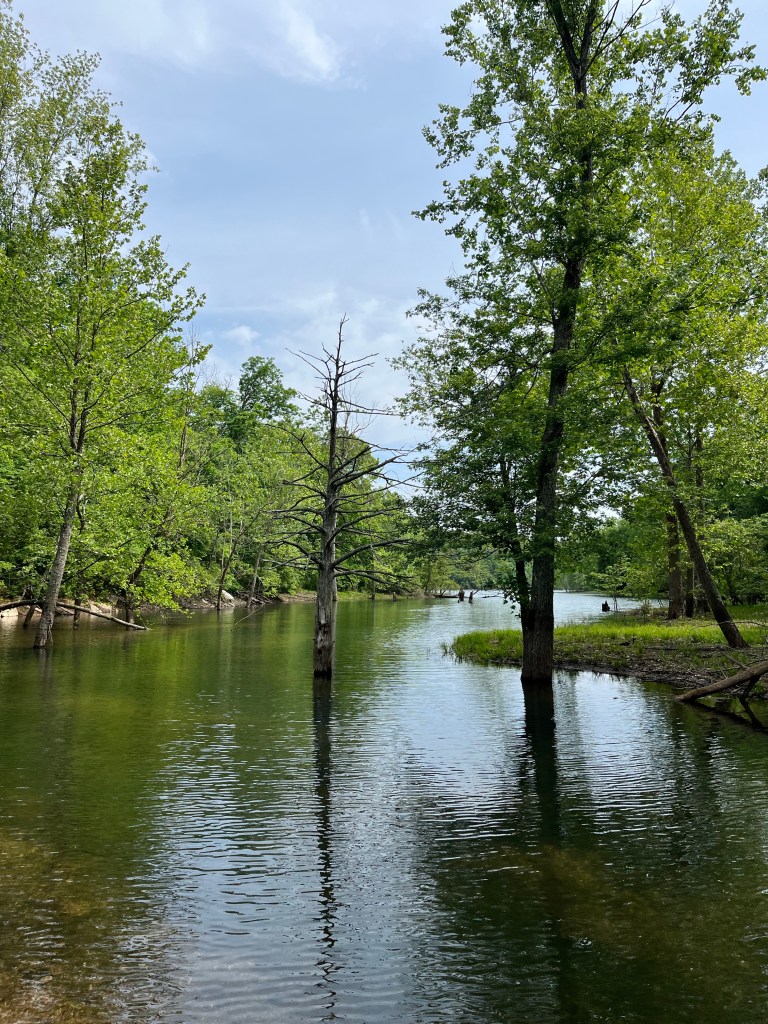
When we camp, we are usually active. A bike ride around the campground or a stroll to the lakeside provides relaxing entertainment. Along the way, we talk to fellow campers. I also talk to the squirrels, deer, and birds that live in the area. It is good to be outdoors.
My husband and I don’t always agree on the best way to spend our time camping. I have never seen a trail that I didn’t want to explore. Sometimes he isn’t all that interested. Some days I really want to paddle the lake. He can’t seem to find a kayak he likes. Some days he wants to sit in the creek and I find the water too cold. Some days he wants to sleep late, and I am usually up with the dawn struggling to be quiet so he can sleep. Our idea of a perfect day can differ. But we make it work, because there is not a right way to camp.
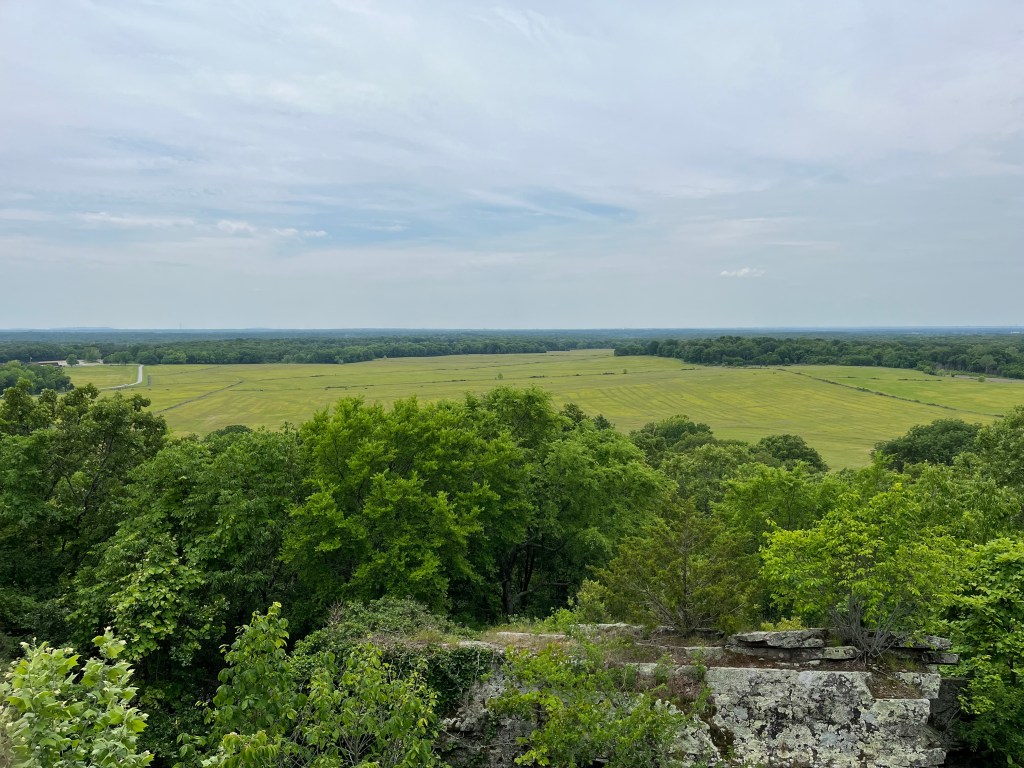
I’ve been camping my entire life. Luckily, my parents and grandparents also ventured outdoors. It is part of me. Within the past two years, however, I have noticed a subtle shift at campgrounds. The rigs have gotten steadily bigger. The campers seem more interested with their toys than the environment they came to enjoy. They leave behind more trash. Everyone has facing hiking gear and expensive recreational equipment. I want to weep when I am on the trail and hear the buzz of a drone or the whine of an atv. I can’t help the nostalgia for an earlier and simpler time.
RVs with outdoor televisions and loud speakers overshadow the sounds of the owls and crickets. Our neighbors for the last four days didn’t even come outside their giant RV. The man stepped out once each day for 10 to 15 minutes. One afternoon he used his outside time to power wash his campsite pad. The next day he polished his car fender for 10 minutes before heading back inside. I suppose the idea of being in the woods gave him joy, even if he spent his daily 10 minutes of outside time trying to rid his site of all traces of nature. There is no right way to camp.
I must admit that I don’t understand those who drive to the woods with a miniature house and never step foot outside. I don’t understand how you could declare a campfire too dirty to mess with. I am unsure why, if you are not coming outside, that you have to light up the night with lights that make your campsite look like spotlights after a prison break.
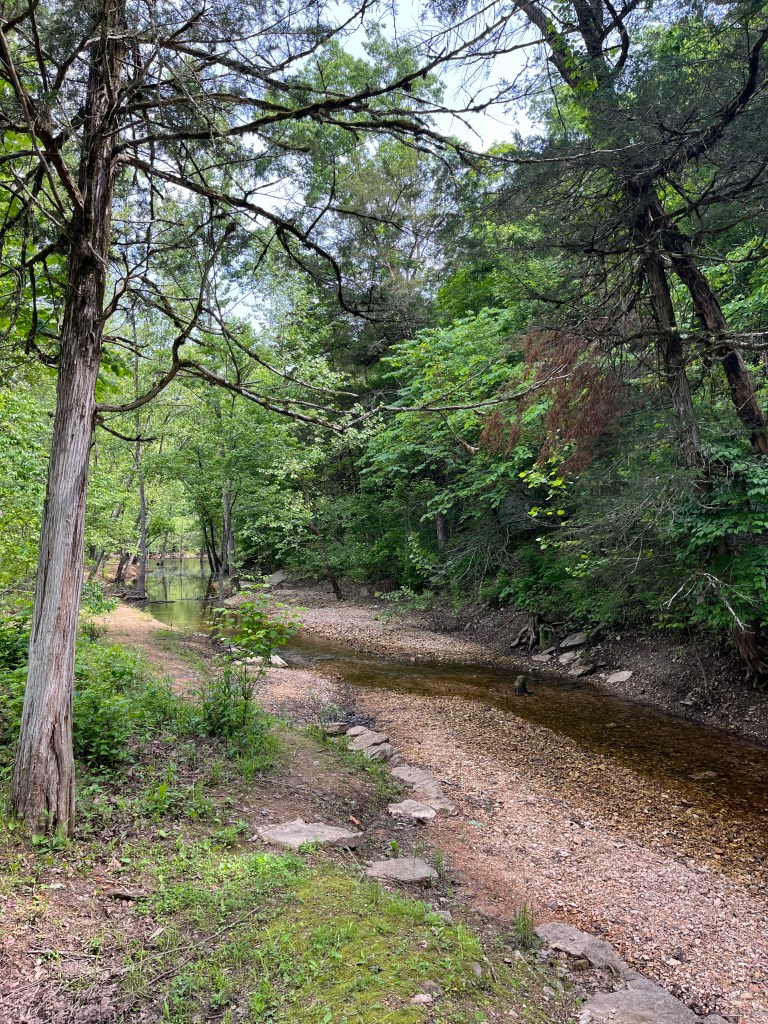
However, there is no right way to camp, if it gives you joy and you aren’t ruining the experience for everyone. When our children were little, we traveled in a small camper van. I didn’t cook on vacation. It was too hard with two small children in a van. We lived on juice boxes and cheese sticks until we could find a restaurant. We would roll into camp at evening and be gone in the morning (because the van was our transport for the day). It worked for us in that season.
This past camping trip, college students formed a tent city just down the hill. They were loud and reckless. They rode motorcycles too fast and chased each other with water guns. One of the girls confused me with someone’s grandparent (a first experience that I am not sure how to process). And they were also polite and friendly (except for the “sorry, I mistook you for my boyfriend’s grandmother” comment). They had a great time but respected quiet hours.
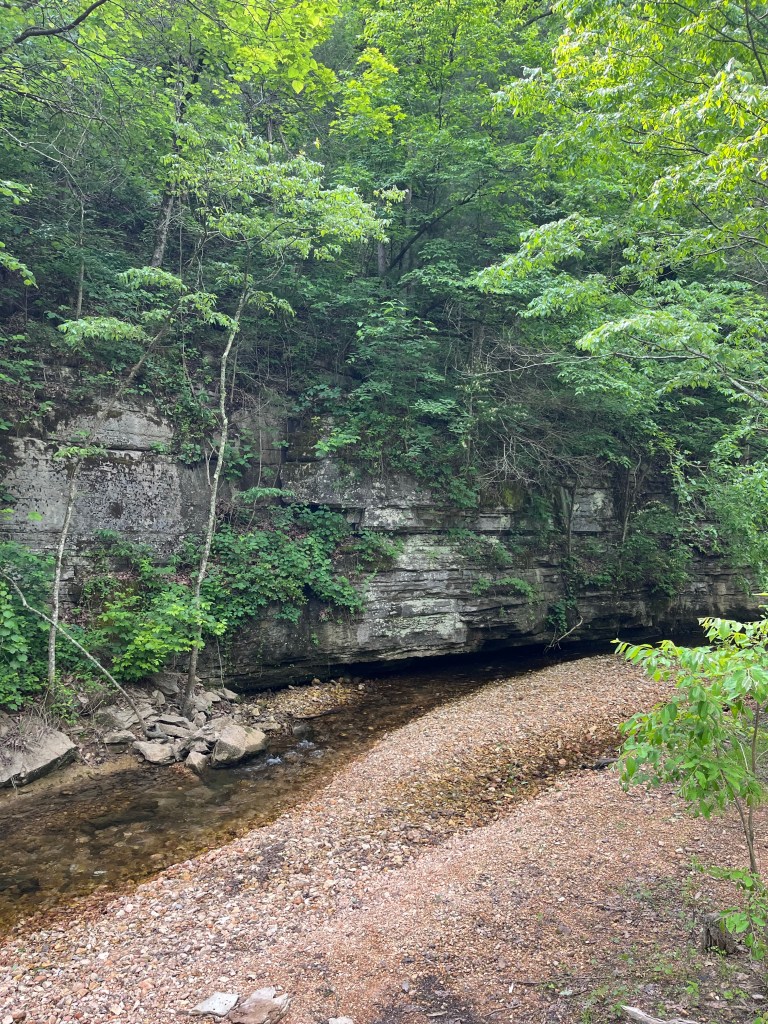
While there is no right way to camp, you do need to respect your neighbors. I understand my need for solitude and the sounds of nature and so we always try to select sites that are large and facing the forest. If I park next to “bring my home to the woods and have an outdoor theater/dance party” family, we try to make friends early and realize that solitude may not be on the menu. If our neighbors have small children, we try to befriend them and enjoy their antics as they encounter nature. It is hard not to smile when you hear a child shouting, “come see…come see….it is a GIANT ant!” If we set camp next to the “rolling fortress couple” and no one emerges from inside, I shake my head and wonder why they made the effort. You do you. At least they won’t be loud … although I may have to endure their neon nightlights. There is no right way to camp.
There is definitely a right way to be fellow camper…friendly….accepting….courteous….and conscious that you have joined a voluntary community of people seeking respite from their everyday life. Happy camping, neighbor.
-
Serenity
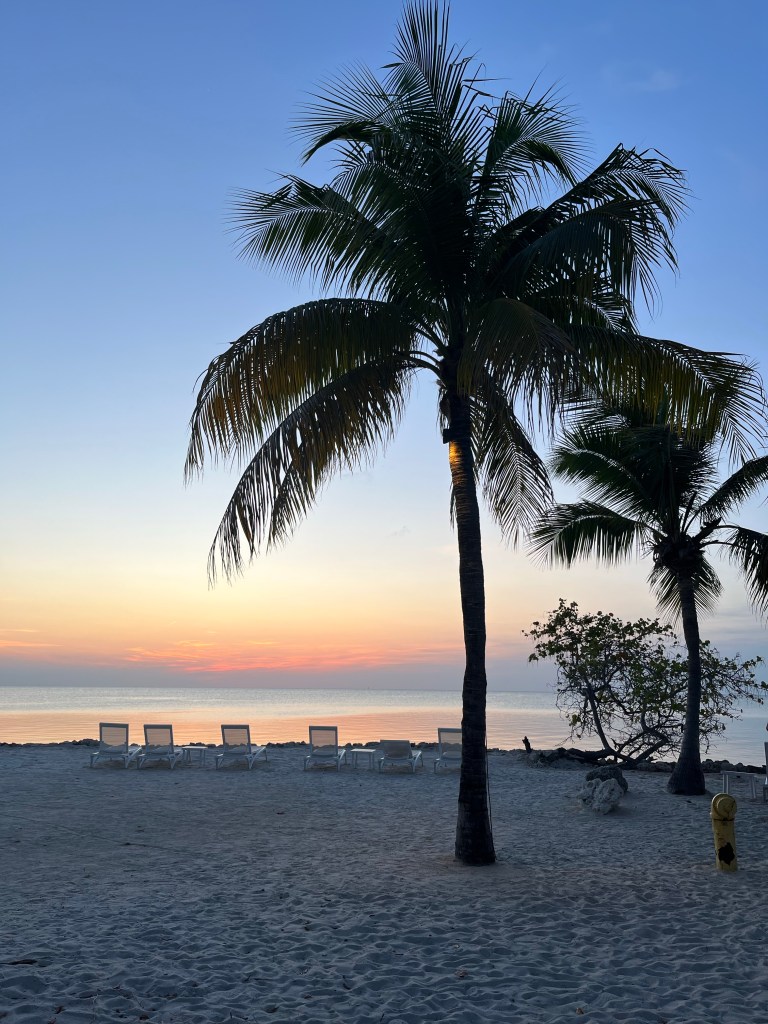
Up at dawn, I sip my coffee in solitude and say a prayer of gratitude. It is peaceful. The birds are making the small chirping sounds that accompany a new day. My family thinks I’m a little crazy for getting up with the sun each day. But to me, it is serene. A time when I can fully be in the moment without distraction.
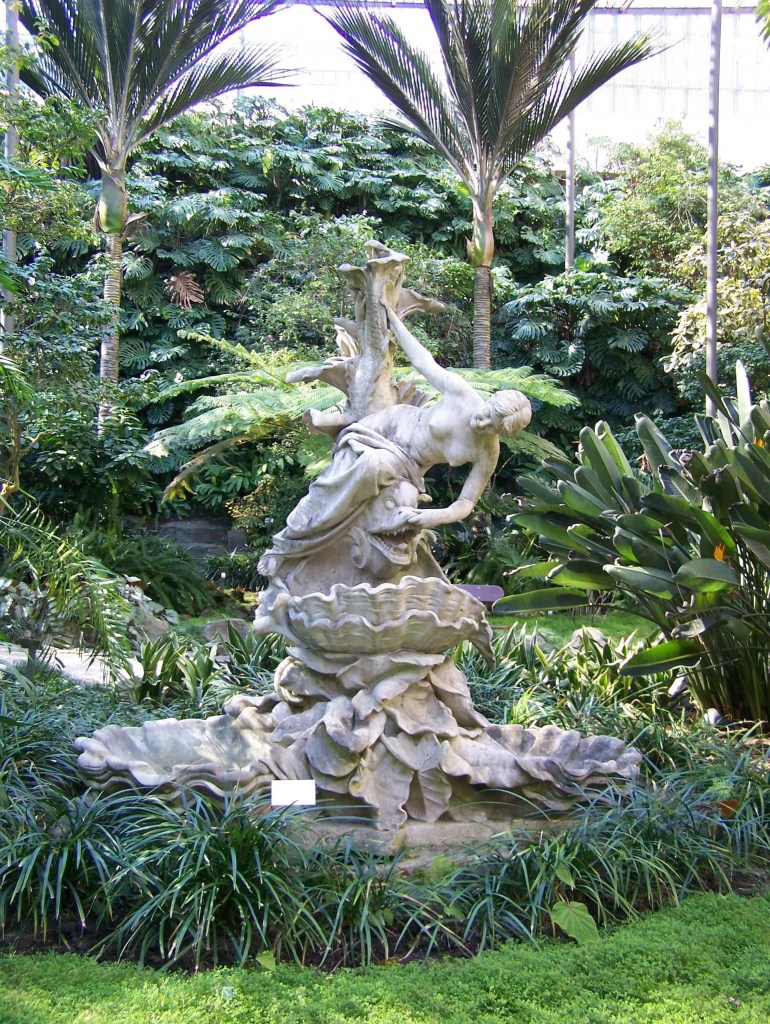
Serenity (the state of being calm and untroubled) seems to be in short supply. The idea of being at peace seems almost countercultural. Media feeds on turmoil. Advertisement preys on insecurities. People thrive on challenge and conflict. But when I walk in nature, everything melts away. Serenity makes its home in a garden. The woods are a cathedral of calm.
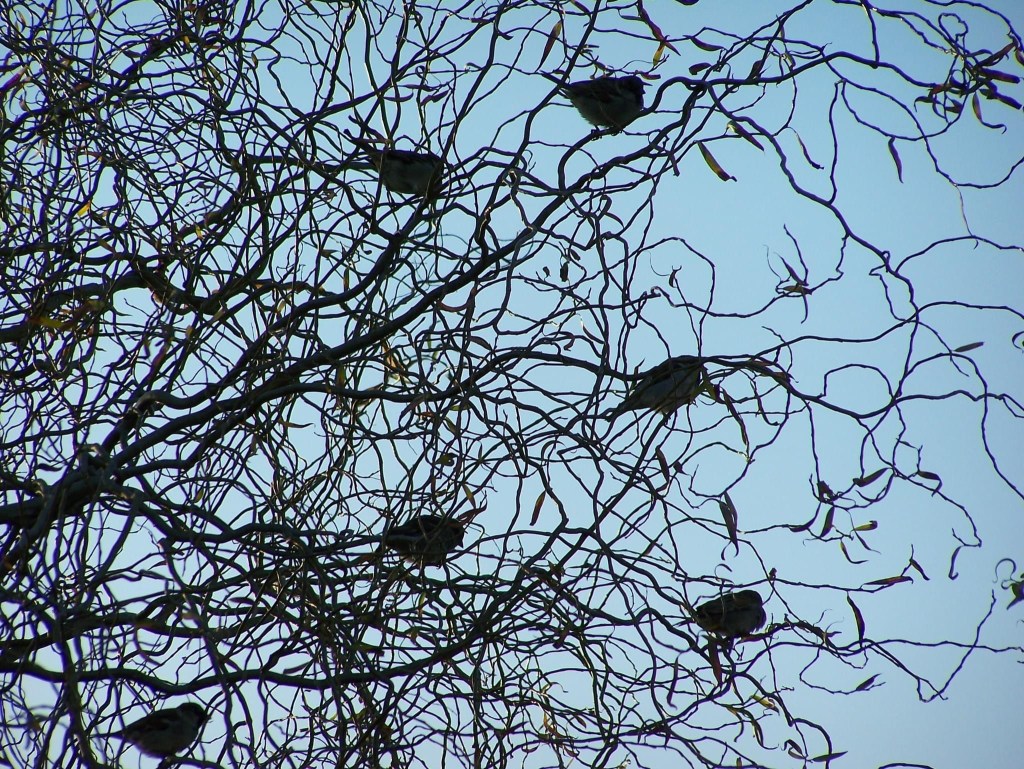
I’m finding that to grasp these little cherished moments of peace, I have to slow down. I have to make time to be still and unplugged. Sometimes serenity comes by simply noticing the beauty of my surroundings. The way a tree outlines the sky can be breathtaking. The black and white photographs from bygone adventure elicit happy memories. Everyday objects are really quite extraordinary when you take the time to look.

So occasionally, I lay in my hammock and I watch the contrails of planes overhead. I make pictures out of clouds. I feel the warmth of the sun on my face and the breeze in my hair. In these moments, I am happy to be alive and the world seems full of promise. I wonder why I sometimes let the noise of the world steal my joy. We live in an age of ease and comfort unprecedented in human history and yet social media screams our discontent. Daily reminders that we should upset or indignant bombard us. It is exhausting. At the end of a long day of dealing with people and problems, the hammock is my peaceful place.

Other days, I find a location and I intentionally sip my coffee. On the best days, I have brewed the coffee over an open fire and can smell the smoke and crisp aroma of the beans. Most days, I set up the drip coffee maker in the faint light of dawn, trying not to spill the water across the counter. Occasionally, I visit a cafe and enjoy the foamy goodness of a latte or a London Fog. Many evenings I brew the perfect cup of tea with a splash of honey. Serenity in a cup. A ritual of calming.

The Bible has a lot to say about serenity. 365 times, we are told not to be afraid. We are asked to cast our anxiety away and instead to trust in the goodness of God. For me, serenity is only achieved by slowing down and deliberately noticing the goodness, beauty, and blessings that surround me.
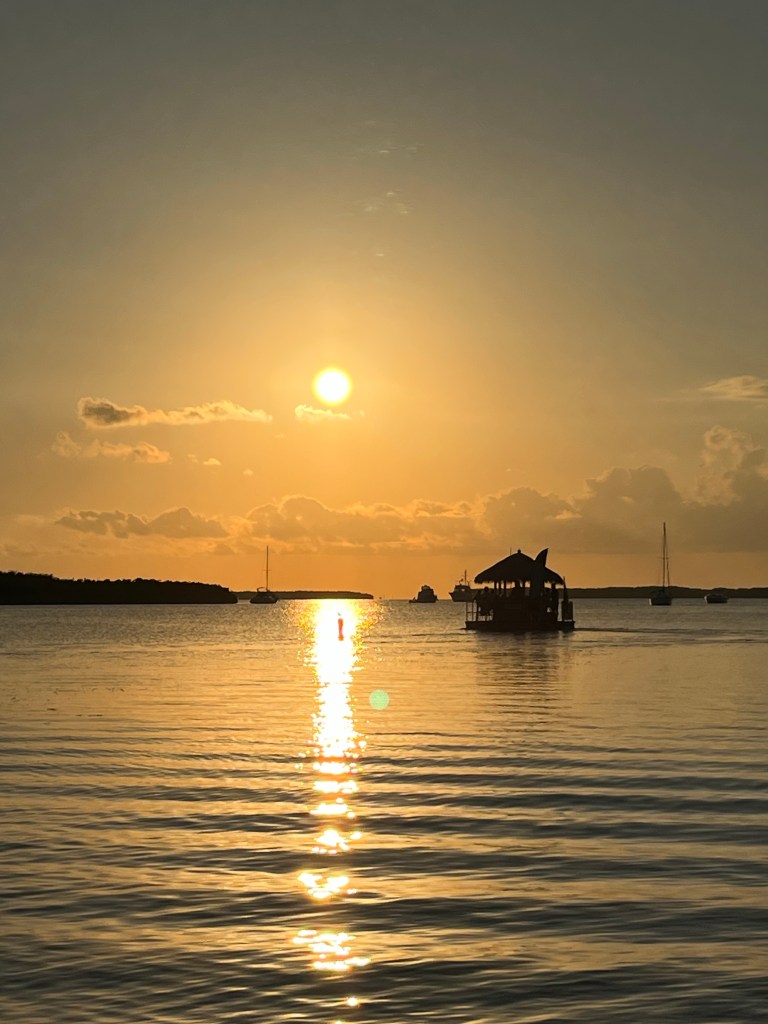
There is time enough for troubles in the hectic pace of life. Seeking the serene in every day moments is a conscious choice. It takes only a few brief moments to take a deep breathe, to appreciate the beauty of a flower, to savor the smile of a friend, to smell the aroma of a great meal, and to be thankful for the experience. I have learned that I can’t wait for peace, I must seek it. Even when all seems chaos, serenity awaits.
-
Making Do
There is a game I play on a regular basis. Perhaps challenge is the better word. I look in the pantry and refrigerator to figure out how random and abandoned items can be turned into a meal. This purging of the remnants is cathartic.
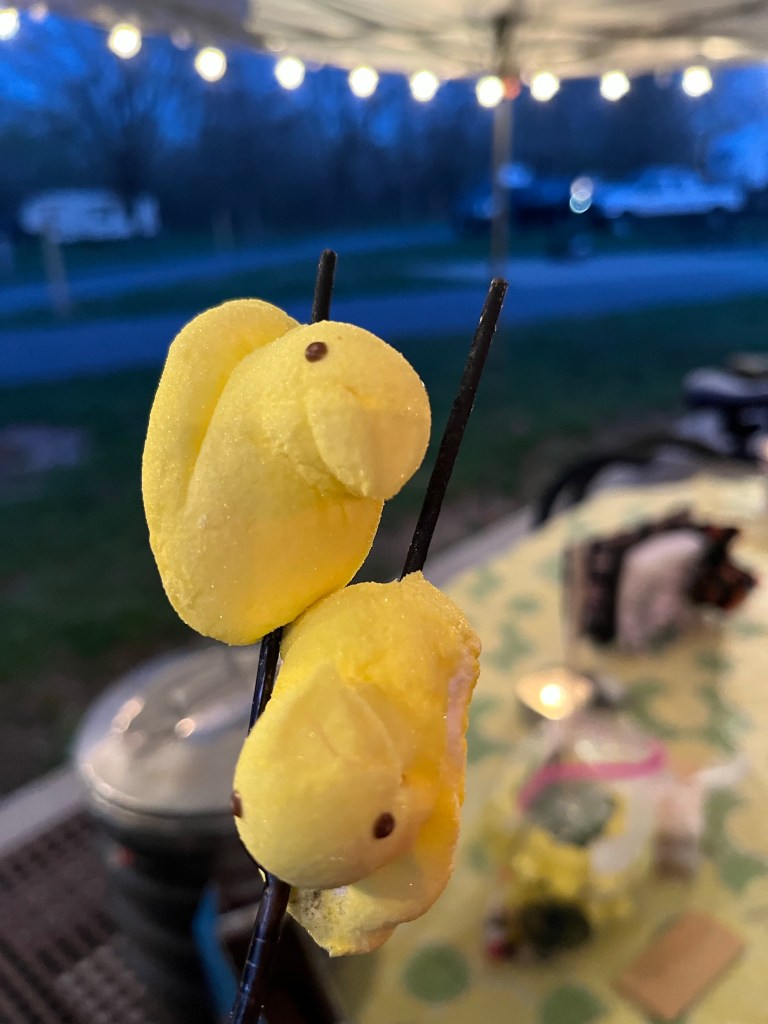
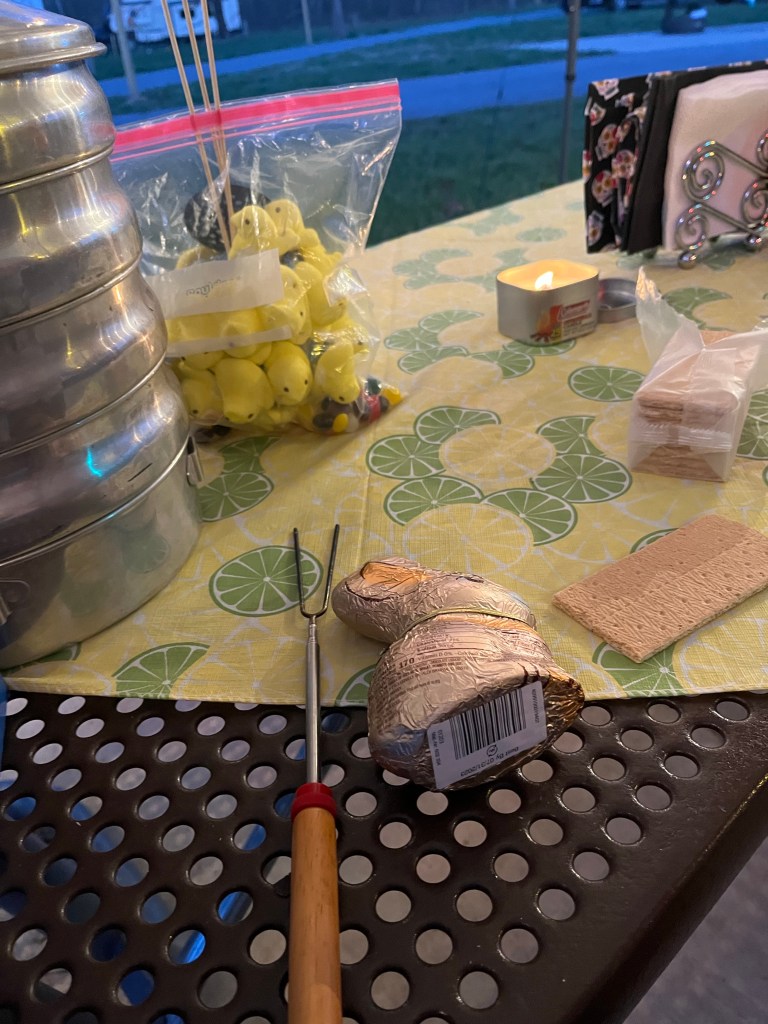
This Easter we took our first camping trip of the season. I had a plan. We would use up the Easter candy that was part of the table decoration at the family gathering. We would make s’mores out of peeps, a chocolate bunny, and graham crackers.
My husband just shook his head and smiled. His job is to make the s’mores. My job is to assemble the ingredients. Despite being unsure of the outcome, they were actually delicious. And we didn’t have to waste food. (Are peeps actually considered food?)

In all seriousness, I hate waste. I don’t like to throw away usable items. I get a little thrill when I can repurpose an item. I am genuinely enthralled with resale shops. Not only do I regularly donate items, it is my shopping venue of choice. Reduce, reuse, and recycle…words to live by.
When I travel, I notice how much Americans waste in comparison to how others live. I want to do better. Recently we were walking through an underground passage in Lisbon. People had set up a camp in a corner of the walkway that was well lit. They had a mattress, some clothing, and a few bowls. I was reminded of how little we actually need as humans. I was painfully aware that they had to “make do” not as a fun pastime but as a matter of necessity.
I am blessed beyond measure. Even so, I can be tricked into thinking I need even more. It takes moments of clarity, to wake me up from my entitlement.
When confronted with poverty and abject need, people are often afraid (as if it might rub off). We look away, we turn from it and attempt to accumulate more and more. We are sure that the more we have, the less we need to worry. Self worth becomes tied to things.
On a trip to South Africa, I visited an area that one might call a slum. An entire city made of things others had thrown away. The “store” was a roadside shack where you brought refuse you found that might be useful and traded it for refuse you might need. I watched a teenage boy bring in two used tires he found along the highway to trade for a bucket and a sheet of tin. An elderly man traded coke bottles for a roll of toilet paper.
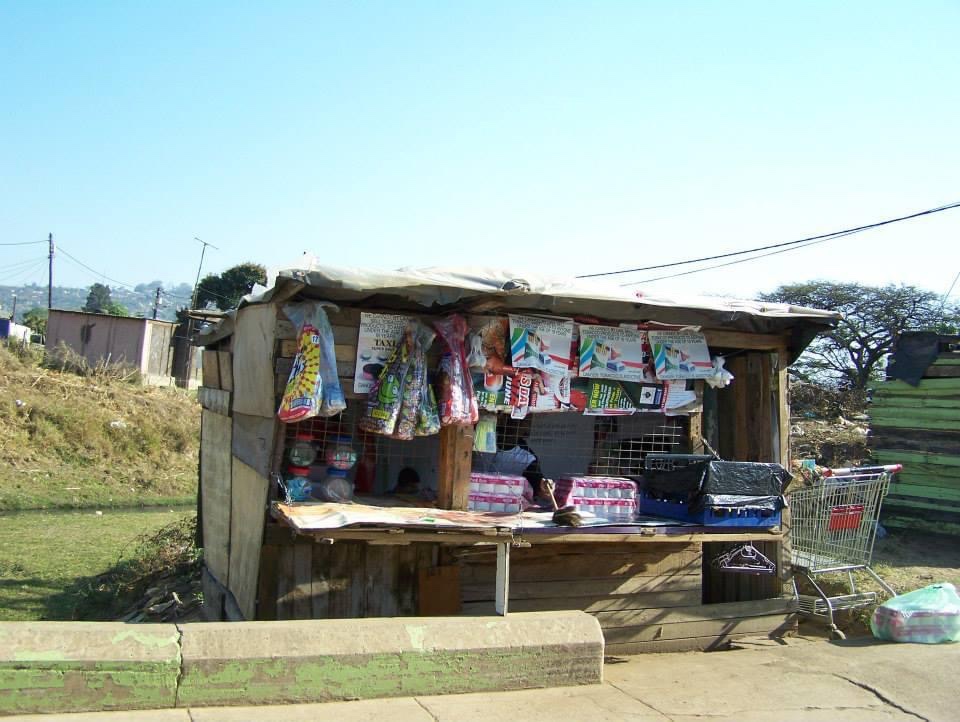
Making do in this African village was an art form. Houses were shaped of scraps of wood, tarps, plastic and card board. Shoes were made from rags pieces of tire. I actually bought a beautiful purse from a woman that had been shaped from a used tire.

Despite the lack of material wealth, on Sunday morning hundreds of people gathered in the brightest white clothing I had ever seen (a fact that impressed me because there were no washing machines readily available). In perfect harmony, they sang praise to God for his provision and his many blessings. I stood on the hillside. I looked across the sea of joyful people dressed in white giving thanks for the refuse they bartered to survive and I wept. The experience changed me.
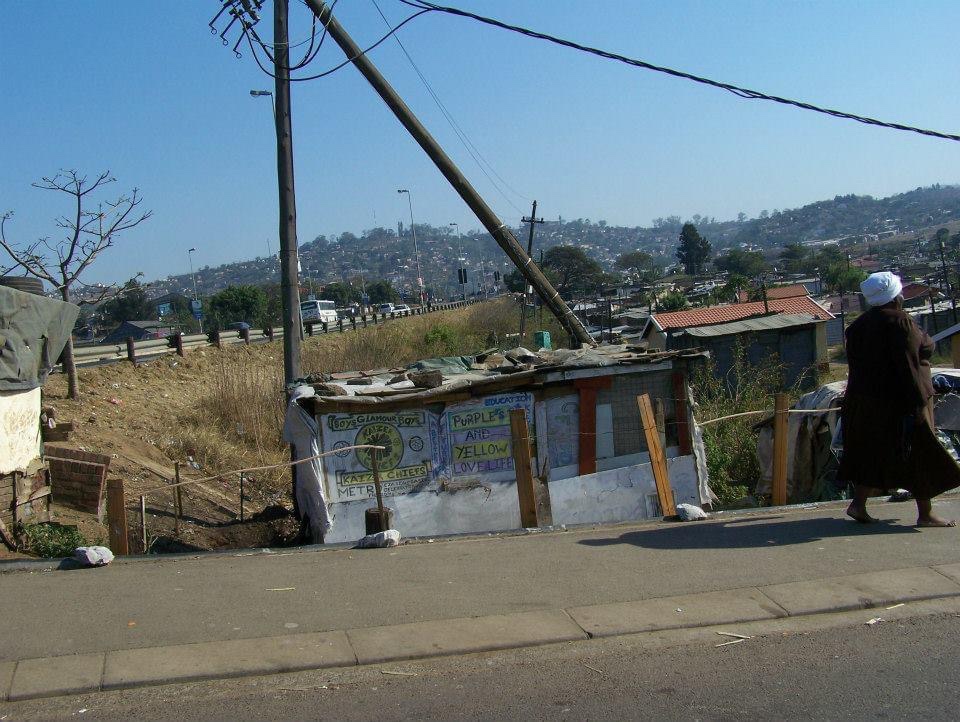
I have to discipline my American self to use less and to share more. It is almost counter cultural, in the land where more is always best. The land of the Big Gulp, Big Mac and super size fries is not known for moderation. How do we remember that people are always more important than things and that the common good is always a higher calling than individual greed? I will resist the urge to sermonize, however, my faith demands that I practice stewardship.
“Making do” for me is good fun. I get a thrill when I can rescue the wilted produce in the bottom of the refrigerator before I have to throw it out. I feel triumphant when I successfully buy a dress or pair of shoes for a dollar at the local charity shop. But I know that for others, making do is not a game. Reduce, reuse, and recycle is ultimately good for all of us.
-
In Search of the Order of Christ: Travel Goals
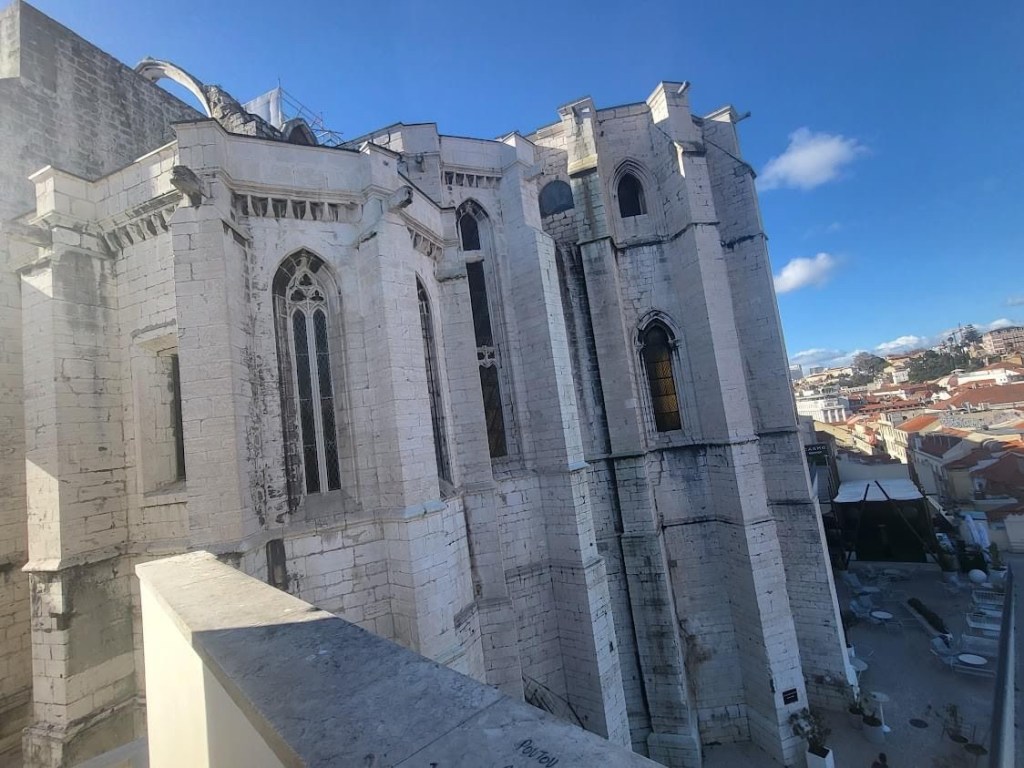
Templar knights…the very words evoke images of adventure and piety. The warrior priests who vow to take back and defend the holy land against the infidels are the stuff of legends. With my head full of images from books and film, we took the train to Tomar. Tomar was a city built as a Templar base in Portugal in the 1100’s at the start of the Crusades.
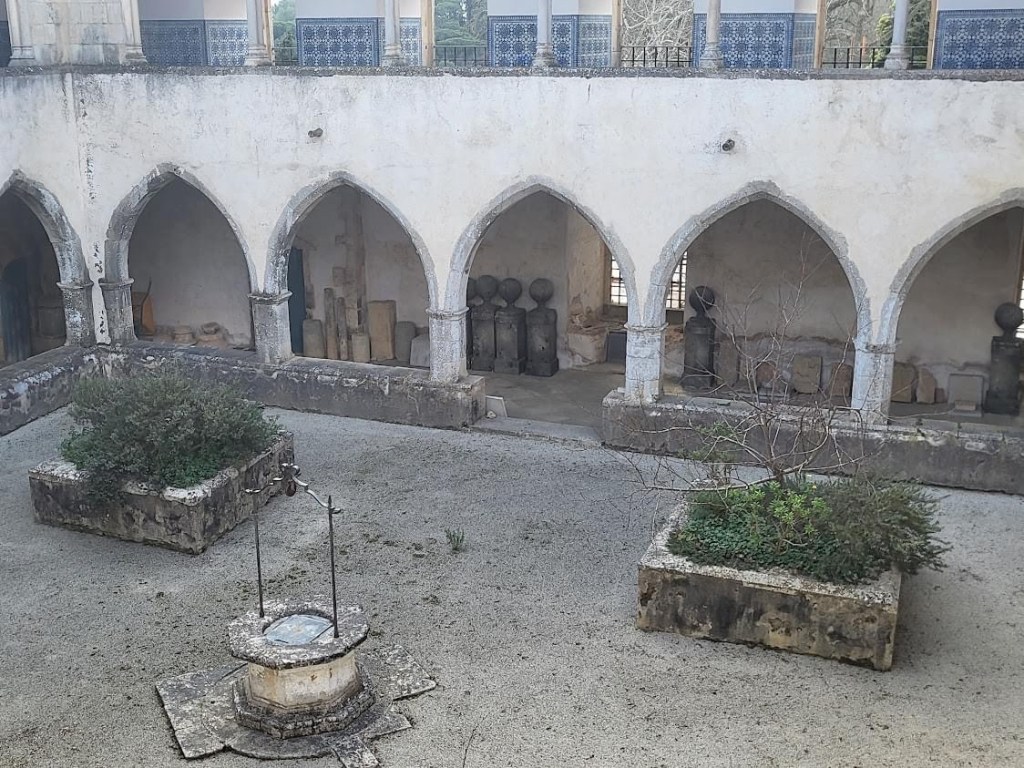
While the movies romanticize the Templars, in reality they existed to protect pilgrims to the Holy Land. Only about 10% of its members were knights. Their numbers included brothers who fed the poor and looked after lands while the owners set out for the holy land. Women were also part of the order (although I have never seen that in a movie).
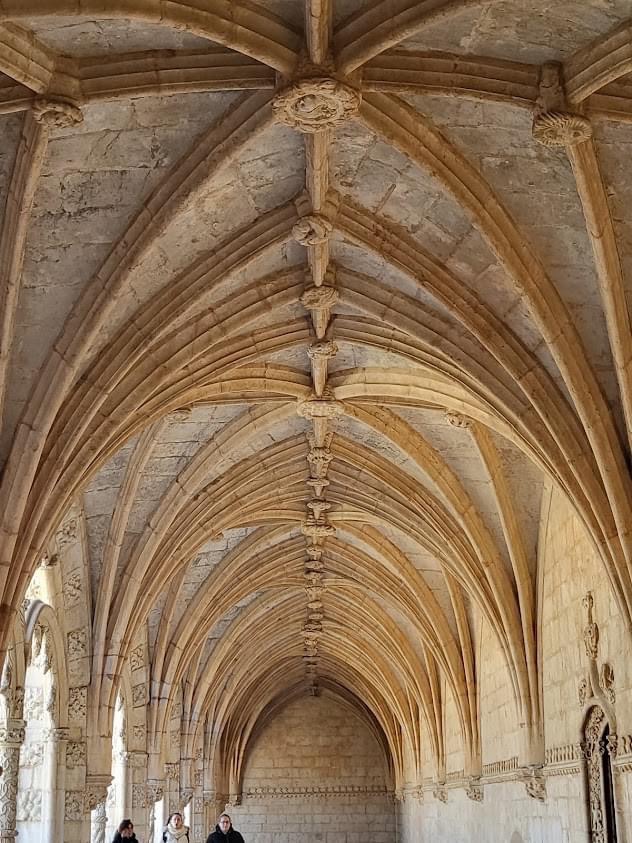
The Convent de Christo in Tomar is huge, the size of a small city. The Templar order had deep roots in Portugal and throughout Europe. They cultivated close ties with the Catholic Church, royalty and the nobility. Over time, the services of the Templars expanded to hospitals and agriculture. Donations to the Templars rolled in as they established systems to help the poor and to reestablish communities in the Holy Land.
Templars invented the first checking system, where travelers could deposit money with the Templars in Portugal and present a letter of credit once in Jerusalem or Acre. This allowed travelers to have access to money without having to travel with large sums. Some consider the Templars the world’s first multinational corporation.
Through hard work, donations, and wise investments, the Templars became very, very wealthy. Even then, large stores of wealth provoked envy and greed. King Philip of France owed a tremendous debt to the Templars. Over time he began to circulate rumors that the Templars were immoral. He had Templar knights in France arrested and tortured so that they would make false confessions. He burned the Grand Master at the stake. Money over truth. Murder to cover crime.

Although the Pope agreed to the Templar’s innocence, he disbanded the Templars and divested their resources. The scandal was to great and too many people blindly followed the rumors. It seems that people love a good conspiracy theory, even in the Middle Ages.
The unjust persecution happened in every country except Portugal. Instead, King Denis welcomed the disgraced and fugitive Templars and renamed them the Order of Christ. Tomar became a refuge, the epicenter of the regrouping. A new identity was created with the Pope’s blessing
With some funds intact and a new name, the Order of Christ expanded the monastery at Tomar. A young Grand Master, Prince Henry the Navigator put the knowledge of the Templars to use. He began to accumulate all available knowledge to stage Portuguese exploration around the world. The safe transfer of funds and goods, the logistical travel expertise, navigation, mapping, financing, the building of outposts and missions, as well as countless other lessons learned in the Templar quest for the holy land were put to use for the glory of Portugal.

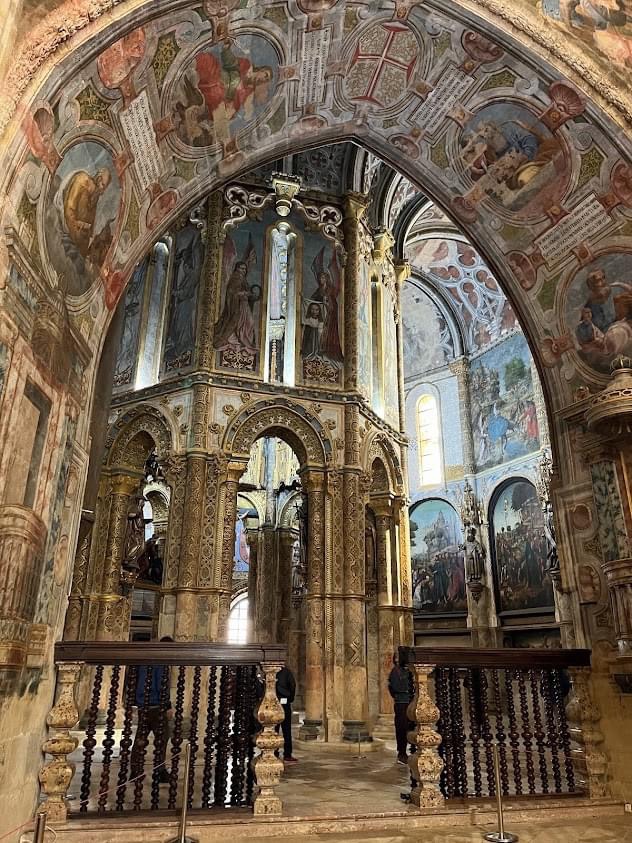
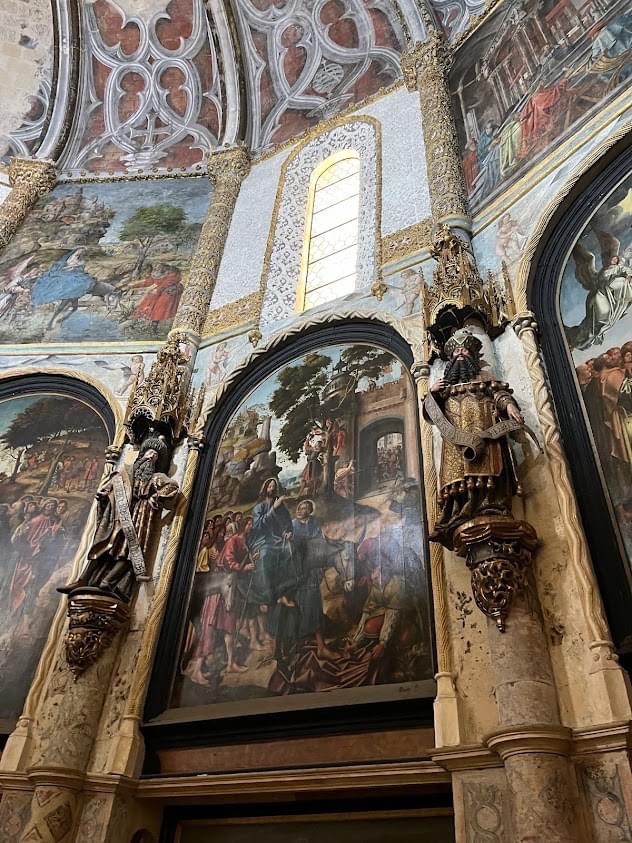
As exploration expanded, the Order of Christ assumed a place of honor in Portugal. Funds rolled in from the colonies and the Convent de Christo continued to expand. No expense was spared in the chapel. The round unique chapel is a truly exquisite masterpiece to the Glory of God.
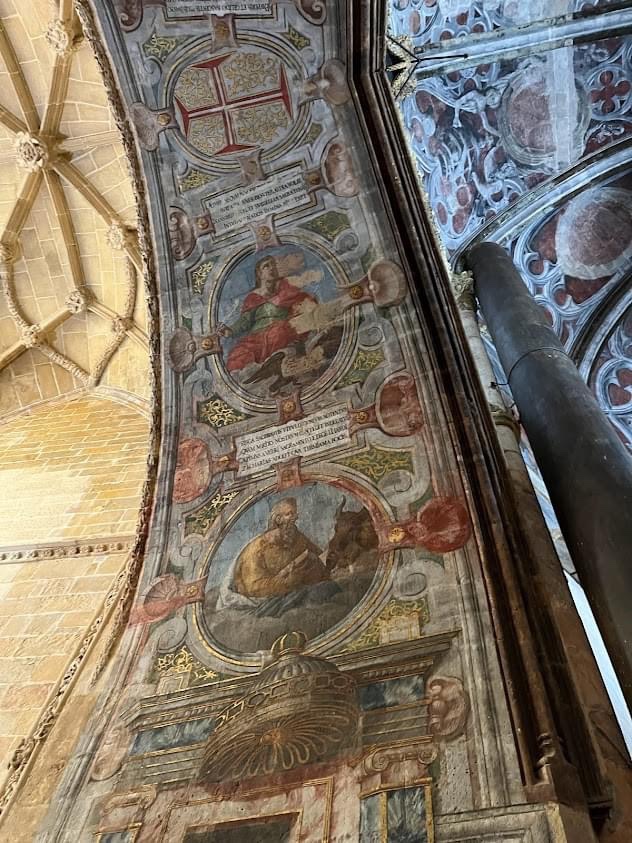
Archways, paintings, altars, and carvings overwhelm the senses. It is easy to imagine monks in silent prayer or chanting in the choir loft. We wandered around and around, under arches and golden ceilings. It was hard not to be overwhelmed by its ethereal beauty. Some historic places are oversold and do not live up to the hype. This was not one of those places. You can’t adequately put into words the visual impact of this holy place.
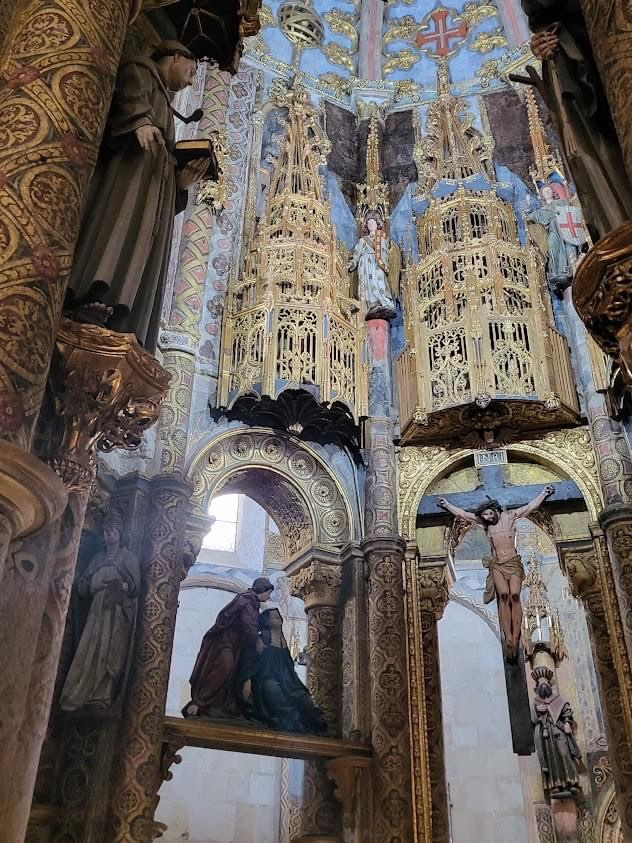
In the chapel, all decorations point toward the Christ. Mary is seen mourning Christ crucified. The apostles line the archways. Various saints occupy the alcoves. But Jesus reigns.
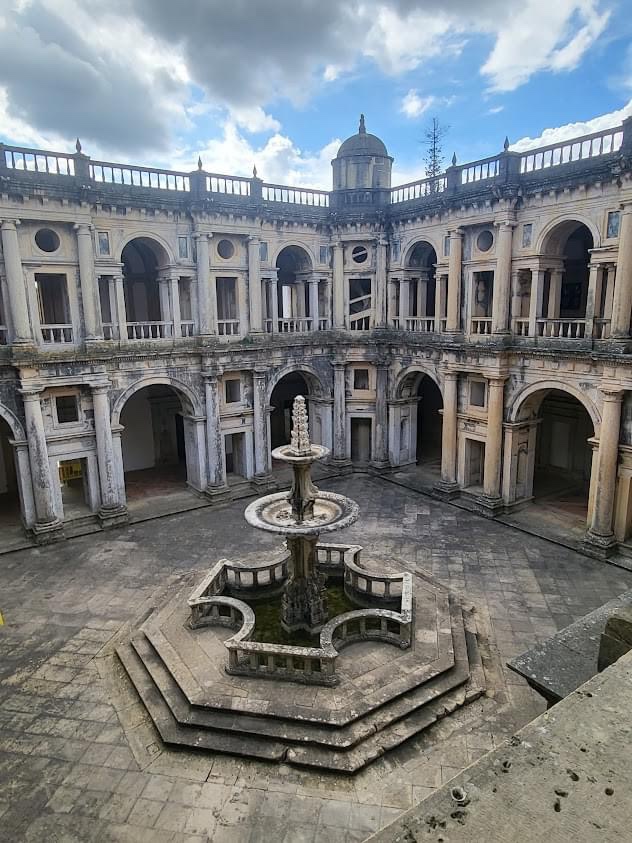
In this sanctuary in rural Portugal, the members of the Order prospered and grew as they served the Lord and the King of Portugal. Various Kings continued to expand the monastery. At its peak, it could house hundreds and support hundreds more. The entire region benefitted from the industrious Order of Christ.
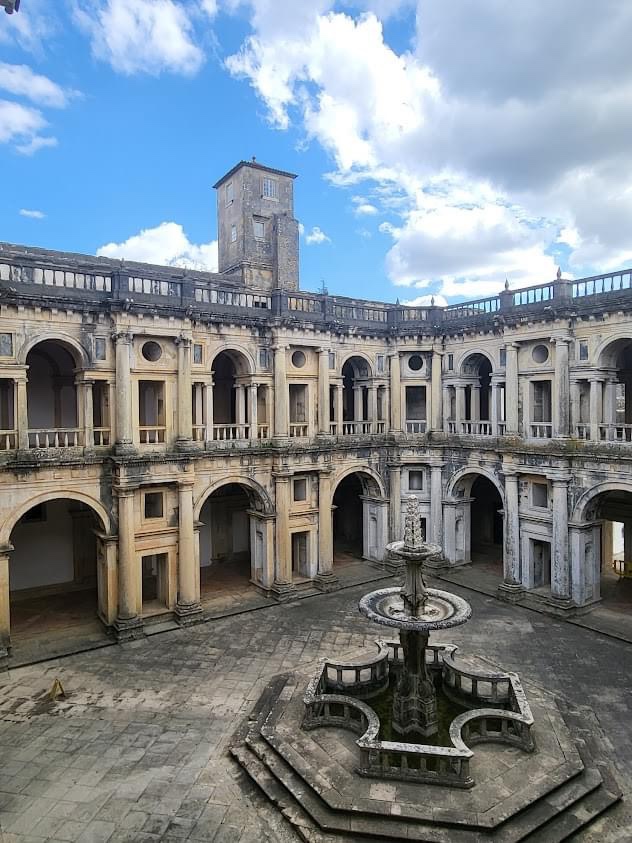
In present day, the Manualine architecture was stunning. It felt like a movie set. I half expected a knight or a monk with their bright Red Cross on a white tunic to appear in a secluded hallway. Walking into the individual cells, I was surprised. The rooms were larger than I expected. The monks here were clearly wealthy and well cared for, although they lived simply. Marble, tile, and hardwood construction was impressive. The building projects must have kept local craftsmen employed for decades.
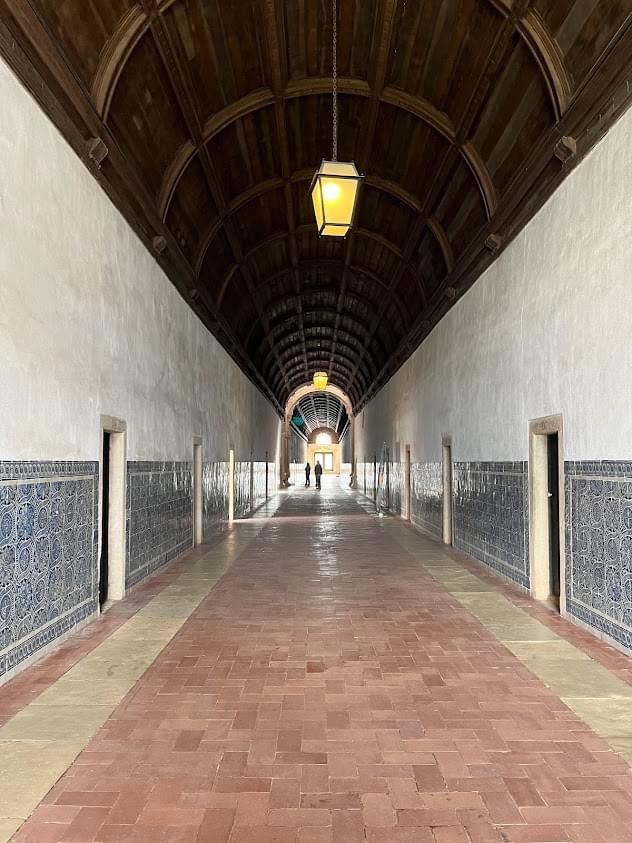
Walking through the Convent de Christo was a step back in time. The cloisters are silent reminders of a glorious history. With the dawning of the Age of Exploration, The Order of Christ became defenders of Portugal. With outposts in Belem, Lisbon, and throughout Portugal the order defended the waterways and the ships coming and going from around the world.
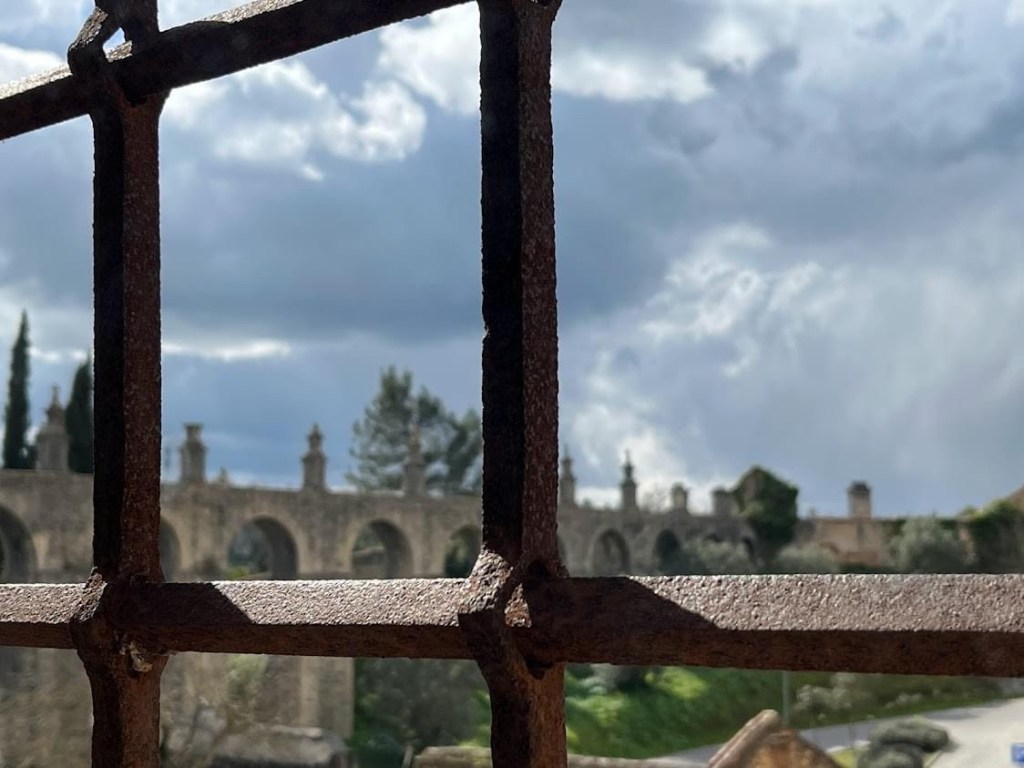
Despite the grandeur, there is simplicity within the Convent de Christo. While the altars to God are elaborate, the living quarters are beautifully simple and unassuming. You sense humility and a devotion. The hallways echo as you walk in a way that makes you attain to hear their secrets. It is peaceful in the long hallways.

In modern times, the religious order disbanded. As the government became more secular, so did the order. The buildings and grounds were too vast to be maintained without regular government and church income. Private citizens purchased the grounds. Several large areas were abandoned and turned to ruin. Today they are picturesque backdrops for photos among garden walkways.

Empty and crumbling windows look over wooded parklands and agricultural fields. I wonder what a traveler encountering the enormous buildings in the 1400’s would think. I am overwhelmed at the enormity of the convent and two thirds of the structures are in ruins. Thankfully, the structures are now protected as an important historic site and under slow renovations.
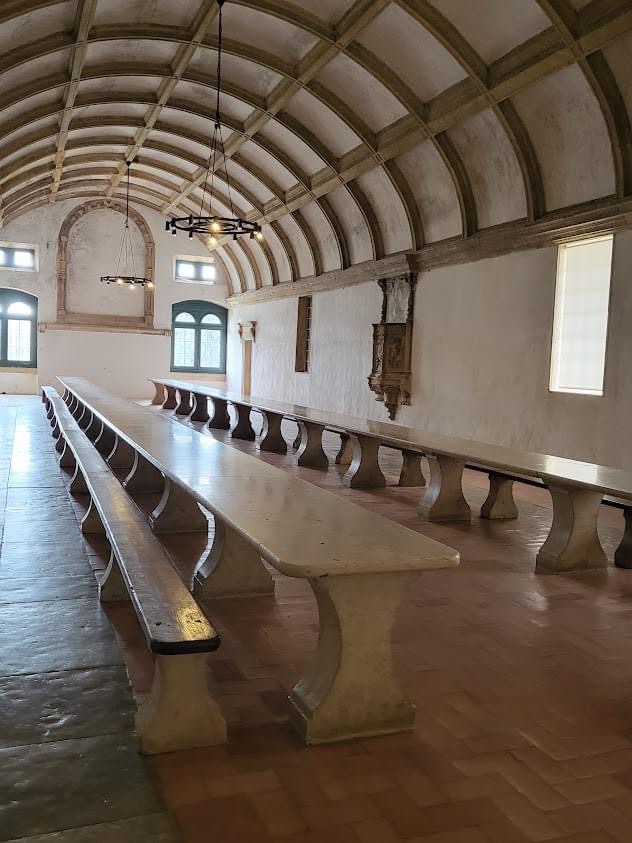
Inside the convent, areas like the large dining hall and attached kitchens have already been faithfully restored. It was not hard to imagine the grand master standing in the elevated lectern along the dining hall wall and delivering an address to the Order as they ate their dinner. (Okay, in full transparency, I stood at the lectern and gave an imaginary address. How could I not?)
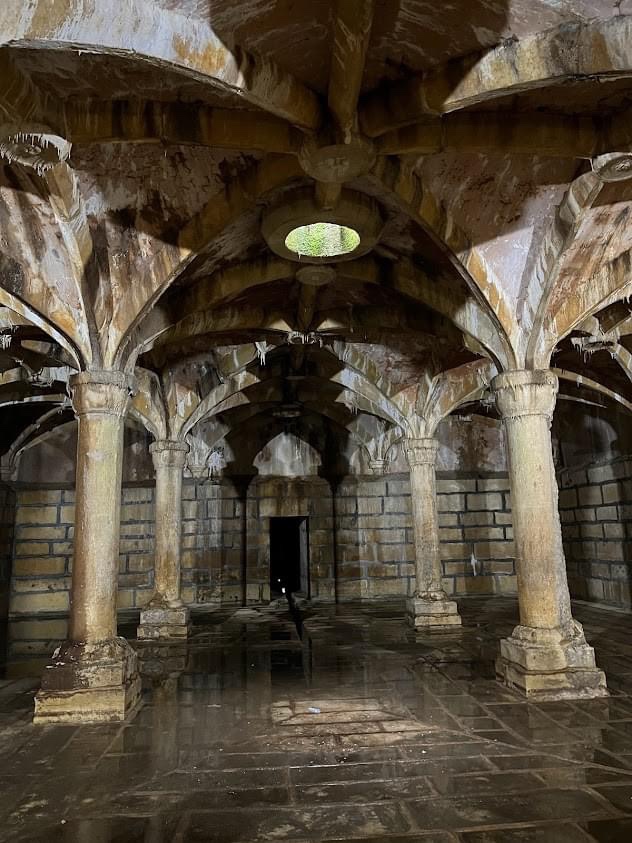
The cistern was a large and beautiful underground room, whose sole purpose was to collect rain water. It was damp and smelled of moss. I was amazed at the ingenuity. Medieval times may be referred to as the “dark ages” but people were no less brilliant. The cistern and the aqueduct were marvels of engineering that are still serving their purpose hundreds of years after construction.

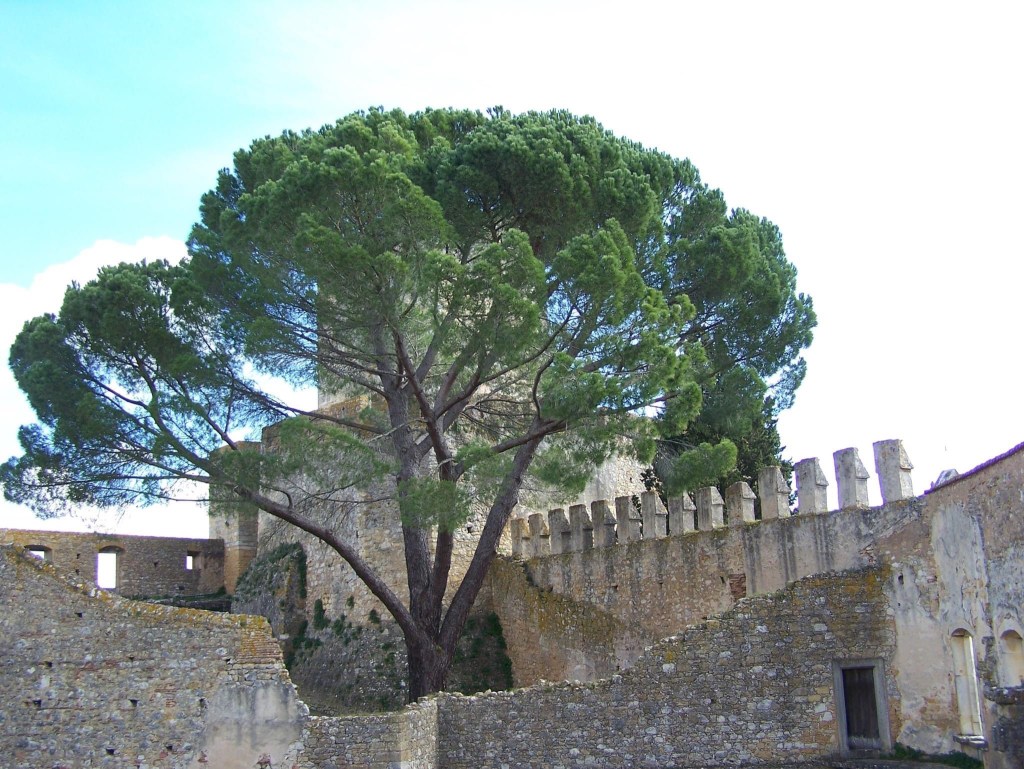
Once we had lingered at the convent as long as we could, we took a quick walk to the adjacent Castelo. The large and imposing castle was built on the side of a mountain. The location afforded beautiful views.
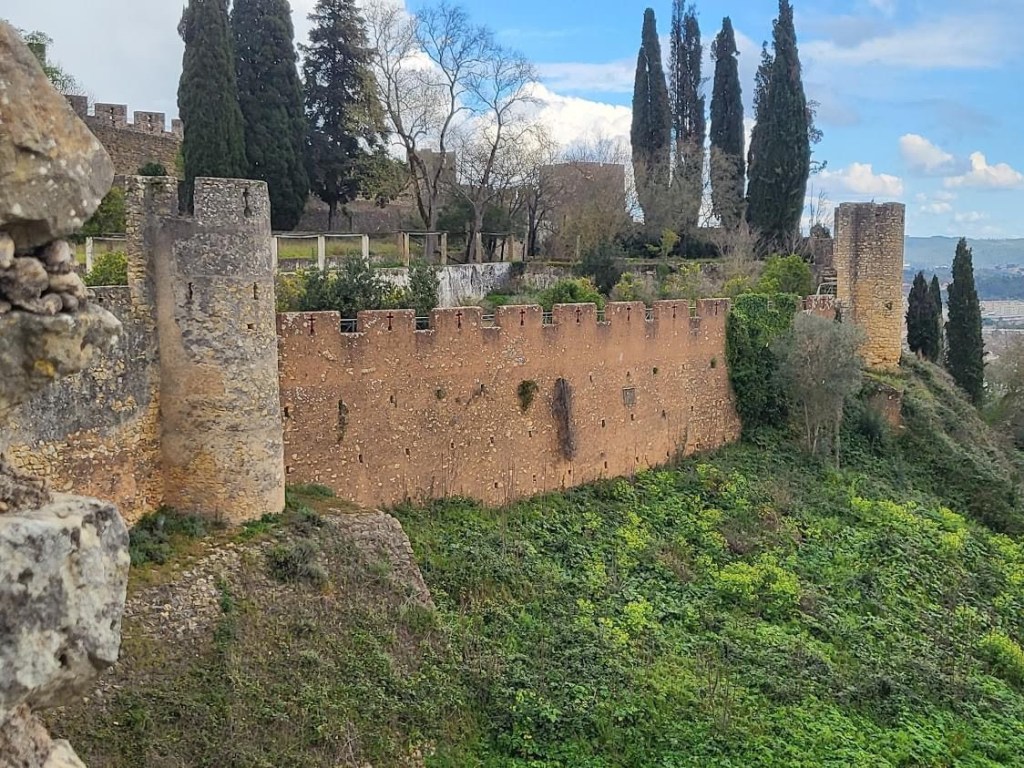
Looking down at the town from above, I realized why I was a little winded from the walk from the train station to the Convent. In my excitement at being in Tomar, I focused on the city streets and statues. I hadn’t noticed dramatic landscape surrounding the castle on the way up.
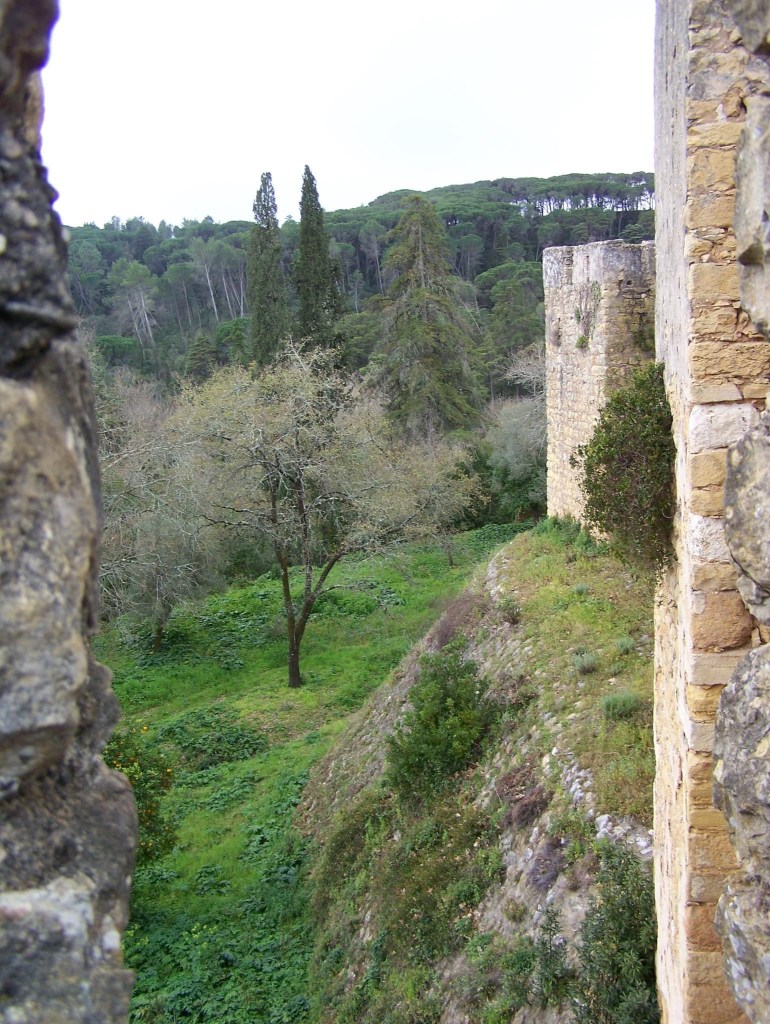
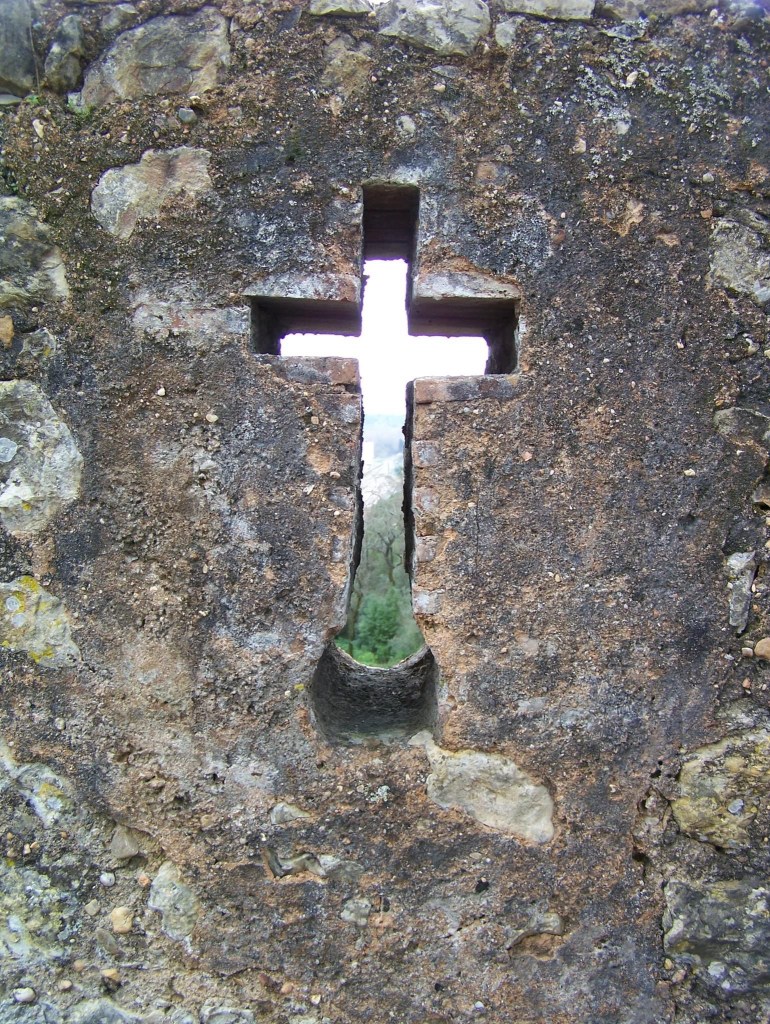
A walk along the castle walls gave us dramatic views of the fortifications and the former moat. Orange trees now grow inside the castle, the beautiful fruit always just out of reach. Outside the castle, the Convent de Christo’s parkland merges with forest. The view from along the castle walls was far reaching and beautiful. A wonderful place keep watch over the surrounding countryside. If under attack, defensive slots for watching the enemy or launching arrows were carved in the distinctive shape of the Templar cross.
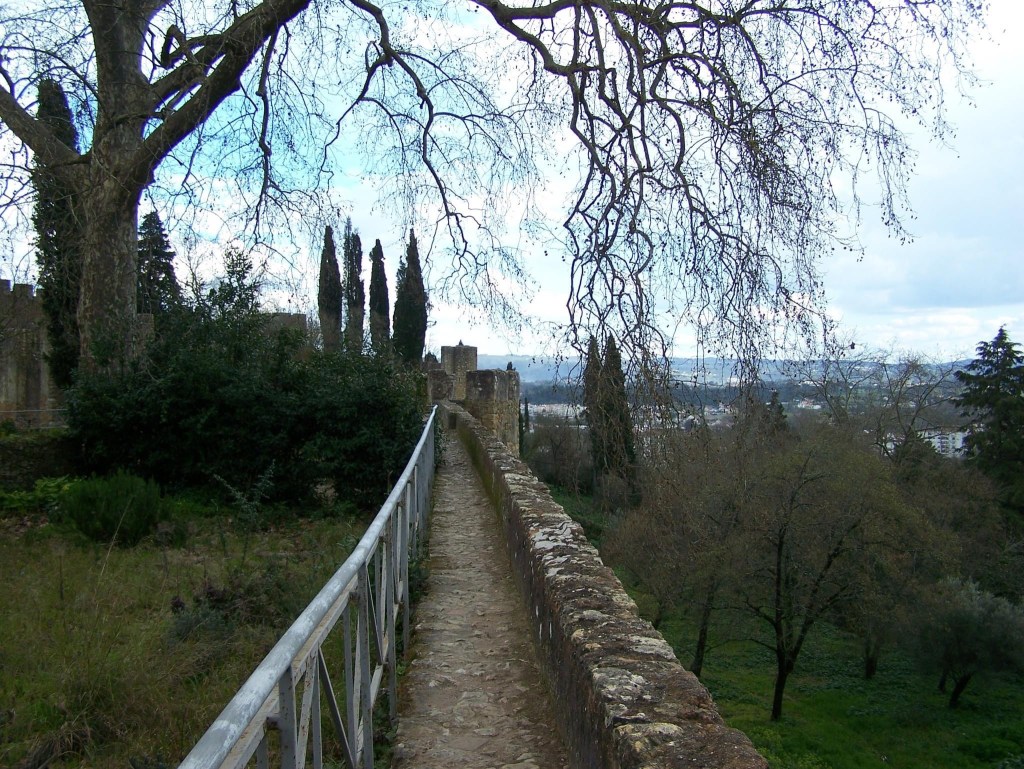
Strolling along the wall walk, I tried to imagine a time without the guard rails. I would probably fall to my own death by tripping on the stone steps. It is peaceful now, but what would hundreds of knights fending off invaders be like? The Castelo is solid and imposing. It served its protective purpose. Today it is a place where couples hold hands and tourists take photos of crumbling walls.
The Templar knights are long gone, but their legend remains. To be in this space, where reality supersedes my imagination was really special. Tomar exceeded my travel expectations. Just as the Order of Christ continued to evolve into its modern form, so has the city. Tomar proudly preserves its history and reminds us of the once great order of knights who reopened travel to the holy land and who ultimately helped expand travel worldwide with the age ofPortuguese exploration.

Perhaps that is why we were drawn to this place. Fellow travelers who dreamed of seeing the world. Individuals who lived in harmony with nature. People who lived simply and gave lavish thanks to God. Artists who shaped a breathtaking holy place. A community that looked after the poor. It is hard not idealize them. In searching for the Order of Christ, we found a community that was so much more than I imagined.
-
Every Day Is A Good Day, Some Are Just Better Than Others: Travel Goals
Not every travel experience can be exceptional. In fact, if you are really open to new experiences you are bound to have some that are not to your liking. But as my friend Tom says, “every day is a good day, some are just better than others”. This expression sums up my travel philosophy. Try everything you can, enjoy it all. Even the flops make for interesting stories.
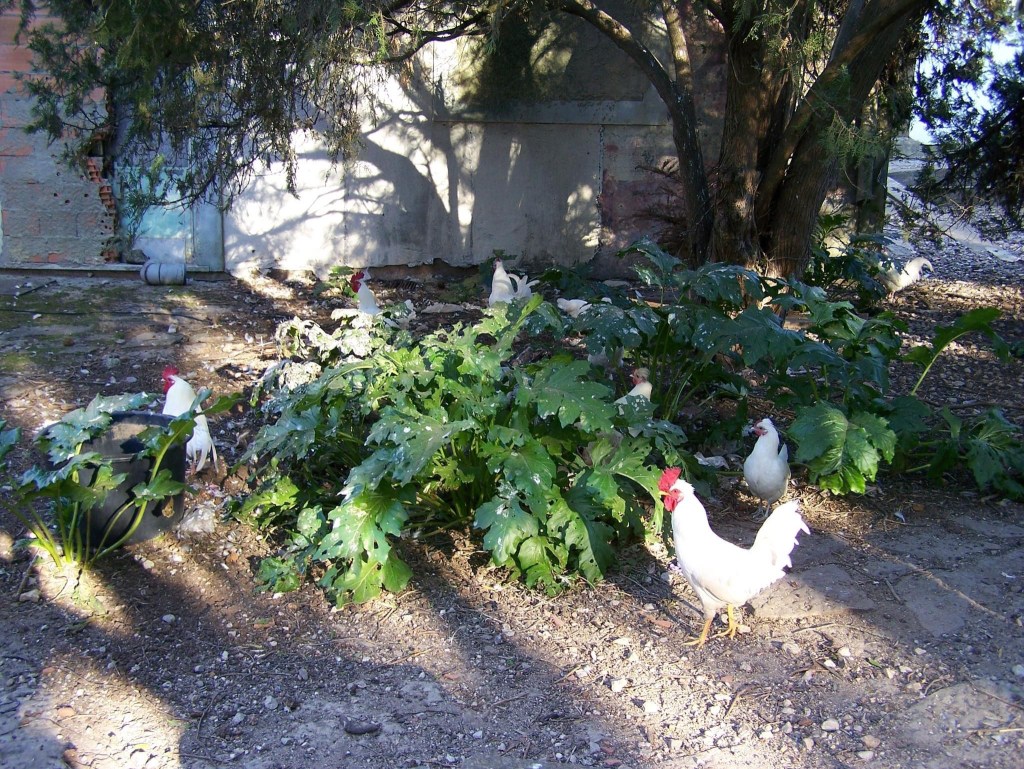
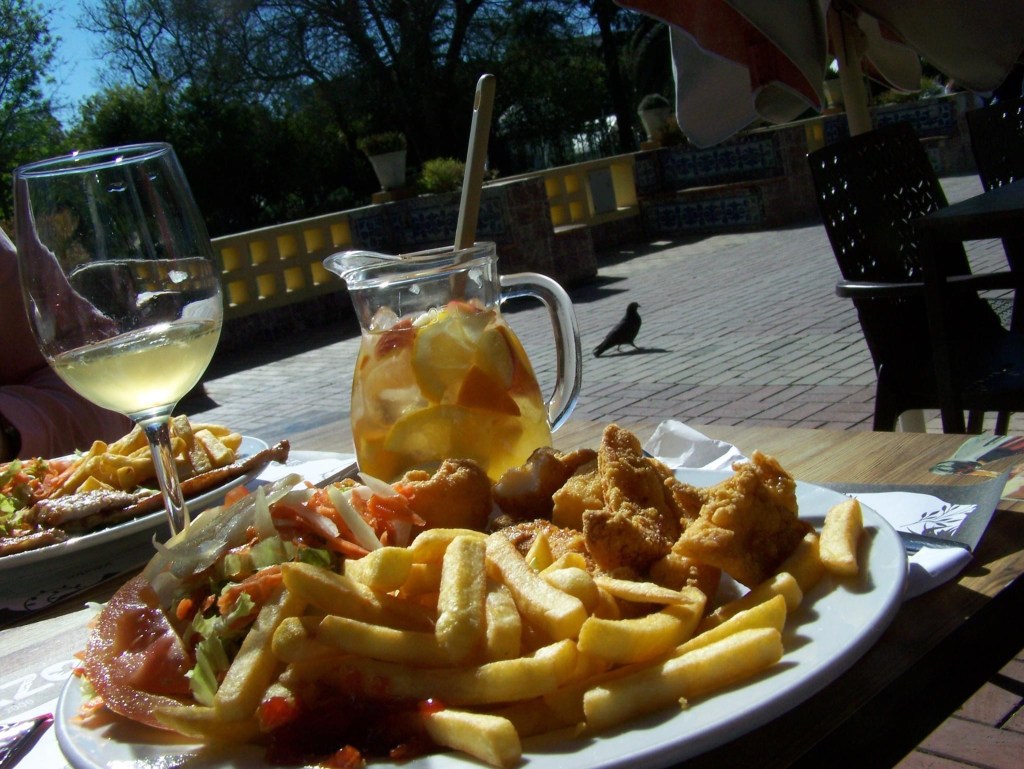
Sometimes your chefs choice tasting menu comes with surprise octopus that is so chewy you think you are eating a rubber ball. You chew and chew and chew, but it doesn’t get any easier to swallow. Sometimes the beautiful cuttlefish platter tastes exactly like the chewy octopus. Sometimes the garden in the park that you travel across Lisbon to see is really just a run down chicken yard. Occasionally the amusement ride that you had your heart set on is closed for maintenance. There may even be a train strike stranding you for a few days.
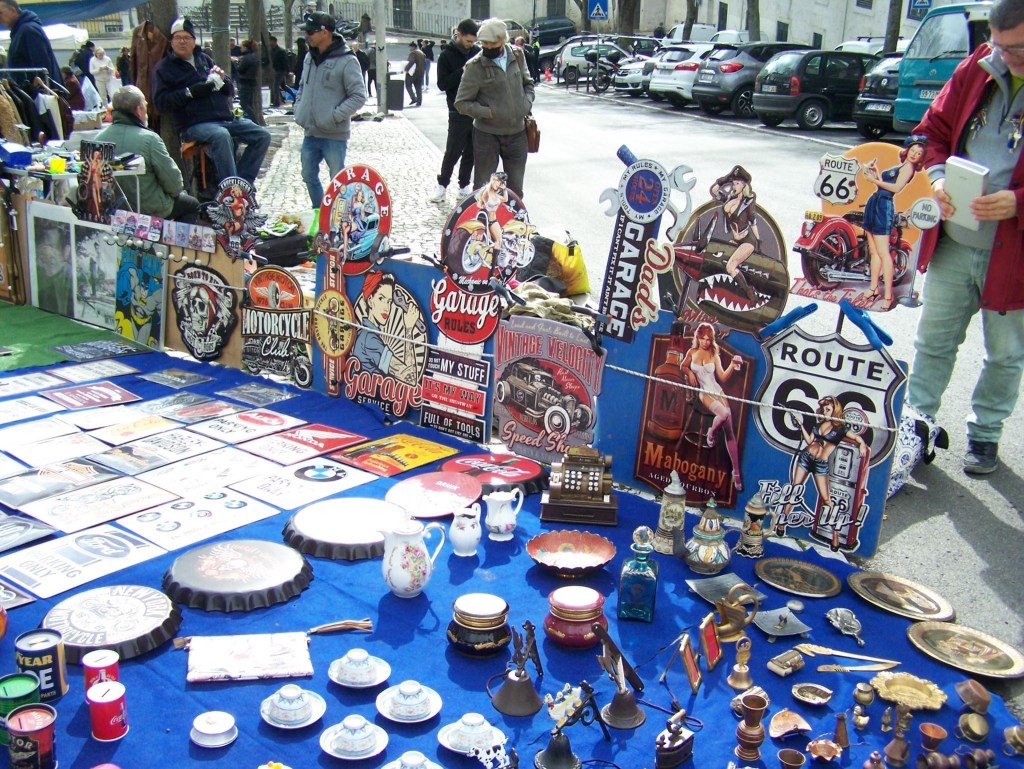
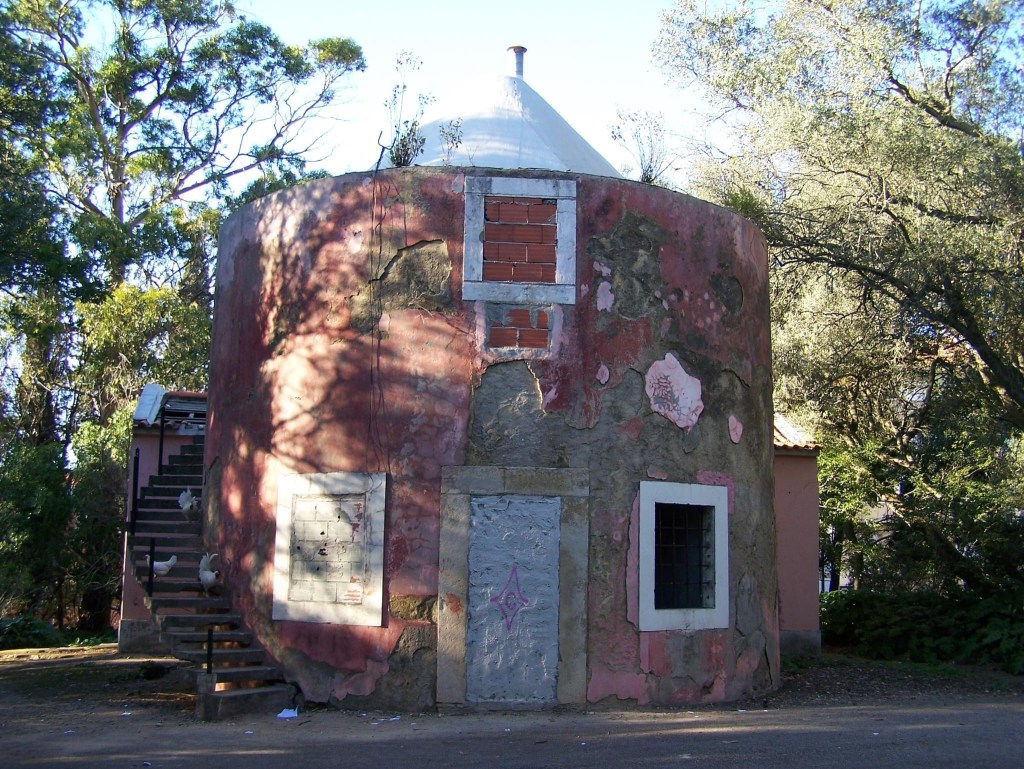
Some days you find vintage silver rings at the European market and other days you find knock off Route 66 signs that you could get at the Ozarkland ten miles from your house. Sometimes you are charmed by the ancient architecture and other days you feel like you are on an abandoned farm. Sometimes the “it” place to stay seems just like any hotel you could find in America, full of people from Buffalo or Detroit; which would be fine if you were actually in Buffalo or Detroit, but not quite the European experience you were hoping for.
Sometimes the museum you traveled halfway around the world to see is so dark that you can’t read any of the signs and can barely see the artifacts. You may never really know what you were actually looking at. Sometimes you can see the signs but can’t translate them. Sometimes the translations are humorous. I actually ordered “Little girl” in a Portuguese restaurant and “monkey gland sauce” in South Africa. I am assured that actual children or monkeys were not involved in either case.

Sometimes you walk miles out of the way because you can’t get your bearings, but then you see tin shoes that someone actually wore in the last century and you feel much better about your aching feet. Some days the electricity goes out in your accommodations while you are taking a bath. Rarely, but possible, an earthquake happens when you are in the shower in your 27th floor hotel room. You will likely not know what to do, but you’ll figure it out.

Occasionally you are surprised by things, like beautiful opium bottles and pipes. I assumed they would be as ugly as the addiction. Frequently you are reminded that people that came before were smarter than you. The day you encounter a robot waiter that serves wine which was made by an Ancient Greek, you realize how little you really know. On your travels you are likely to encounter a museum guide who is way more interested in their local history than you are (or perhaps he just doesn’t know when to stop talking) and it will be up to you to fake a polite smile until you can make a graceful exit. Sometimes you meet guides you wish would never stop talking, because they are fascinating.

Some days it rains buckets as you attempt to wander around an ancient fort. Other days it is so hot you think you may die of dehydration as you take the trail through the swamp. Sometimes the industrial side of town is converted into an exciting food and entertainment district and sometimes the industrial side of town doesn’t quite pan out. You may feel out of your element, disappointed, or anxious. Trust your instincts about safety, but push through discomfort. It will be worth it.
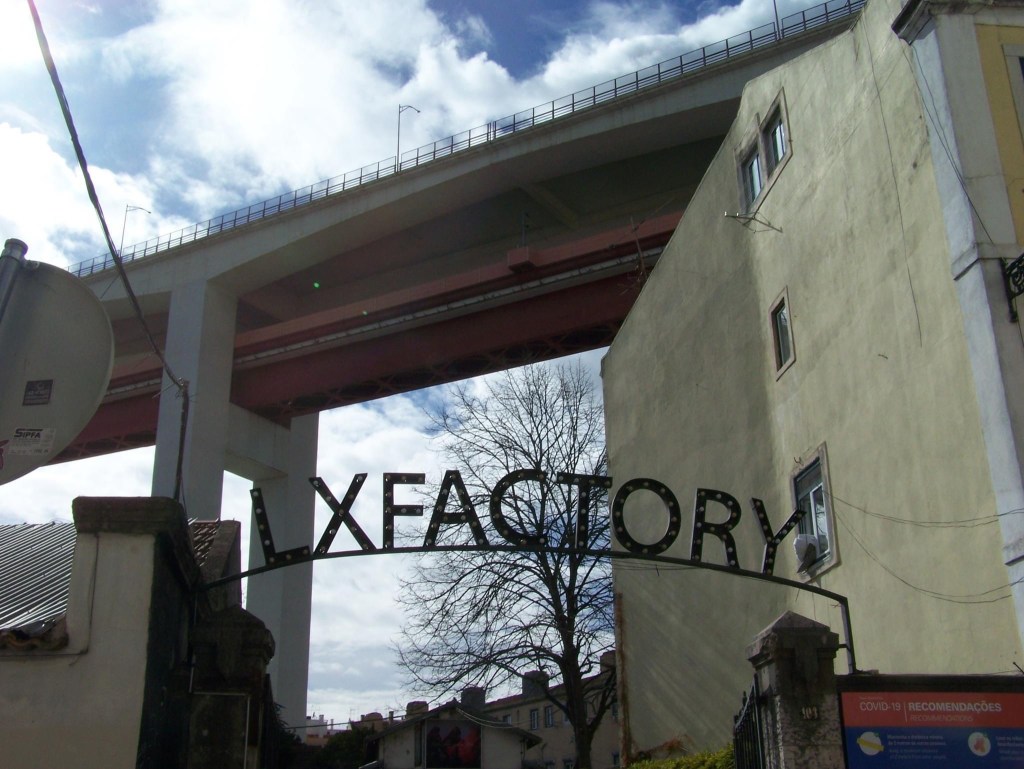
As the song says, “You won’t know if you don’t go.” Some days are better than others….but every day is a good day. A good day to experience. A good day to learn. A good day to be alive.
-
Class: Travel Goals

The Palacio Fronteira was an interesting stop on a lazy day. We are not usually guided tour fans. (We prefer a self paced visit.) So with some hesitation, we joined the guided group and entered the house of a man who was raised to nobility due his service to the king on the battlefield.
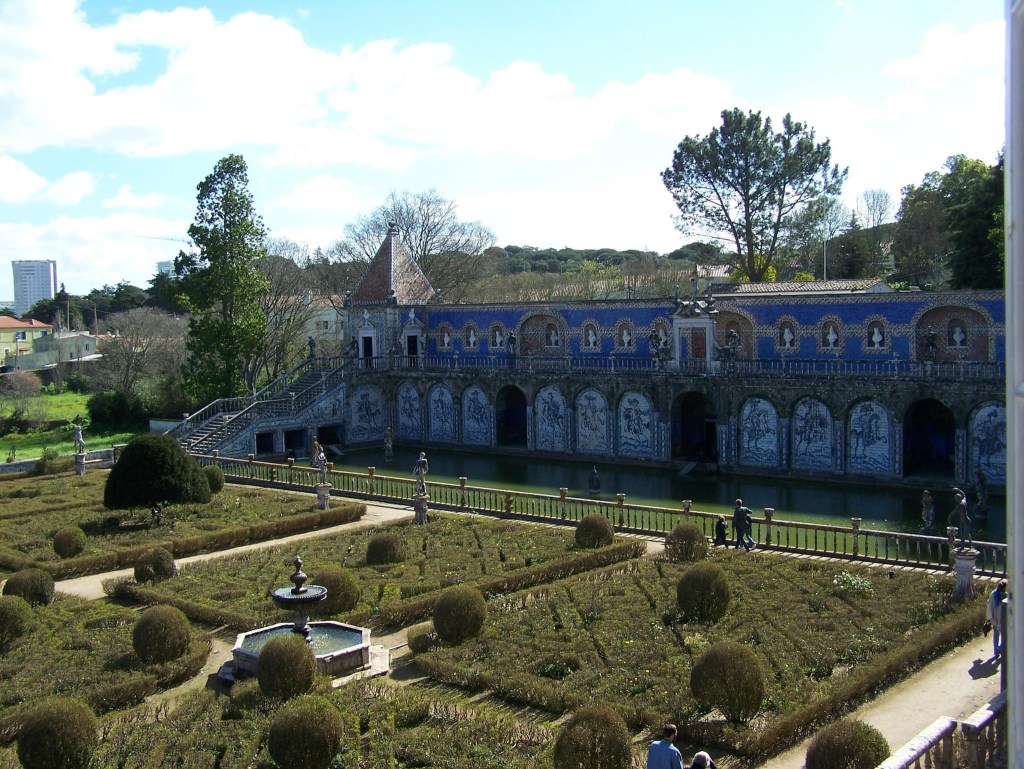
The Marquis of Fronteira clearly had a common sense of humor and did not take life too seriously. Throughout the house and grounds there are hidden messages that make fun of the nobility and upper classes. Apparently you can take the boy out of the country, but you can’t take the country out of the boy.

The house was beautiful, but full of unusual and whimsical elements. The formal dining room was tiled as expected of a wealthy aristocrat, but instead of usual formal tile work, the Marquis employed less skilled artisans to do the work in a more populist style. The room is decorated in a 360 degree panorama depicting the battle that made him a marquis. Intermingled in the scenes of battle are jokes. A man riding a horse in no pants. A man running away from the battle, another relieving himself. Apparently the Marquis thought it was hilarious, and so did we. We amused ourselves by walking around the room and trying to find the hidden jests.
Even the gardens were not immune to the Marquis’s keen wit. Mermen and mermaids engage in overtly amorous embrace. Greek gods and goddesses line the terraces. Kings of Portugal have busts along the garden pavilion, (except for the Spanish kings of Portugal who are noticeably absent). The Marquis clearly did not approve of Spanish rule.
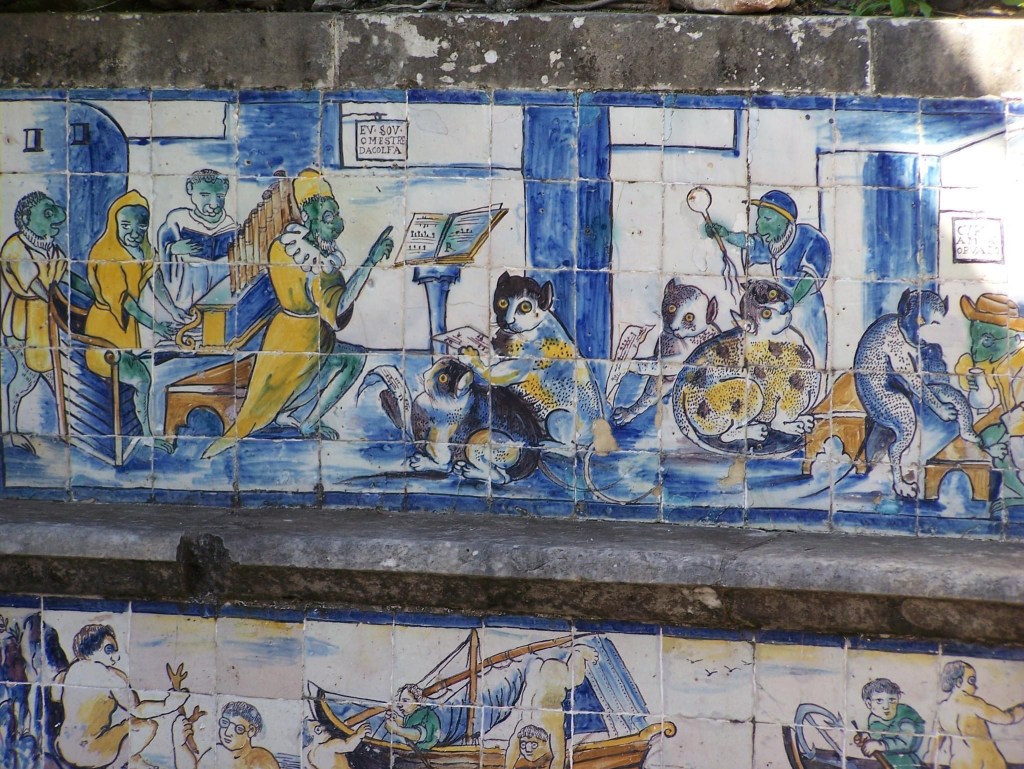
Most interesting were the animal tiles. Dressed as nobility, baboons and other animals engaged in pastimes of the wealthy. The Marquis clearly was conveying a message of what he thought about the behavior of the idle rich. Monkeys dressed as clergy. Fat cats in elaborate robes. A baboon giving himself a smoke enema (apparently a supposed cure for constipation). The satirical tiles were never ending in the expansive gardens.

The Marquis apparently knew what a lot of people forget even now. Class is something you must cultivate. Wealth is not a free pass for bad behavior. Entitled behavior is often humorous. Life is too short to take to seriously. Pretension is over rated. And finally, when you help save the life of the King, you can get away with most anything.
-
Down by the Riverside: Travel Goals
In the evening, the air is different. A breeze moves in and the sailboats head upriver. In the approaching sunset, a faint glow emanates from behind the clouds. The light shifts subtly, and a chill descends on the riverside.
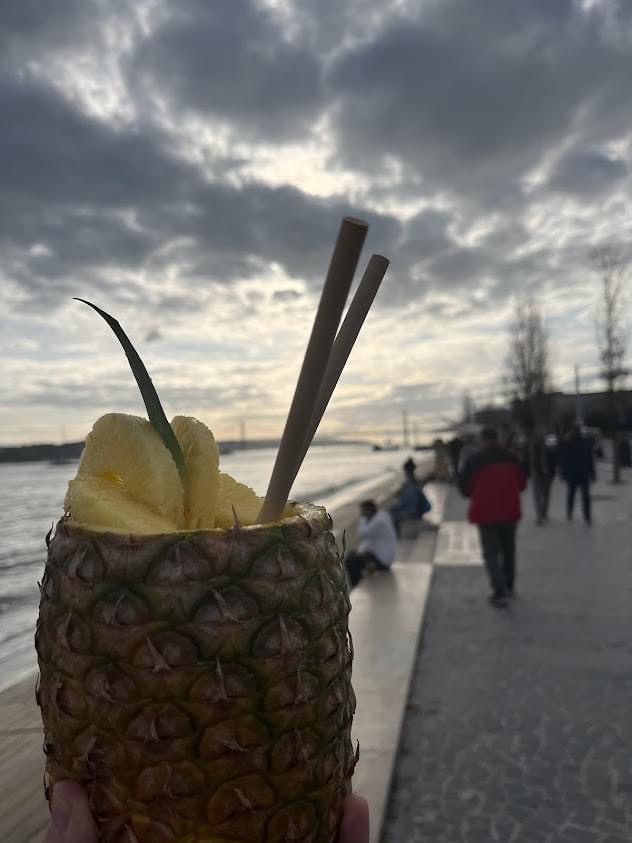
It is calm by the river. People laugh and talk. Lovers hold hands as they watch the water lap onto the shore. It is joyful by the river. Musicians play to an accepting audience and vendors hawk their “sexy pineapples” to tourists and locals seeking to escape the everyday.
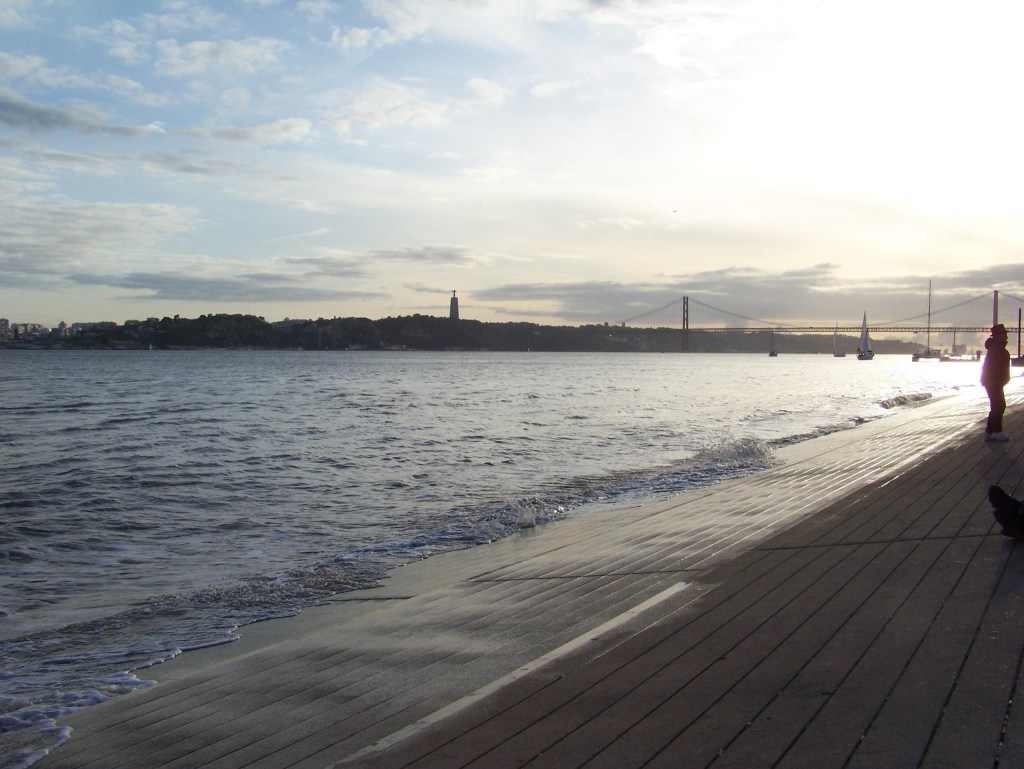
The river at sunset sings a timeless song of waves and ripples. Dolphins jump unexpectedly from the deep water where cruise ships usually dock. The river is full of surprise and promise.
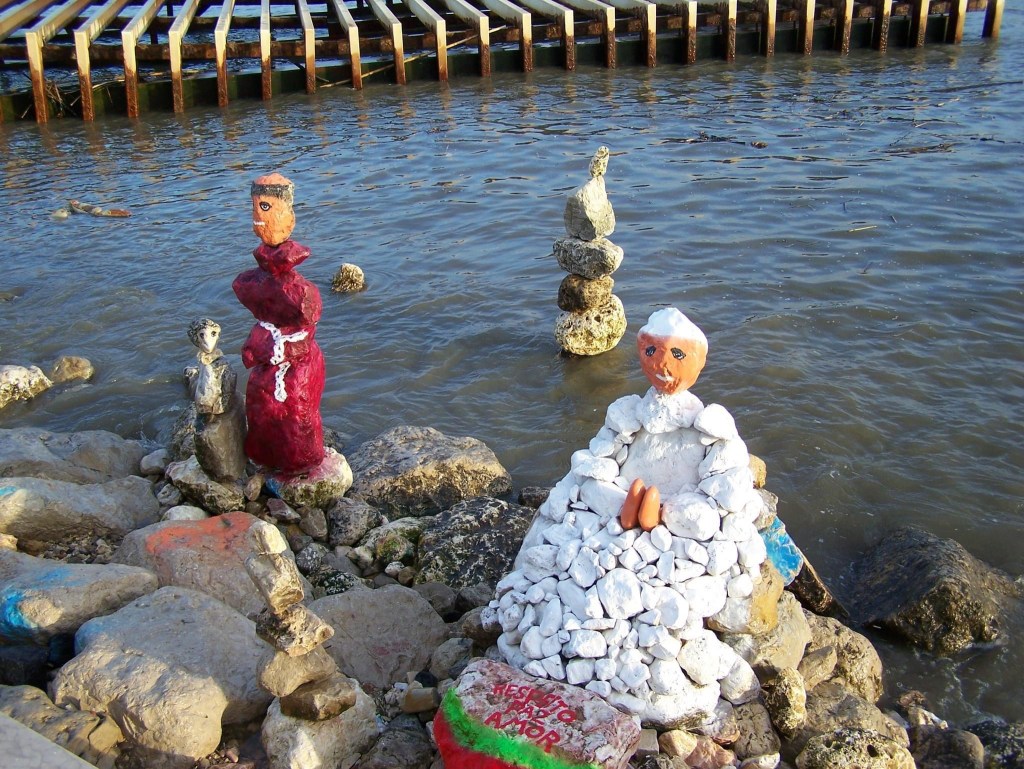
Walking along the river is an evening ritual. People gather on the shoreline. Children run along the steps leading into the water. Beggars make statues of sand and rocks, hoping for a few coins for their efforts. Tarps are thrown under the bridge as makeshift shelters to prepare as night descends. It seems that everyone is drawn to the river.

The ferry boats make circles, dropping passengers along the riverside. Headed somewhere, they rush up the gangways and out of sight. They are in a hurry. It those of us lingering here by the river are immune to the frantic pace. We revel in the sunset and the sound of the water. We are bewitched in the magic hour between light and darkness. To stroll, to sit, to dream in the evening breeze along the river, it is timeless.

-
Sea and Sanctuary: Travel Goals
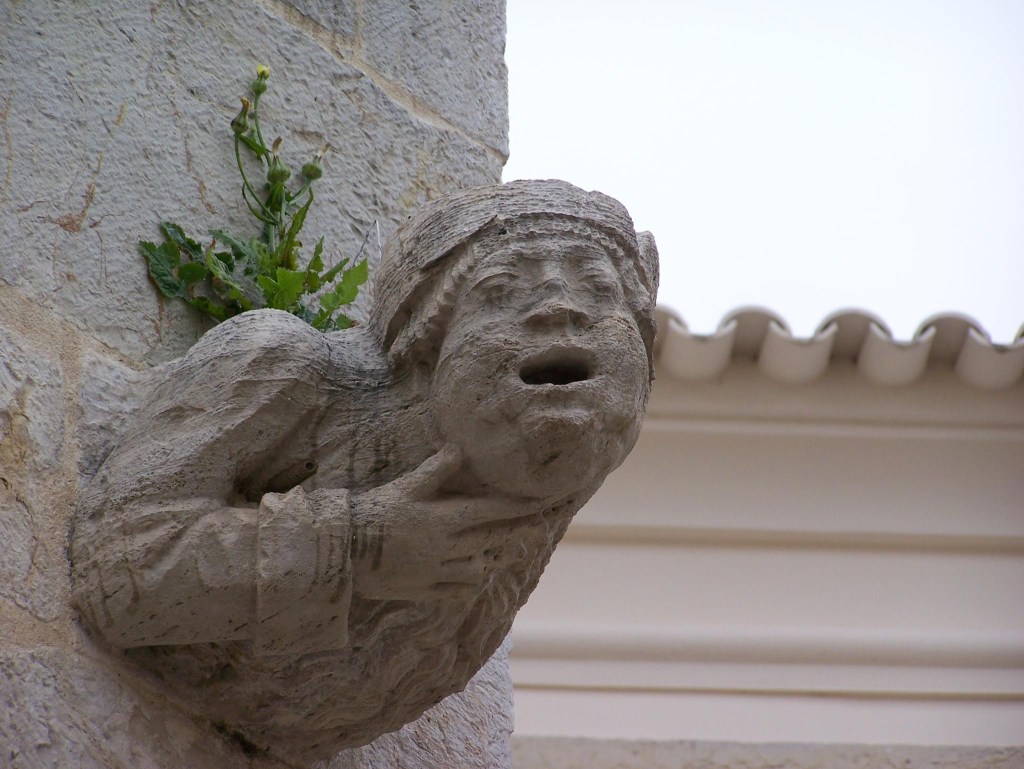
Setúbal is an ancient seaside town. Nearby is Troia beach, where the Greeks may have landed so very long ago. It is certain that the Romans were here. Archeological remains show human settlement thousands of years prior to the birth of Christ. Throughout the centuries the sea has been a source of sustenance and a siren calling men to adventure.
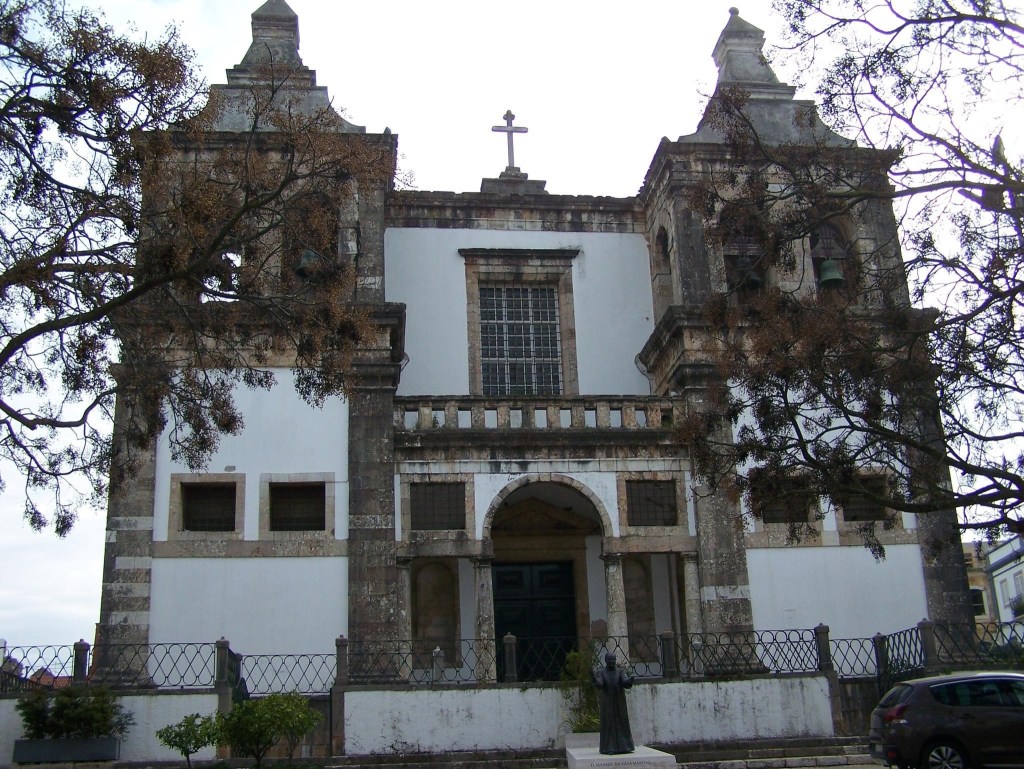
Our adventure started when we left the train station. We crossed the park and immediately needed to negotiate the winding streets. We found a lovely church, but it was not the convent we were looking for. There were colorful swags hanging above streets of patterned tile. Charming did not begin to describe Setúbal, which took the sting out of getting lost more than once in the tangle of alleys and intersections.

Walking the streets was like something out of a movie. Pedestrian only alleys led to quaint shops in a central shopping district (yes, I bought a dress). While there were people out and about, I felt like I had the city to myself. The pace was slow and calming. We visited a simple convent founded by a King’s nanny. It was also quiet and peaceful. Simple sanctuary for those wishing to dedicate their life to prayer. We sat in the church and listened to soothing music. Manualine architecture’s clean lines provided a simple yet beautiful backdrop.

At the docks we attempted to walk along the water’s edge. Walls and disappearing sidewalks made that more than challenging. However, intrepid travelers that we are, we snuck through a fish market and a parking lot and reached the docks. The dolphin boats weren’t running in the off season, so we watched the fishing boats instead. There is something so peaceful about palm trees and waves. Boats came and went while we discussed lunch options. The dish of choice was choco frito, fried cuttle fish. I wasn’t sure and my husband does not like seafood, so we reluctantly left the docks and went back into the heart of Setúbal.

Tired of walking, we agree to visit a McDonalds. The day was slipping away and we had more to do before we caught the train. Besides being considerably cheaper, at Portuguese McDonalds, you can get fresh baked pastries and a variety of healthy selections. Our order was delivered to our clean table on a patio with views of the fountains in the park. If only Americans could understand the subtle differences and realize that quality of life sometimes matters more that speed and greed. But that is a topic for another day.
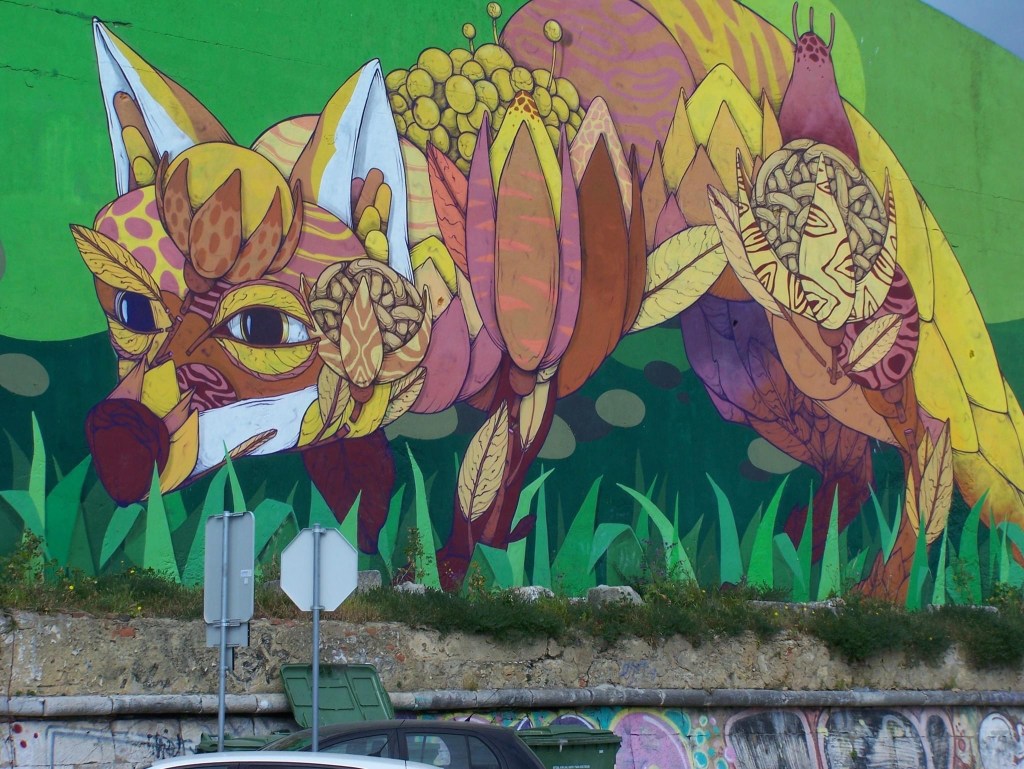
Setúbal is a whimsical town. Leaping plastic dolphins lined the sidewalk by the docks. A giant fox sneaking through the grass decorated the side of a building. A giant cat, prowled the rooftops of a hotel near the town center. Fountains and statues graced every park. Civic pride was evident. It was contagious.

The history of this seaside settlement was preserved in a small free museum. From prehistoric villages to the industrial era, the sea has been a constant source of provision. Farming also dominated life on the peninsula. I learned alot about the uses of sea grass and goats as we perused the small museum. Most exciting was a Roman era, horse drawn winnowing machine. Genius engineering always reminds me that we are no smarter than our ancestors. How much knowledge has been lost over the centuries?
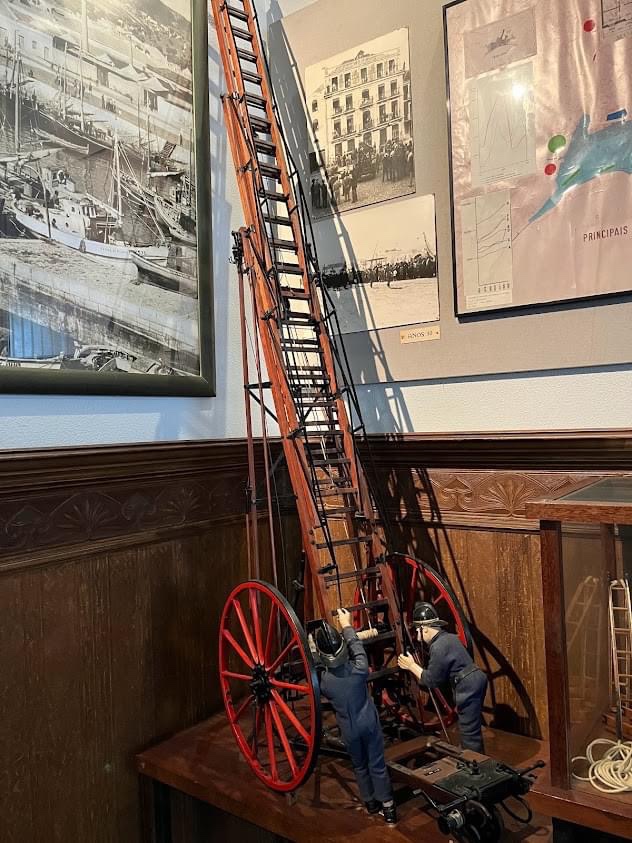
Having had a full day of seaside, shopping, and history we make our way back to the train. I needed to use a ladies room so we decided to make a quick stop in the seamen’s home, a small museum in what was once an on shore refuge for sailors. After paying a few coins, I was twice disappointed. They did not have a restroom and the small room contained fairly modern shops instruments. While I am sure they would have been delightful for nautical enthusiasts, I was at a loss. They did not have anything I wanted to see and no bathroom. A failed stop. We politely looked around and made ready to leave, but the kind lady at the counter told us she would take us upstairs.
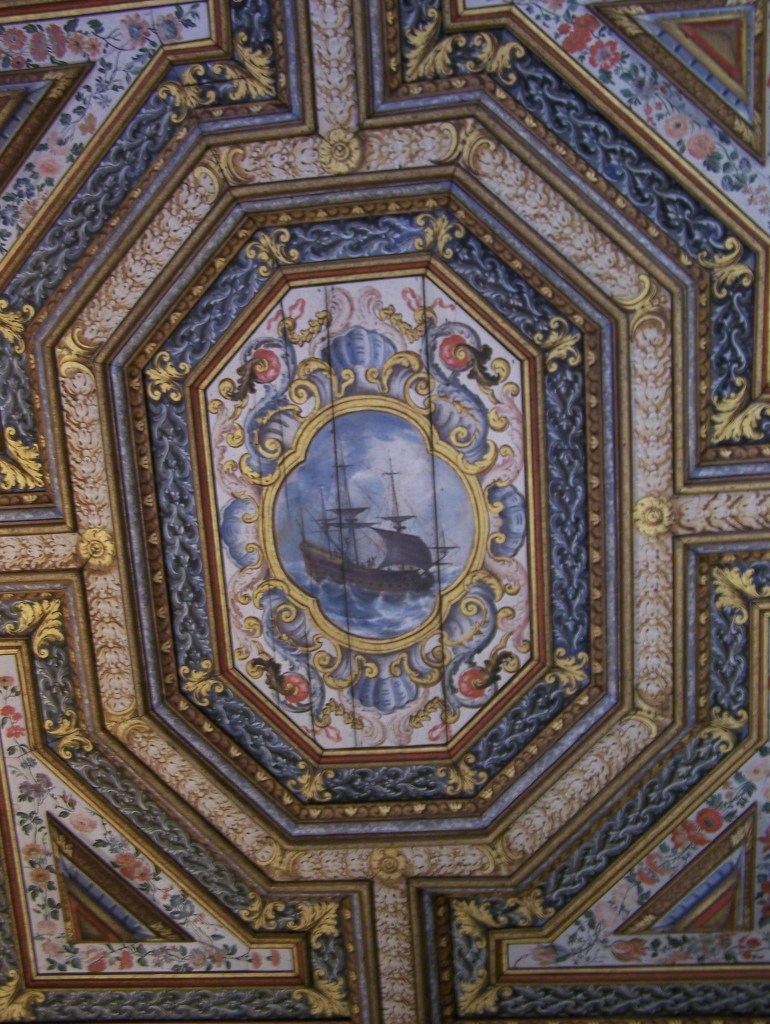
I raised my eyebrows at my husband and he shrugged that we should follow. She took us outside and up a winding stairwell that followed the wall of the courtyard and used an ancient key to open a very large wooden door. We stepped into an ancient manor house turned into an elaborate chapel for sailors. The ceiling was painted to draw attention to a single sailing ship. The altar was gilt and glittering. My jaw dropped. I was not expecting this sanctuary.

Unexpected beauty above an unassuming building. A sanctuary from the sea and the harshness of life. We slowed down and appreciated our surroundings. The woman at the door smiled a knowing smile and told us to take our time. I was immediately drawn to a wooden statue of St. Paul. He looked so determined and ordinary. Battered but not broken. A sailor who had much to do before he could rest. I stared at that statue for a long while, pondering the ups and downs of a life of faith. Wondering how we get so focused on tasks and our beliefs that we forget the big picture. Reflecting on how we all need a sanctuary, a place of refuge to remember the power of grace. Realizing that we have to lay down our fears and make ourselves vulnerable in order to experience and do God’s work of love. I was not expecting this encounter or these deep thoughts. But I was glad for the moments of sanctuary and sea. Sometimes surprise encounters are the most meaningful. Setúbal certainly exceeded my expectations.
-
Subscribe
Subscribed
Already have a WordPress.com account? Log in now.
 Prisoner of Hopes